HAI Hacken Token Airdrop Scam Alert: Real Details & Security Breach Update
 Mar, 25 2026
There is a lot of noise circulating right now about the HAI Token being involved in a new airdrop event. If you are reading this because you saw a pop-up or a message promising free HAI tokens, stop and listen closely. The reality on the ground is starkly different from the hype. Hacken has officially warned that no legitimate airdrops are currently planned. Any message claiming otherwise is likely a scam designed to steal your funds. This situation is critical because it follows a major security breach that shook the entire project.
Understanding what is actually happening with the HAI token requires looking past the clickbait. The token, which powers the Hacken ecosystem, recently suffered a catastrophic security incident. This wasn't just a minor glitch; it involved a private key leak that allowed attackers to mint millions of tokens. Before you consider interacting with any airdrop claim, you need to understand the current state of the network, the risks involved, and the actual utility of the token.
The Truth About HAI Airdrop Claims
When you search for "Hacken Token airdrop," you might find social media posts or emails claiming you are eligible for rewards. These are almost certainly fraudulent. Hacken's team has issued direct warnings to the community. They stated clearly that any posts claiming an airdrop is happening should be considered scams. This warning came specifically in response to the security breach that occurred recently.
Scammers often use legitimate news to cover their tracks. Since the breach involved minting unauthorized tokens, bad actors are using that confusion to trick users. They might send you a link to a fake website asking for your wallet connection. Once you connect, they can drain your assets. The safest move is to assume every unsolicited message about an HAI airdrop is a lie until proven otherwise by an official announcement on Hacken's verified channels.
Why are they targeting this token? Because the recent price volatility and news coverage make people curious. Curiosity is dangerous in crypto. If an offer sounds too good to be true, especially during a time of crisis for a project, it usually is. Stick to official communication channels like the Hacken website or their verified Twitter account. Do not trust third-party aggregators or random Telegram groups.
What Happened During the Security Breach
To understand why you should be cautious, you need to know what happened to the HAI token infrastructure. The incident involved a private key leak. A private key is like the master password to a bank vault. In this case, the key belonged to an account with minting privileges on both the Ethereum and Binance Smart Chain networks.
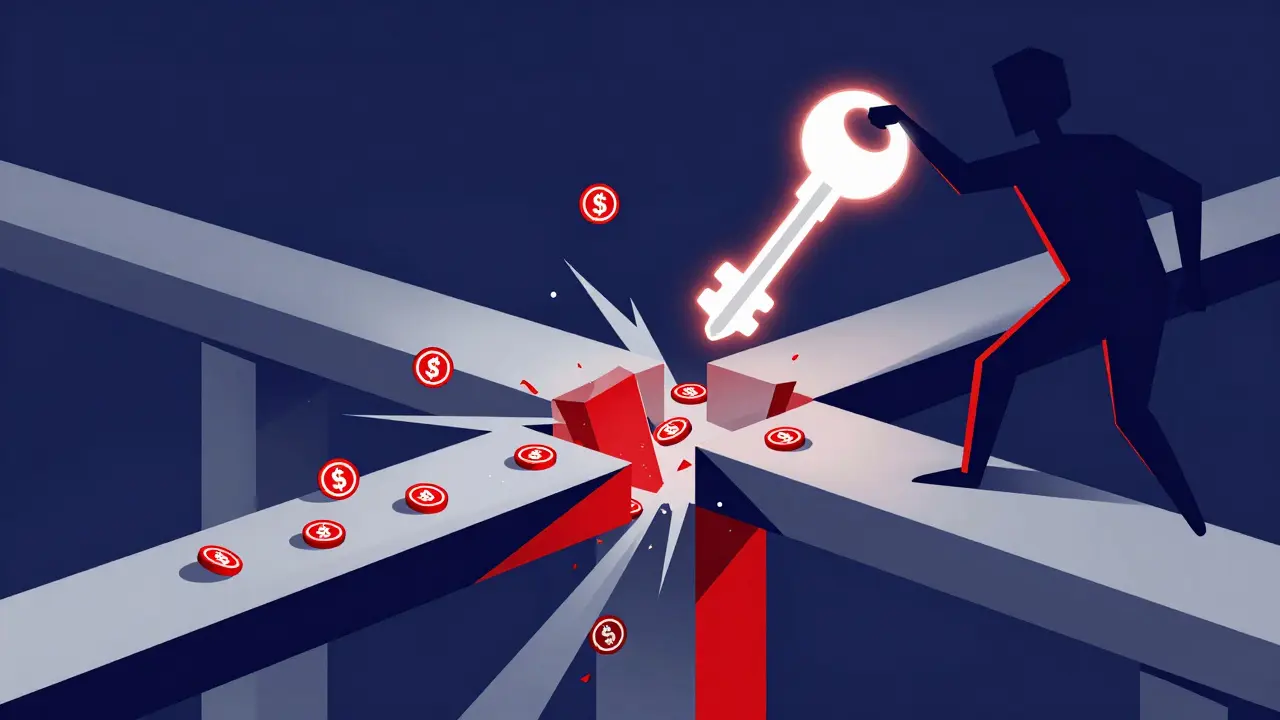
A malicious actor gained access to this key. They used it to mint 900 million HAI tokens. Minting means creating new tokens out of thin air without permission. The attacker then dumped these tokens on the market. This massive influx of supply caused the price to plummet. The token value crashed from around $0.015 to $0.000056. That is a 99% drop in value almost overnight.
The attack happened during architectural changes to Hacken's blockchain bridge. A bridge allows tokens to move between different networks, like Ethereum and BSC. Ironically, the breach occurred while they were implementing measures designed to prevent exactly this kind of risk. The attacker swapped approximately $253,000 worth of HAI tokens through the BNB ecosystem before Hacken could stop them.
Hacken responded quickly. They revoked the compromised minter account from the token contract. This stopped the attacker from creating more tokens. However, the damage was already done. The financial loss was at least $250,000 in stolen tokens. More importantly, the trust in the project took a hit. This is why the company is so vocal about stopping fake airdrop scams-they need to protect their users from further exploitation.
Understanding HAI Token Utility and Ecosystem
Despite the recent turmoil, the HAI token itself serves specific functions within the Hacken ecosystem. It is not just a speculative asset. The token operates on both Ethereum and Binance Smart Chain networks. This dual-chain presence allows users to interact with the platform regardless of which blockchain they prefer.
One of the main uses is staking. Users can lock up their HAI tokens to earn rewards or gain access to premium features. This helps secure the network and gives holders a reason to keep their tokens rather than selling them immediately. Another key feature is governance through hDAO. This stands for Hacken Decentralized Autonomous Organization. Token holders can vote on important decisions regarding the future of the platform.
There is also the Trust Army. This is a community of users who perform Web3 data collection tasks. By participating, they contribute to the security and transparency of the ecosystem. In return, they can earn HAI tokens. This creates a loop where the community helps secure the network while being rewarded for their efforts.
Access to exclusive cybersecurity products is another utility. Hacken is primarily a cybersecurity auditing platform. They audit smart contracts to find vulnerabilities before hackers do. Holding HAI tokens can give you priority access to these audits or discounts on their services. This utility framework is what differentiates Hacken from many other crypto projects that rely solely on hype.
Current Market Status and Price Action
As of March 2026, the market status of HAI reflects the aftermath of the breach. The token is trading at approximately $0.00026. While this is higher than the absolute bottom of $0.000056, it is still a fraction of its pre-breach value. The recovery has been slow. Investors are hesitant to buy in until they see concrete proof that the security issues are fully resolved.
Liquidity on decentralized exchanges hosting HAI tokens played a role in limiting the attacker's gains. Even though 900 million tokens were minted, the lack of deep liquidity meant the attacker couldn't cash out everything easily. This is a common feature in crypto markets; without buyers, tokens are worthless. However, this does not undo the damage to the project's reputation.
Bridge transactions have been paused indefinitely. This is a necessary safety measure. Hacken needs to ensure no other vulnerabilities exist before allowing tokens to move between chains again. This pause affects users who want to transfer their HAI from Ethereum to BSC or vice versa. You should expect delays or inability to bridge until the company announces the restoration of these services.
| Attribute | Value |
|---|---|
| Current Price | ~$0.00026 |
| Pre-Breach Price | ~$0.015 |
| Networks | Ethereum, BSC |
| Bridge Status | Paused |
| Airdrop Status | None (Scam Warning) |
How to Spot Fake Airdrop Scams
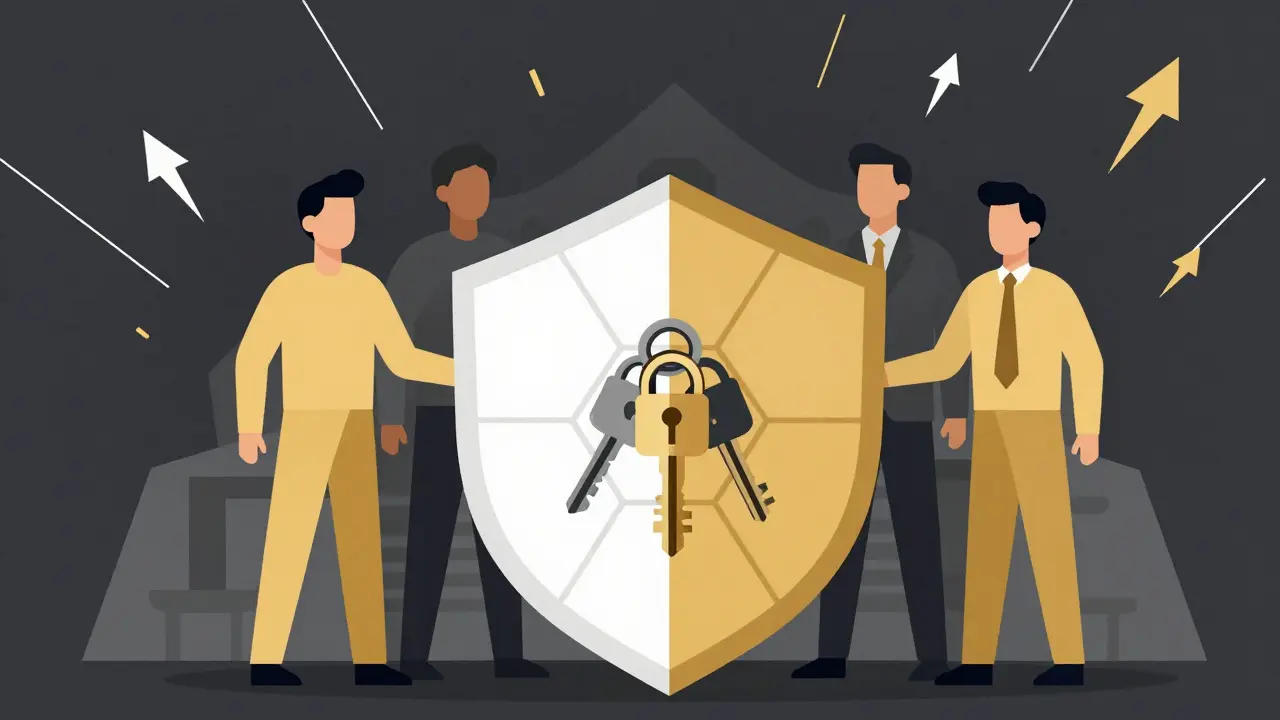
Given the current climate, knowing how to identify a scam is vital. First, check the URL. Scammers often use domains that look almost identical to the real one. For example, they might use "hacken-airdrop.com" instead of the official site. Look for slight misspellings or extra hyphens.
Second, never connect your wallet to a site you did not find through an official link. If you click a link in an email or DM, verify it first. Type the official website address into your browser manually. If the site asks you to sign a transaction that you don't understand, do not do it. Legitimate airdrops usually do not require you to sign complex smart contract interactions to claim rewards.
Third, look for community consensus. If everyone is talking about an airdrop but the official Twitter account is silent, it is fake. Hacken has been transparent about their security issues. They would announce a real airdrop through verified channels. Do not rely on screenshots or videos shared by random users. These can be faked easily.
Finally, understand that legitimate projects rarely ask for your private key or seed phrase. If a site asks for your 12 or 24-word recovery phrase, it is a scam. There is no scenario where you need to share this information to claim tokens. Protecting your seed phrase is the most important rule in crypto security.
Rebuilding Trust and Future Outlook
Hacken is now in the process of rebuilding trust. The company emphasized that their core infrastructure remained separate from the HAI infrastructure. This means their auditing services and main operations were not compromised beyond the private key leak. This is a crucial distinction. The business itself is still functional, even if the token suffered.
They have regained operational control of the token contract. However, the financial damage remains. The stolen tokens are likely gone forever. The focus now is on implementing enhanced security protocols. This might involve multi-signature wallets, where multiple people must approve a transaction, or third-party audits of their own bridge infrastructure.
Future developments will likely prioritize security over speed. Investors will watch closely to see if Hacken can restore the bridge functionality without further incidents. The roadmap for the next few months will be critical. If they can demonstrate improved security, the token price may stabilize. If not, the loss of confidence could be permanent.
For users holding HAI, the advice is to stay informed but cautious. Do not panic sell unless you need the liquidity. However, do not buy more based on rumors of a quick recovery. The market is volatile, especially after a breach. Wait for official updates regarding the bridge restoration and security audits before making significant moves.
Is there a real Hacken HAI airdrop happening?
No, there is no official HAI airdrop currently planned. Hacken has explicitly warned that any posts claiming an airdrop is happening should be considered scams. This warning is in place due to recent security breaches.
What caused the HAI token price crash?
The crash was caused by a security breach where a private key was leaked. An attacker minted 900 million unauthorized tokens and dumped them on the market, causing the price to drop by 99%.
Can I still bridge HAI tokens between networks?
No, bridge transactions have been paused indefinitely following the security breach. Hacken has suspended this functionality to prevent further risks while they improve security measures.
How can I verify if an airdrop message is fake?
Check the official Hacken website and verified social media accounts. If they are not announcing it, it is fake. Never click links in unsolicited messages or connect your wallet to unknown sites.
Is the Hacken platform still safe to use for audits?
Yes, Hacken stated that their core infrastructure remained separate from the HAI token infrastructure. Their auditing services were not compromised, but users should remain cautious about token interactions.
Staying safe in the crypto world means being skeptical. The HAI situation is a perfect example of how quickly things can go wrong. Even a security company can fall victim to a breach. The lesson here is to always verify information independently. Do not trust the hype. Check the official sources. Protect your private keys at all costs. If you follow these rules, you can navigate the market without falling victim to the scams targeting confused investors.
The HAI token story is still unfolding. Whether it recovers depends on how Hacken handles the aftermath. For now, the safest position is to wait and watch. Do not engage with airdrop claims. Keep your funds secure. And remember, in crypto, if it feels wrong, it probably is.
Sarah Terry
March 27, 2026 AT 00:40I really hope everyone stays safe during this time. It is important to verify all links before clicking anything. The team has been clear about the situation. Trusting official channels is the best way to go. We need to look out for each other in the community.
Shayne Cokerdem
March 28, 2026 AT 21:46i dont trust this stuff at all lol
Jenni Moss
March 29, 2026 AT 07:35Oh my gosh this is so scary for everyone involved. I cannot believe they lost so much money so fast. We need to be super careful with our wallets now. It feels like a nightmare for the whole project. I am just glad I did not click on those messages.
vu phung
March 30, 2026 AT 02:24Looking at the technical side the bridge architecture had a single point of failure. The private key management was clearly insufficient for a project of this scale. We need to see multi-sig implementation for all critical contracts. This incident highlights the risk of centralized admin keys. Hopefully the audit team will address these specific vectors.
Kevion Daley
March 31, 2026 AT 14:44This is classic rug pull behavior 🙄
Tammy Stevens
April 1, 2026 AT 07:01From a governance perspective this is a huge setback for the DAO. Token holders need to demand transparency on the recovery plan. The utility of the token is still there if the security is fixed. We should focus on long term value rather than panic selling. Community consensus is key to rebuilding confidence.
Anna Lee
April 2, 2026 AT 02:35I made sure to check the official twitter before doing anything. It is so easy to get tricked by fake links. Everyone should double check the url bar carefully. I hope the team can fix this mess soon. Stay safe out there friends.
Alice Clancy
April 3, 2026 AT 22:35stop falling for these scams people 😡
Dominic Taylor
April 5, 2026 AT 04:17The liquidity impact was severe due to the sudden supply inflation. Market makers likely pulled out to limit their exposure. This kind of volatility makes institutional adoption very difficult. We need deeper liquidity pools to absorb such shocks in the future. The bridge pause is a smart move to prevent further drain.
Mohammed Tahseen Shaikh
April 6, 2026 AT 23:06the whole situation smells like negligence from the top. they should have known better about key storage. this is not just bad luck but poor planning. people are losing trust because of these avoidable mistakes. i hope they face consequences for this failure
John Alde
April 7, 2026 AT 16:25When we consider the implications of the private key leak it becomes evident that the security architecture was fundamentally flawed from the outset. The attackers exploited a vulnerability that should have been mitigated during the initial audit phase. It is disheartening to see such a reputable project fall victim to such a basic error. The community deserves better than to have their funds at risk due to negligence. We must look at the long term recovery plan rather than just the immediate panic. The bridge pause is a necessary step to ensure no further exploitation occurs. Investors should remain patient and wait for official verification before moving assets. Trust is hard to rebuild but it is possible with transparent communication. The team needs to show they have learned from this incident. Security protocols must be upgraded to multi-signature requirements immediately. This is not just about the token price but about the integrity of the ecosystem. Without trust the project cannot survive in the competitive market. I hope they release a detailed post-mortem soon for everyone to review. The drop in value is significant but not insurmountable if handled correctly. We need to support the team while holding them accountable for their mistakes.
manoj kumar
April 7, 2026 AT 18:10You are overthinking the recovery part. They need to pay out first before talking about trust. Most projects just walk away after a breach like this. It is naive to expect them to fix it perfectly. The damage to the reputation is already done.
Kevin Da silva
April 8, 2026 AT 18:54Just ignore the fake links and stay safe.
Ananya Sharma
April 9, 2026 AT 17:47I am just watching from the sidelines for now. It is too risky to get involved right now. I will wait until the bridge is back online. Security is more important than making a quick profit.
Tony Phillips
April 10, 2026 AT 19:09It is tough but we have to stay positive. The team has a good track record before this. They will likely come back stronger with better security. Just take a deep breath and wait for news.
Kayla Thompson
April 10, 2026 AT 19:37Why would anyone trust them again after this. It is just a matter of time before they do it again. I am selling everything I have left. Do not listen to the hype about recovery.
Brijendra Kumar
April 11, 2026 AT 19:18This is exactly why centralized crypto is garbage. You put your money in a box and hope they do not steal it. Decentralization is the only real solution to this mess. Hacken should have been fully decentralized from day one.
Alicia Speas
April 13, 2026 AT 09:31We should all respect the work the team is doing to fix this. It is a difficult situation for everyone involved. Patience and clear communication are the best tools we have. Let us not spread panic but stay informed.
Pradip Solanki
April 14, 2026 AT 15:42the smart contract vulnerability was obvious to any dev with basic knowledge