How Cryptocurrency Powers Virtual Worlds
 Jan, 11 2026
Imagine logging into a digital world where the land you buy, the sword you wield, or the hat you wear isn’t just a pixel on a screen-it’s yours. Truly yours. No company can take it away. No server crash can erase it. That’s not science fiction anymore. It’s happening right now, powered by cryptocurrency.
Ownership That Actually Belongs to You
In traditional video games, everything you spend money on-skins, weapons, virtual real estate-is rented. The game company owns it. They can change the rules, shut down servers, or ban your account, and suddenly your $200 sword is gone. Forever. Cryptocurrency changes that. With blockchain, your digital items become non-fungible tokens (NFTs). Each one is unique, verifiable, and stored on a public ledger. When you buy a plot of land in Decentraland using MANA tokens, you’re not buying access-you’re buying ownership. That land is recorded on Ethereum as an NFT. You can sell it. Rent it. Build on it. Pass it to your kid. No middleman needed. This isn’t just about bragging rights. It’s economic freedom. In The Sandbox, players use SAND tokens to buy, build, and sell entire games they create. One user turned a simple virtual nightclub into a revenue stream, charging entry fees in SAND. That’s real income, earned in a world that doesn’t exist in the physical sense-but still has real value.Play-to-Earn: Gaming as a Job
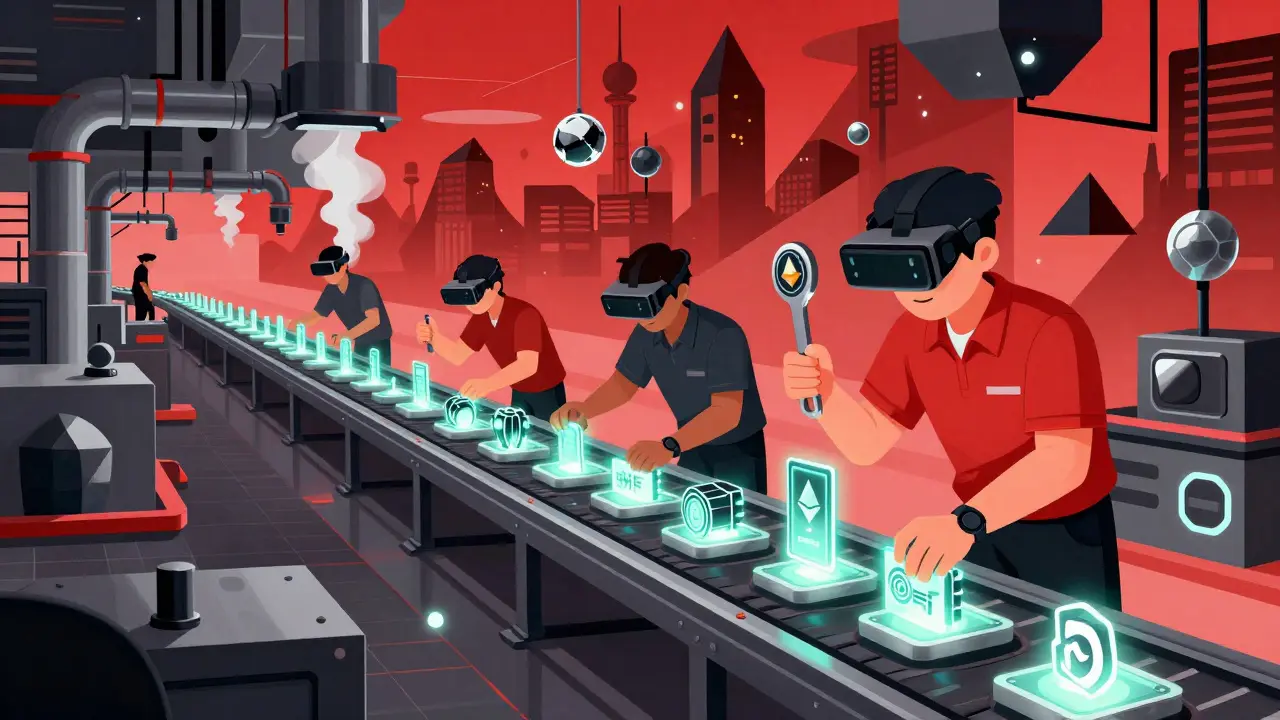
Remember when people said gaming was a waste of time? In the metaverse, that’s changing. Play-to-earn models turn gameplay into work-with pay. Axie Infinity is the clearest example. Players breed, battle, and trade digital creatures called Axies. Each Axie is an NFT. To start playing, you need at least three, which used to cost hundreds of dollars. But in countries like the Philippines, where average wages are low, players started borrowing Axies from wealthier investors (a system called “scholarships”) and kept a cut of their earnings. Some players now earn more from Axie battles than they do from their day jobs. It’s not just about winning fights. You earn AXS tokens for completing quests, participating in tournaments, or staking your tokens to help secure the network. These tokens can be traded on exchanges, converted to cash, or reinvested into better gear. Skilled players treat their game accounts like portfolios-diversifying across multiple blockchain games to reduce risk. This isn’t a side hustle. It’s a livelihood. And it’s built entirely on cryptocurrency.The Infrastructure Behind the Magic
None of this works without blockchain. But it’s not just about sending coins. The real power comes from smart contracts-self-executing code that runs automatically when conditions are met. In Decentraland, when you sell your virtual land, the contract handles the transfer of MANA tokens to your wallet and updates ownership on the blockchain. No real estate agent. No paperwork. No delays. It happens in minutes. Platforms like The Sandbox and Enjin use blockchain to make in-game items truly portable. An axe you earn in one game could, in theory, be used in another-if the developers agree. That’s interoperability. And it’s the next big leap. Right now, most virtual worlds are walled gardens. But as more projects connect through shared standards, your digital assets could travel across platforms like your email or social media profile. The underlying tech is evolving too. The Sandbox moved part of its operations to Polygon to cut transaction fees and speed things up. Staking rewards now pay out weekly. Community grants fund new creators. These aren’t gimmicks-they’re infrastructure upgrades making the economy more stable, faster, and fairer.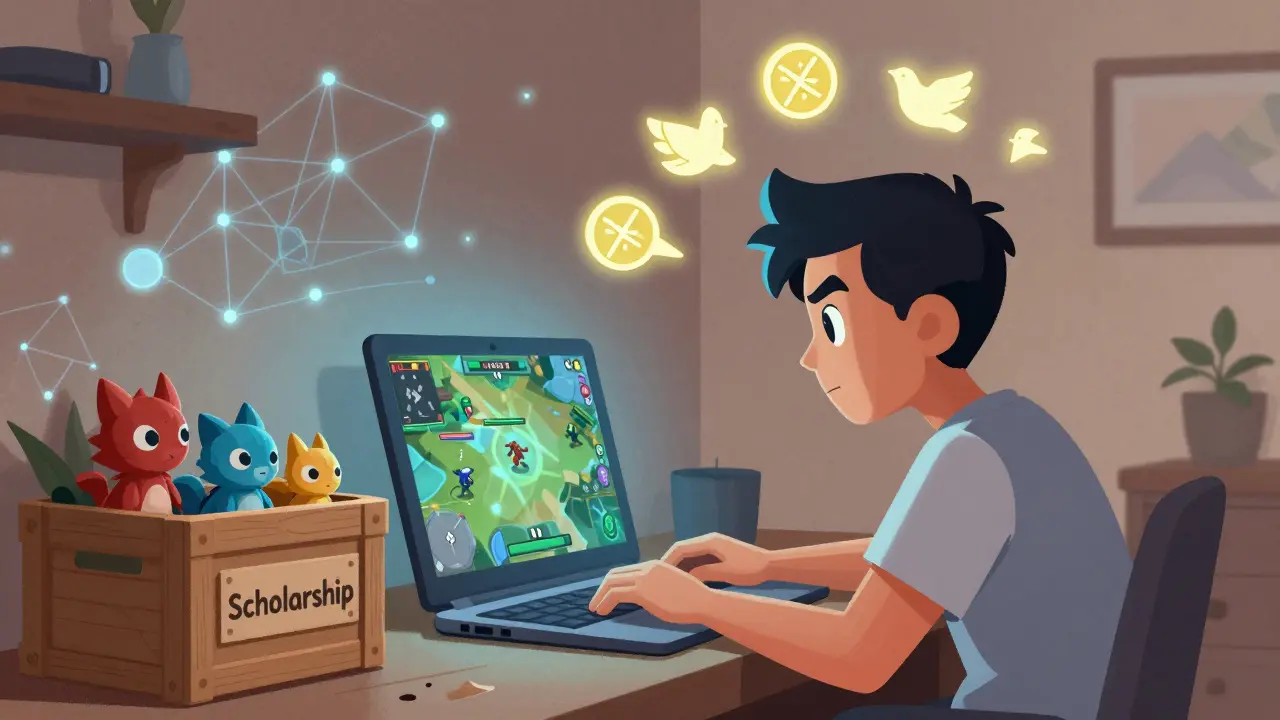
Why Big Companies Are Jumping In
You don’t need to be a crypto enthusiast to see the value. Major brands are already here. Atari partnered with The Sandbox to launch virtual arcades. Snoop Dogg bought land in Decentraland and turned it into a virtual hangout with live performances. The Walking Dead teamed up to let fans explore zombie-infested zones and collect exclusive NFTs. Why? Because players aren’t just consumers anymore-they’re stakeholders. When you own a piece of the world, you care more about its growth. You’ll promote it. You’ll build things inside it. You’ll defend it against bad actors. That’s a powerful kind of loyalty. Investors noticed. SoftBank poured $93 million into The Sandbox. Crypto funds are now allocating billions to metaverse projects. This isn’t speculation-it’s infrastructure investment. These companies aren’t betting on hype. They’re betting on a new kind of economy.What’s Next? The Metaverse as a Workplace
The next frontier? Work. Imagine being hired to design virtual storefronts in Decentraland. Or moderating events in The Sandbox. Or training AI bots in a simulated retail environment. Companies are already testing this. Some are paying employees in cryptocurrency to attend virtual meetings, collaborate in 3D spaces, or even manage digital twins of physical offices. Why? Because the metaverse offers something physical offices can’t: scalability. You can host 10,000 people in a virtual conference room without renting a stadium. You can simulate product launches, test architecture, or train employees in risk-free environments-all powered by crypto transactions. And as more people earn income in these worlds, they’ll want to spend it. That means real businesses will open virtual shops. Real brands will launch NFT collections. Real salaries will be paid in MANA or SAND. This isn’t about replacing the physical world. It’s about expanding it. Cryptocurrency is the glue holding it all together.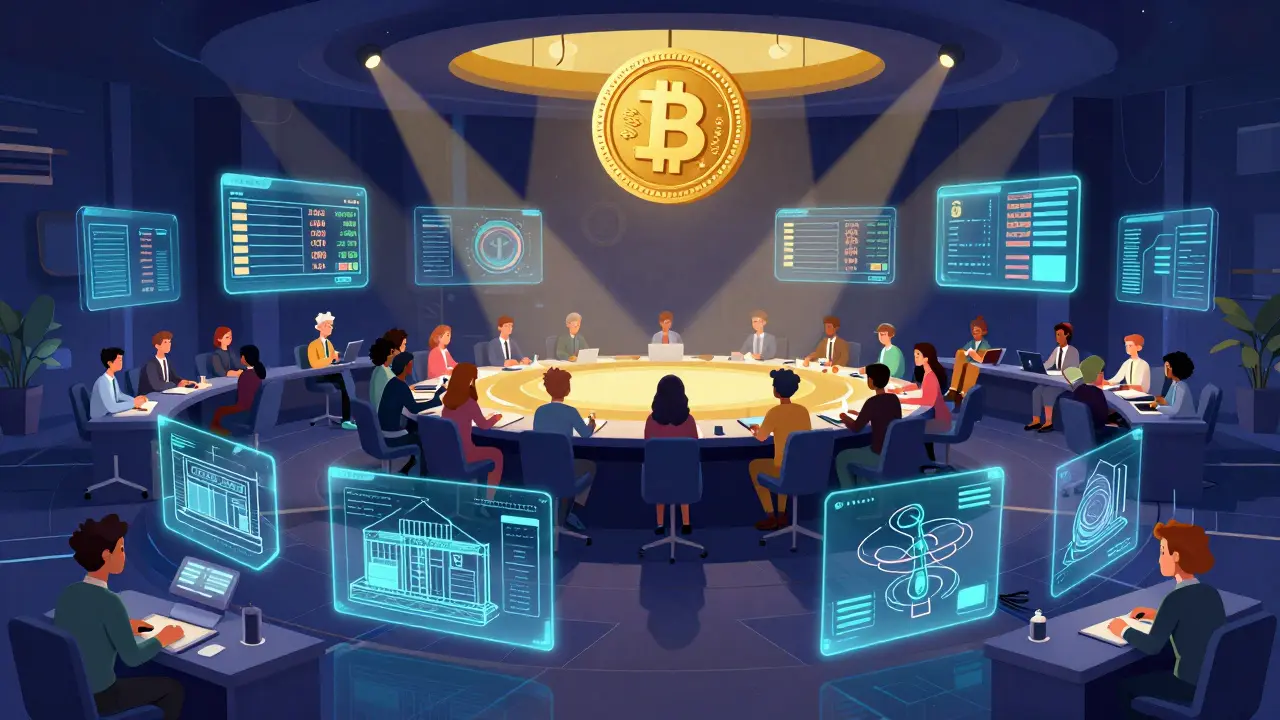
It’s Not Perfect-Yet
Let’s be clear: this system isn’t flawless. Prices for NFTs swing wildly. Scams still exist. Some games are more about speculation than fun. And not everyone can afford to buy their first Axie or plot of land. But the direction is clear. Tools are getting cheaper. Platforms are becoming easier to use. More people are learning how to earn, not just play. The biggest barrier now isn’t tech-it’s mindset. We’ve been taught that digital things have no value. But if you can sell them, trade them, and turn them into real money, then they do.Where Do You Start?
You don’t need to invest thousands to get involved. Start small. - Try free-to-play blockchain games like Alien Worlds or Star Atlas to get a feel for token rewards. - Create a crypto wallet (MetaMask is the most common) and hold a few tokens like MANA or SAND. - Visit Decentraland or The Sandbox for free. Walk around. Talk to people. See what’s being built. - Follow creators on Twitter or Discord. Many share tips on how to earn without spending. This isn’t about getting rich overnight. It’s about understanding a new kind of economy-one where your time, creativity, and attention can actually pay off.Final Thought: You’re Not Just Playing
Every time you log into a virtual world now, you’re not just gaming. You’re participating in a new economic system. One where your actions have value. Where your creativity earns. Where your ownership is real. Cryptocurrency didn’t just add a payment option to games. It rewrote the rules. And those rules now belong to you.Can you really make money from virtual worlds?
Yes. Players in games like Axie Infinity and The Sandbox earn cryptocurrency by completing tasks, winning battles, trading NFTs, or renting virtual land. In countries like the Philippines and Nigeria, some players earn more from these activities than from traditional jobs. Earnings vary, but skilled participants can make anywhere from $100 to over $2,000 per month depending on time invested and asset value.
What’s the difference between MANA and SAND?
MANA is the native token of Decentraland, used to buy virtual land, pay for services, and vote in governance. SAND is the token of The Sandbox, used to purchase assets, stake for rewards, and create games via its Game Maker tool. Both are ERC-20 tokens on Ethereum, but they power different ecosystems. MANA focuses on real estate and social spaces; SAND emphasizes user-generated content and gaming.
Do I need to buy NFTs to join virtual worlds?
No. Many platforms let you explore for free. Decentraland and The Sandbox have free modes where you can walk around, chat, and attend events without spending money. To earn or own assets, you’ll need tokens or NFTs-but you can start by playing, learning, and earning small rewards before investing.
Are virtual worlds safe from scams?
Not always. Fake land sales, phishing wallets, and rug pulls happen. Always verify contracts before buying. Use official marketplaces (like OpenSea for verified NFTs). Never share your private key. Stick to well-known platforms like Decentraland, The Sandbox, or Axie Infinity. If something looks too good to be true-like a $100 plot of land in a premium area-it probably is.
Can I use cryptocurrency from one virtual world in another?
Not directly-yet. Right now, each platform has its own token and rules. But interoperability is the next big goal. Projects are building bridges between blockchains so your NFTs can move across worlds. Enjin and Polkadot are working on standards to make this possible. In the future, your sword from one game might work in another-just like your email works across apps.
What happens if a virtual world shuts down?
If the platform shuts down, you still own your NFTs-they’re stored on the blockchain, not on the company’s server. But without the game running, you won’t be able to use them. That’s why it’s safer to invest in platforms with strong communities, active development, and backing from major partners like Atari or Snoop Dogg. The more people using it, the less likely it is to disappear.
Allen Dometita
January 11, 2026 AT 12:36Bro this is wild. I bought a virtual hat for $5 and sold it for $50 last week. No cap. Just playing around and now I’m making beer money. 🤑
Brittany Slick
January 12, 2026 AT 13:54I just walked into Decentraland for the first time and cried a little. Not because it was beautiful-but because for once, something digital felt like it truly belonged to me. Like I finally had a home that couldn’t be taken. ❤️
greg greg
January 14, 2026 AT 05:04Let’s be real here-the entire premise hinges on the assumption that blockchain is a stable, scalable, and universally adopted infrastructure, which it isn’t. Ethereum’s gas fees alone make microtransactions absurd, and Layer 2 solutions like Polygon are just temporary bandaids. Plus, NFTs are just JPEGs with metadata attached, and unless you’re storing the actual asset off-chain-which most aren’t-you’re trusting a centralized server to keep your ‘ownership’ alive. The whole thing is a house of cards built on speculative hype and poor UX. And don’t even get me started on how 90% of these games are just pay-to-win gambling with extra steps.
LeeAnn Herker
January 14, 2026 AT 21:58Oh wow, so now we’re all supposed to believe that buying a cartoon sword with crypto is ‘economic freedom’? 🤡 Next they’ll tell us Bitcoin is money and not just a glorified tulip bulb. The government is watching this. They’re already drafting laws to shut it down. You think your ‘NFT land’ is safe? It’s just a digital receipt waiting for a federal raid. And don’t even mention Axie-I heard the Philippines kids are being exploited by American investors who own their Axies. Classic colonialism with blockchain glitter.
Sherry Giles
January 15, 2026 AT 19:01Canada doesn’t need this. We have nice public parks and free healthcare. Why are we letting Silicon Valley scammers convince us to trade our time for pixels? This is the American dream sold as a scam. I’m not buying into your digital colonialism.
Andy Schichter
January 16, 2026 AT 08:40So… you’re telling me the only reason people care about virtual land is because they can’t afford real land? How poetic. We’re not building the future-we’re just escaping the present with more debt and worse graphics.
Caitlin Colwell
January 17, 2026 AT 11:44I just tried The Sandbox. Sat in a virtual coffee shop. No one talked. Just avatars standing there. Felt like a ghost town. But… kinda peaceful? Like the end of the world but with better lighting.
Denise Paiva
January 19, 2026 AT 07:20It is imperative to note that the conflation of digital asset ownership with traditional property rights is not only legally dubious but economically perilous. The absence of regulatory clarity renders these transactions inherently speculative and fraught with fiduciary risk. One must exercise extreme caution before allocating capital to such volatile and unregulated environments.
Charlotte Parker
January 20, 2026 AT 14:32Oh wow, so now we’re all just peasants in a digital feudal system where the lords are crypto bros and the serfs are Filipinos farming Axies? Brilliant. Let’s just pretend this isn’t capitalism with extra steps and a blockchain tattoo.
Calen Adams
January 21, 2026 AT 12:51Guys the interoperability potential here is insane. Imagine your NFT weapon from The Sandbox being usable in a Decentraland RPG via cross-chain smart contracts. Enjin’s Efinity protocol is already enabling this. We’re not talking about games anymore-we’re talking about a decentralized digital economy with real GDP. This is Web3 infrastructure. If you’re not building or earning in it, you’re already behind.
Valencia Adell
January 23, 2026 AT 00:56Every single person who says they ‘earned’ from Axie is either lying or broke. The ROI is a scam. The tokens crash. The games die. The investors cash out. The players get left with worthless JPEGs. This isn’t a revolution-it’s a Ponzi dressed up as a game.
Jessie X
January 24, 2026 AT 15:10i just started playing alien worlds for free and got 2 tlm tokens this week. its chill. no pressure. just exploring. kinda like digital camping
Veronica Mead
January 24, 2026 AT 17:20It is both ethically and economically irresponsible to encourage individuals to treat speculative digital assets as viable sources of income. The volatility, lack of consumer protections, and absence of legal recourse render such pursuits dangerous and unsuitable for the average citizen.
Mollie Williams
January 24, 2026 AT 23:41I wonder if, 50 years from now, people will look back at this moment and see it as the first time we realized that meaning doesn’t have to be physical. That value can be created by attention, by community, by shared belief. Maybe we weren’t building games. Maybe we were building new kinds of faith.
Surendra Chopde
January 26, 2026 AT 16:11From India, I tried Axie. Cost too much to start. But I found a scholarship program. Now I play 3 hours a day. Earn $30-50. Enough for groceries. Not rich. But free. No boss. No commute. Just me and my Axies. This is real. Not magic. Just work.