How Egyptians Trade Crypto Underground via P2P: A Practical Guide
 Apr, 9 2026
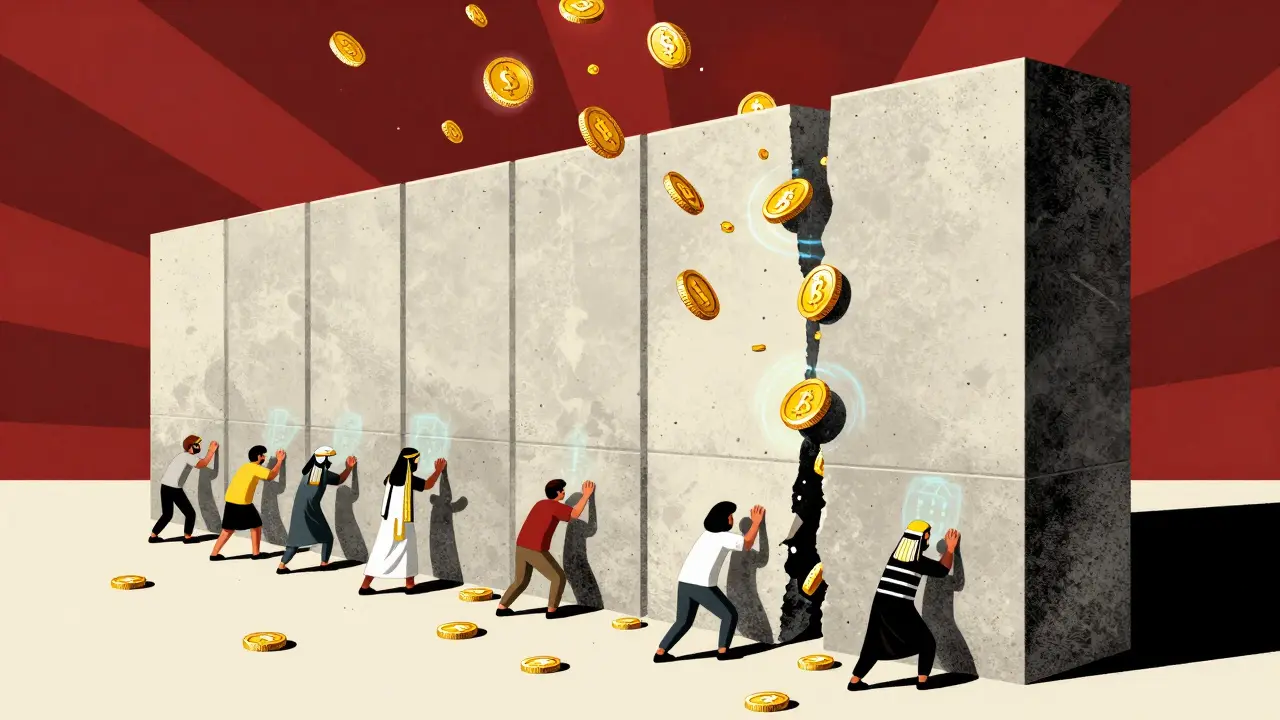
Imagine trying to buy something everyone wants, but your bank is essentially told to block the transaction the moment they see a crypto-related keyword. For millions of people in Egypt, this isn't a hypothetical-it's the daily reality of the financial system. While the government hasn't made owning a digital wallet a crime, the Central Bank of Egypt (CBE) has made it nearly impossible to use traditional bank accounts for trading. This creates a strange paradox: a massive, hungry market for digital assets and a banking wall that refuses to budge.
To get around this, Egyptians have turned to a "shadow" financial system. They aren't using local exchanges-mostly because there aren't any licensed ones-but are instead relying on peer-to-peer (P2P) networks. This allows them to swap Egyptian Pounds (EGP) for Bitcoin or USDT without a bank ever knowing the money is destined for a blockchain. If you're wondering how a market projected to hit $690 million in revenue by 2025 survives in a restrictive environment, the answer is simple: they stop trusting the middlemen.
The Legal Gray Zone: Why the "Underground" Exists
To understand why P2P is the only real option, you have to look at Law No. 194 of 2020. This legislation is the core of the problem. It basically says you cannot issue, trade, or promote digital currencies without a license from the CBE. Here is the kicker: the CBE almost never grants these licenses. This doesn't make holding crypto strictly illegal for an individual, but it makes the act of P2P crypto trading Egypt users rely on a necessary workaround to avoid banking freezes.
Banks in Egypt are terrified of regulatory blowback. If a bank sees a transfer to a known exchange like Coinbase or Kraken, they might flag the account. This has pushed the community into the gray market. Even religious interpretations have played a role; while Dar al-Ifta once labeled Bitcoin as haram, more modern views suggest it's acceptable if it's economically safe. This cultural shift, combined with currency devaluation, has made crypto an attractive hedge against inflation for the average Egyptian.
How P2P Trading Actually Works in Egypt
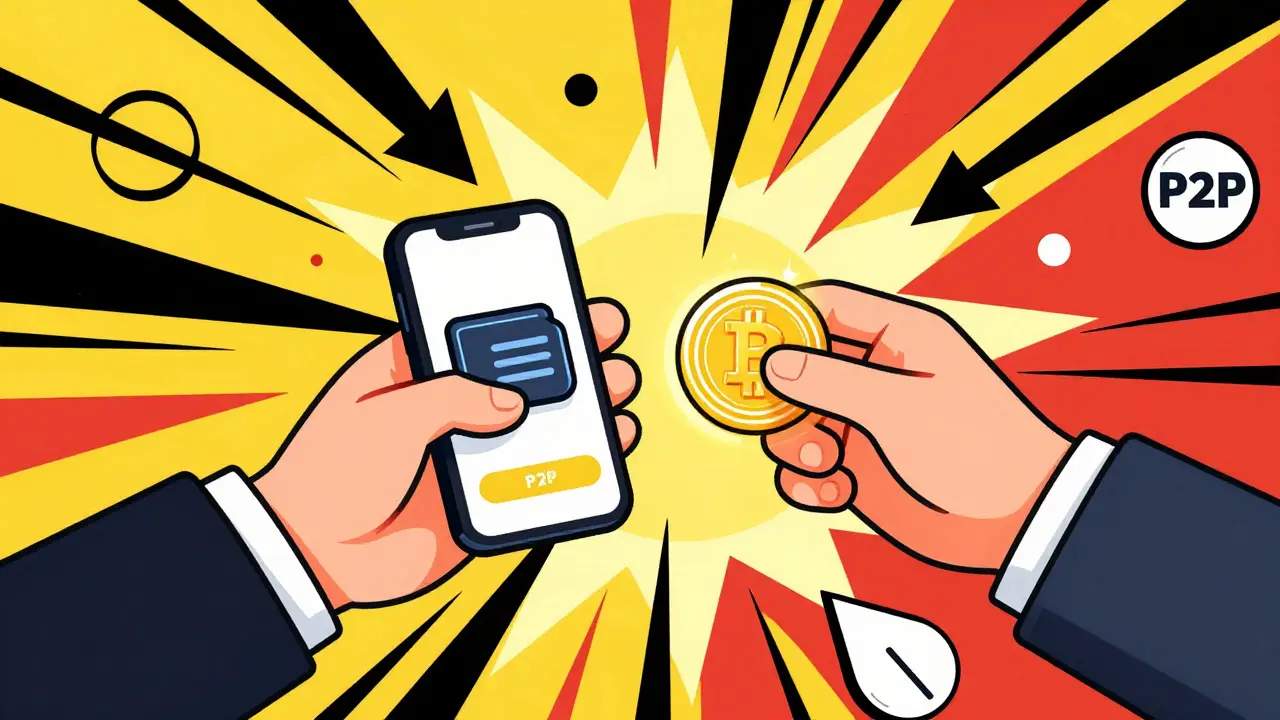
P2P, or Peer-to-Peer trading, is essentially a digital classifieds section for currency. Instead of selling your Bitcoin to a company, you sell it to another person. The platform acts as a trusted escrow service to make sure neither side gets scammed.
Here is the typical process an Egyptian trader follows:
- Finding a Match: The trader opens a P2P marketplace and filters for "EGP" (Egyptian Pound). They find a seller who is willing to take a bank transfer or mobile wallet payment.
- The Escrow Lock: The seller's crypto is locked by the platform (like Bybit or Binance). This ensures the seller can't run away once they receive the money.
- The Off-Chain Payment: The buyer sends EGP directly to the seller. This is the "underground" part. They might use a mobile wallet like Vodafone Cash or a direct bank-to-bank transfer. Since the payment is just a transfer between two citizens, the bank doesn't automatically know it's for crypto.
- Releasing the Assets: Once the seller confirms the money has hit their account, they click "Release," and the platform sends the crypto to the buyer's wallet.
Top Platforms Used to Bypass Restrictions
Not all platforms are created equal when it comes to navigating the Egyptian market. Traders look for high liquidity, low fees, and, most importantly, an interface that supports the local language and payment habits.
| Platform | Key Attribute | Payment Flexibility | Best For |
|---|---|---|---|
| Bybit | Zero P2P transaction fees | High (Bank, Credit Card, Apple Pay) | Retail traders wanting low costs |
| Binance | Massive liquidity | Very High (Multiple EGP options) | High-volume traders |
| OKX | Professional tools | Moderate | Institutional or Pro users |
| Gate.io | Huge asset selection (3,700+ coins) | Moderate | Altcoin hunters |
Bybit P2P has become a favorite because it directly addresses the linguistic and cultural needs of the region, offering an Arabic interface and Shariah-compliant options. When you're operating in a legal gray area, having a platform that feels local is a huge trust signal.
The Risks of Trading in the Shadows
Trading underground isn't without its dangers. When you step outside the regulated banking system, you lose the safety nets. If a P2P trade goes wrong and the platform's dispute resolution fails, you can't exactly call the police or the central bank to report a "crypto scam" without admitting you were engaging in a restricted activity.
The biggest risks include:
- Bank Account Freezes: Even though P2P hides the "crypto" part, banks have algorithms to detect suspicious patterns. If you receive 20 small transfers from 20 different strangers in one day, the bank might flag you for money laundering.
- Counterparty Fraud: Some scammers use "triangulation fraud," where they trick a third party into paying the crypto seller, making it look like the buyer paid when they actually didn't.
- Regulatory Shifts: The CBE could change its stance overnight. If they decide to move from "restrictive" to "aggressive," users of international platforms could find their accounts suddenly blocked.
Security Heuristics for the Egyptian Trader
Experienced traders in Cairo and Alexandria don't just hope for the best; they follow a strict set of unwritten rules to protect their capital. First, they prioritize Two-Factor Authentication (2FA) using apps like Google Authenticator rather than SMS, as SIM-swapping is a known risk.
Second, they use Cold Storage. They never keep their entire portfolio on an exchange. By moving assets to a hardware wallet, they ensure that even if an international platform restricts Egyptian users, their coins remain under their own private keys. A common rule of thumb is the "80/20 rule": keep 20% on the P2P platform for active trading and 80% in cold storage for long-term safety.
The Future of Crypto in Egypt: Evolution or Crackdown?
Is the underground market a temporary glitch or a permanent fixture? Interestingly, while the CBE remains strict, other government arms are flirting with the tech. There is a growing interest in using Blockchain for land registration and supply chain management. This suggests a split in the government's brain: they hate the currency (Bitcoin), but they love the ledger (Blockchain).
As we move deeper into 2026, the pressure for a regulated framework will only increase. With a user base exceeding 11 million people, the "underground" is becoming too big to ignore. Until then, P2P will remain the lifeline for Egyptians seeking financial autonomy in a restrictive environment. The shift toward DeFi (Decentralized Finance) is also accelerating, as it removes the need for an exchange entirely, moving the trade from a platform to a smart contract.
Is it illegal to own Bitcoin in Egypt?
Owning cryptocurrency is not explicitly illegal under Egyptian law. However, Law No. 194 of 2020 prohibits the trading, promotion, or issuance of digital currencies without a license from the Central Bank of Egypt (CBE), which is almost never granted. This creates a legal gray area where possession is generally overlooked, but active trading is restricted.
Why do Egyptians use P2P instead of regular exchanges?
Traditional Egyptian banks often block transactions related to cryptocurrency exchanges to comply with CBE directives. P2P (Peer-to-Peer) allows users to send money directly to another person via bank transfer or mobile wallets, bypassing the exchange's direct involvement in the payment process and avoiding bank flags.
Which P2P platform is safest for EGP trades?
Bybit and Binance are the most popular due to their high liquidity and robust escrow systems. Bybit is particularly favored for its Arabic interface and zero transaction fees on P2P, while Binance offers a wider array of EGP deposit options.
Can my bank account be frozen if I use P2P?
Yes, there is a risk. While the bank doesn't see "crypto," they do see the pattern of transactions. Multiple transfers from unknown individuals can trigger anti-money laundering (AML) flags. Traders often mitigate this by using different payment methods or keeping transaction volumes consistent with their known income.
What is the safest way to store crypto in Egypt?
The safest method is using a hardware wallet (cold storage). This ensures the user has total control over their private keys and that their assets are not subject to the terms of service or regional restrictions of an international exchange.
What to do if things go wrong
If you find yourself in a dispute during a P2P trade, your first and only line of defense is the platform's support system. Gather all evidence: screenshots of the transfer, chat logs, and transaction IDs. Never release the crypto until you have verified the funds in your own bank app-don't trust "payment sent" screenshots from the buyer.
For those moving larger sums, avoid using a single bank account. Diversifying between different mobile wallets and bank accounts can help reduce the risk of a total financial freeze if one account is flagged for suspicious activity. Stay updated on the CBE's announcements, as the line between "gray market" and "illegal" can shift quickly.
Omotola Balogun
April 11, 2026 AT 04:15Actually, the P2P dynamic isn't just about bypassing banks but about creating a parallel economy. Most people fail to realize that liquidity in these markets is often driven by arbitrageurs who move funds between different regional P2P desks to exploit price gaps. It is quite a sophisticated operaton, though many users are still prone to basic errors like not verifying the sender's name match with the account details.
James Bone
April 11, 2026 AT 05:14Classic case of people thinking they're 'revolutionizing' finance while just playing a high-stakes game of hide-and-seek with the government. It's a beautiful irony that people use a 'decentralized' currency by relying on a centralized escrow on a corporate exchange. Truly, the peak of human delusion to believe you're free while using a Bybit account.
Kieran Smith
April 11, 2026 AT 22:03wow this is realy eye opning stuff! i think its cool how people find ways to survive when the system is rigged against them. hope evryone stays safe and doesnt get thier accounts locked lol
Adam Auksel
April 12, 2026 AT 20:47Love seeing the resilience here! 🚀 Just a reminder for anyone starting out: always double check those transaction IDs before hitting release. Safety first! 🛡️✨
Jessie Tayaban
April 13, 2026 AT 08:37Omg i can't even imagine the stress of a bank freeze!! Like literally imagine waking up and your whole life savings is just... gone because some bot saw a crypto transfer?? That is actually terrifing!! 😱
jennelle williams
April 14, 2026 AT 02:43just a way to survive
Stanly Hayes
April 15, 2026 AT 20:15You guys in the West really don't get how this works. It's not some hobby; it's survival. But the platforms better keep improving their Arabic support or they'll lose the market to something even more underground!
Lane Montgomery
April 17, 2026 AT 10:31Which banks specifically are freezing accounts?
Rob Mitchell
April 18, 2026 AT 21:30Cold storage is the only way. Trust no one.
Aaliyah BROTHERS
April 18, 2026 AT 23:01SURELY this is all part of a larger globalist plot to track every single cent we spend!!! The CBE is just a puppet for the New World Order... they want us in a digital cage where they can flip a switch and starve us out!!! ABSOLUTE MADNESS!!!!
Tracie and Matthew Hartley
April 19, 2026 AT 04:01idk why ppl trust these P2P platforms so much. its basicly just trustin a stranger in a different city not to screw u over. its not that deep
Surender Kumar
April 19, 2026 AT 22:53very intresting read... it's nice to see how people help each other out through these networks. hope it works out for them in the long run :)
EDOZIEM MICHAEL
April 20, 2026 AT 15:41money is just a shared hallucination anyway so who cares if it is in a bank or a blockchain
Chidinma Sandra okafor
April 21, 2026 AT 23:51Oh please, as if this is some grand act of rebellion. It's just people trying to make a quick buck while pretending they're fighting the system. How quaint.
Alan Seiden
April 22, 2026 AT 06:14Absolutely pathetic that people have to resort to this. It's a failure of governance. If the UK did this, there would be riots in the streets within an hour. Utterly shambolic!
Akshay Gorad
April 22, 2026 AT 13:09I appreciate the detailed breakdown of the risks. It is important to maintain a balance between financial autonomy and legal safety.
logan bates
April 24, 2026 AT 09:50Doesn't matter. US banks are the only ones that actually work.
Tyler Webb
April 25, 2026 AT 04:04It's really heartbreaking to think about the stress of potentially losing everything to a bank freeze just for trying to save your money. Sending good vibes to everyone navigating this <3
Omotola Balogun
April 27, 2026 AT 02:11While the sentiment is kind, the reality is purely mathematical. The risk is a variable that traders simply price into their spreads. In Nigeria, we saw the same pattern with the CBN bans, and eventually, the market just evolved. The 'stress' is merely a cost of doing business in an emerging economy. You cannot expect institutional stability in a region where the currency is losing value faster than a Bitcoin dip. It is a simple matter of risk management and diversifying your entry and exit points. If you are using a single account for high-volume P2P, you aren't a trader; you're a gambler. The smart money is already moving into non-custodial DeFi protocols to remove the exchange risk entirely. Eventually, the banks will realize they can't stop the flow of digital value and will be forced to integrate or become irrelevant. Until then, the underground remains the only efficient market available. It is not a tragedy; it is an evolution of finance forced by necessity. Anyone who doesn't see that is ignoring the obvious trajectory of global capital.