Margin Trading Risks and Rewards: A Realistic Guide for Crypto Investors
 May, 1 2026
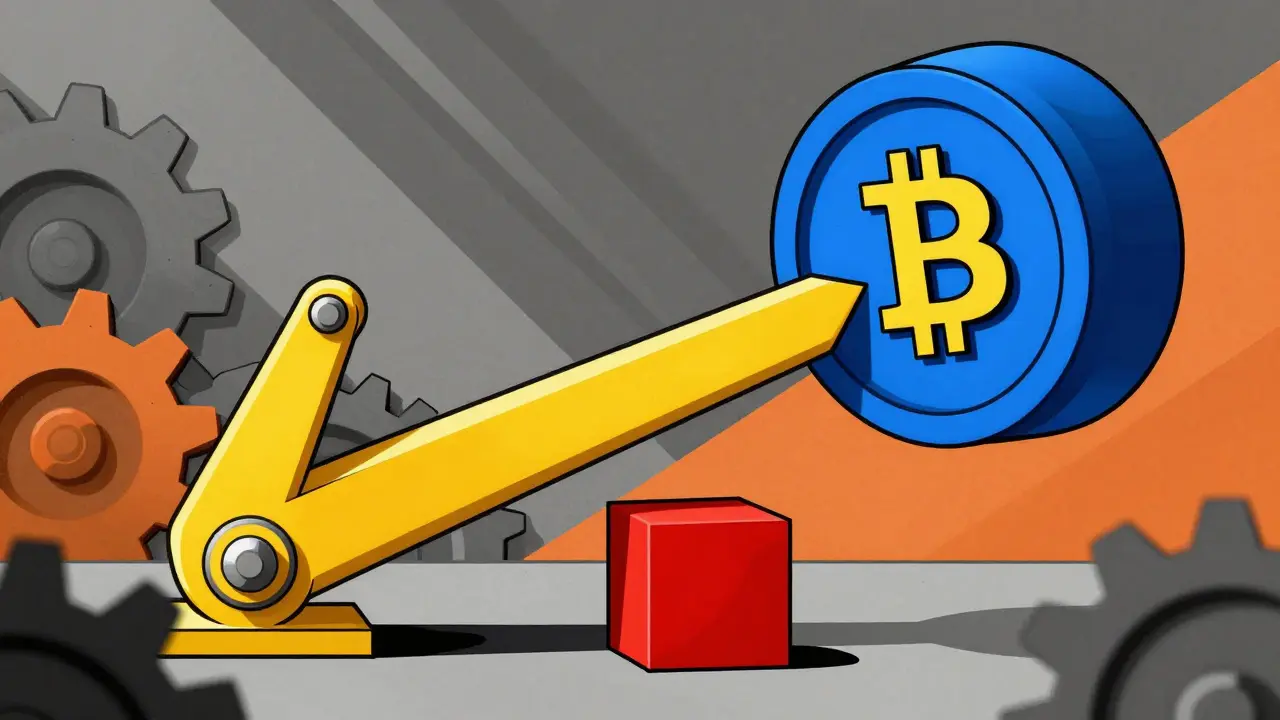
You have $10,000 in your account. The market is moving fast, and you see a clear opportunity to buy Bitcoin or Ethereum before the price jumps. But $10,000 only gets you so far. This is where margin trading, a financial strategy that allows investors to borrow funds from a broker to purchase assets beyond their current cash balance, comes into play. It lets you control a much larger position than your capital alone would allow. However, this power comes with a heavy price tag: risk.
In the world of blockchain and cryptocurrency, where volatility is the norm rather than the exception, margin trading can be the difference between doubling your portfolio overnight and losing everything-including money you didn’t even invest. Understanding the mechanics, the hidden costs, and the psychological traps is essential before you click that "borrow" button.
How Margin Trading Actually Works
At its core, margin trading is simply borrowing money to invest. When you open a margin account with a brokerage or exchange, you are entering a loan agreement. You provide some of your own money as collateral, and the lender provides the rest. This combined amount gives you "buying power."
Let’s look at a concrete example using standard regulations. In traditional markets, the Financial Industry Regulatory Authority (FINRA) sets rules that often require you to put up at least 50% of the purchase price yourself. This is called the initial margin. If you want to buy $20,000 worth of assets, you need $10,000 of your own cash. The broker lends you the other $10,000.
In the crypto space, things are different. Exchanges often offer much higher leverage ratios-sometimes 5x, 10x, or even 100x. This means with $1,000 of your own money, you could potentially control $100,000 worth of Bitcoin. While this sounds like a dream for quick profits, it fundamentally changes the math of your trade. Every percentage move in the asset’s price is applied to the total borrowed amount, not just your initial deposit.
| Scenario | Initial Investment | Borrowed Amount | Total Position Value | Asset Price Change | Net Profit/Loss on Equity | Return on Investment (ROI) |
|---|---|---|---|---|---|---|
| Cash Account | $10,000 | $0 | $10,000 | +10% | +$1,000 | 10% |
| Margin Account (2x Leverage) | $10,000 | $10,000 | $20,000 | +10% | +$2,000 - Interest | ~20%* |
| Margin Account (2x Leverage) | $10,000 | $10,000 | $20,000 | -10% | -$2,000 - Interest | ~-20%* |
As you can see, a 10% rise in the asset price results in a 20% gain on your equity when using 2x leverage. Conversely, a 10% drop wipes out 20% of your original capital. The multiplier effect works both ways, instantly.
The Hidden Costs: Interest and Fees
One of the biggest misconceptions about margin trading is that the borrowed money is "free." It is not. You are paying interest on every dollar you borrow, calculated daily based on the outstanding balance. These rates vary significantly depending on the broker, the asset, and current market conditions.
In traditional finance, rates might range from low single digits to over 11%. In crypto, these rates can fluctuate wildly. During periods of high demand for borrowing, interest rates can spike dramatically. If you hold a leveraged position for weeks or months, these daily charges can eat into your profits entirely, turning a winning trade into a break-even or losing one.
Unlike a personal loan with a fixed repayment schedule, margin loans typically have no set end date. You pay interest until you repay the principal. This lack of structure can lead to complacency. Traders often forget to monitor their debt levels, assuming they will close the position soon. Instead, the position drags on, accumulating interest, and tying up capital that could be used elsewhere.

The Danger Zone: Margin Calls and Liquidation
This is where most new traders fail. To protect themselves from lending you more money than you can repay, brokers enforce strict equity requirements. You must maintain a minimum level of equity in your account relative to the value of your positions. This is known as the maintenance margin.
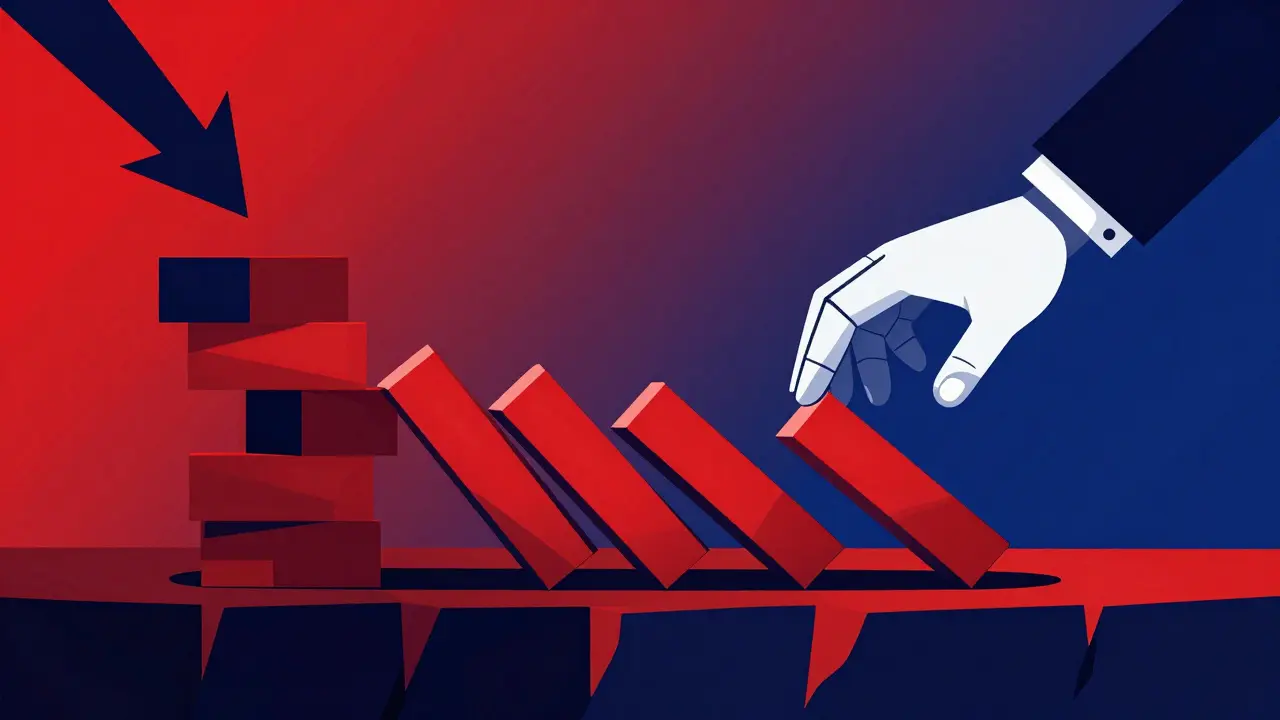
If the value of your assets drops and your equity falls below this maintenance threshold, you receive a margin call. This is a demand from your broker to deposit more cash immediately to restore your account to the required level. If you cannot meet this call, or if the market continues to crash rapidly, the broker will step in.
They will sell your assets without asking for your permission. This process is called liquidation. It happens automatically and often at the worst possible price. In volatile crypto markets, prices can gap down significantly within seconds. You might think you have enough buffer, but a sudden 5% drop can trigger liquidation if you were using high leverage.
Consider this scenario: You use 10x leverage. Your position is worth $10,000, but you only put in $1,000 of your own money. If the asset price drops by just 10%, the total value of your position becomes $9,000. After repaying the $9,000 loan, you have $0 left. Your entire initial investment is gone. This is why experts warn that your downside is not limited to your collateral; in extreme cases, you can owe more than you initially deposited.
Rewards: When Margin Trading Makes Sense
Despite the risks, margin trading remains a popular tool for experienced investors. Why? Because it offers efficiency and flexibility that cash accounts cannot match.
- Amplified Returns: In a strong bull market, leverage allows you to maximize gains on your existing capital. If you correctly predict a trend, you profit faster than those waiting for slow, organic growth.
- Liquidity Management: Sometimes, selling an asset to raise cash triggers tax events or disrupts long-term holding strategies. Margin allows you to access cash against your holdings without selling them. This is particularly useful for managing short-term expenses while maintaining exposure to long-term appreciating assets.
- Hedging Opportunities: Sophisticated traders use margin to hedge against downside risk. For example, if you hold a large position in Bitcoin, you might take a short margin position on a correlated altcoin to offset potential losses during a market dip.
These benefits are real, but they require discipline. The reward is not just the potential for higher profits; it is the ability to manage your portfolio with greater precision. However, this precision requires constant monitoring and a deep understanding of market dynamics.
Who Should Avoid Margin Trading?
Not everyone should touch margin. If you fall into any of these categories, stick to cash accounts:
- Beginners: If you do not fully understand how leverage, interest calculations, and margin calls work, you are gambling, not investing.
- Long-Term Holders: If your strategy is "buy and hold" for years, the compounding interest costs will erode your returns significantly.
- Emotional Traders: Margin amplifies stress. Watching your equity swing wildly due to leverage can lead to panic selling or revenge trading, which destroys portfolios.
- Those Without Emergency Funds: If a margin call hits, you need immediate access to cash. If you cannot meet the call, you face liquidation. Never use margin if you cannot afford to lose the entire amount.
Experts consistently advise that margin is a tool for professionals who understand the mechanics inside out. As one industry veteran noted, "Margin trading is for experts who understand the mechanics of it-not your average retiree." The complexity and speed of crypto markets make this advice even more critical.
Practical Tips for Safer Margin Use
If you decide to proceed, follow these rules to protect yourself:
- Start Small: Begin with low leverage (1x or 2x). Do not jump into 10x or 20x positions until you have extensive experience.
- Set Stop-Losses: Use automated stop-loss orders to limit your downside. This ensures you exit a losing position before it triggers a margin call.
- Maintain a Cash Cushion: Keep extra funds in your account well above the maintenance margin requirement. This buffer protects you from sudden volatility.
- Monitor Interest Rates: Check the cost of borrowing regularly. If rates spike, consider reducing your position to avoid excessive fees.
- Understand the Asset: Only leverage assets you know well. Volatile, low-liquidity tokens are dangerous candidates for margin trading.
Remember, the goal of margin trading is not to get rich quick. It is to enhance your strategic options. Treat it with respect, and always prioritize capital preservation over aggressive gains.
What is the main risk of margin trading?
The primary risk is amplified losses. Because you are borrowing money, a small drop in asset price can wipe out your entire investment and potentially leave you owing more than you started with. Additionally, margin calls can force liquidation at unfavorable prices.
How does leverage affect my returns?
Leverage multiplies both gains and losses. With 2x leverage, a 10% increase in asset price results in a 20% gain on your equity. Conversely, a 10% decrease results in a 20% loss. Higher leverage increases this multiplier effect exponentially.
What happens if I cannot meet a margin call?
If you cannot deposit additional funds to meet the maintenance margin requirement, your broker will automatically liquidate your positions. This means selling your assets at current market prices, which may be significantly lower than your entry price, resulting in substantial losses.
Is margin trading suitable for beginners?
Generally, no. Margin trading requires a deep understanding of market mechanics, risk management, and interest calculations. Beginners are advised to start with cash accounts and gain experience before considering leverage.
How much does margin interest cost?
Interest rates vary by broker and market conditions. They are typically calculated daily on the outstanding loan balance. Rates can range from low single digits to over 10% annually, and they can spike during periods of high market volatility or demand.