Public Key vs Wallet Address: The Real Difference in Crypto
 May, 6 2026
Imagine you’re standing on a street corner holding a lockbox. You hand the box to someone and say, "Put your money in here." That’s your wallet address. It is the public destination identifier used to receive cryptocurrency funds. Now imagine that same person tries to open the box to take the money out. They can’t, because they don’t have the key. But if they somehow got the key, they could walk away with everything inside. That’s your private key, which is the secret cryptographic credential that grants full control over assets associated with a wallet. Most people entering the crypto world get tangled up in these terms. You hear "public key" and "wallet address" thrown around like they mean the same thing. They don’t. Confusing them isn’t just annoying-it can be dangerous if you accidentally share the wrong information or fail to understand who has access to your funds. Let’s clear this up once and for all.
The Simple Analogy: Mailbox vs. House Keys
To make sense of this, picture your home. Your house address is something you give to anyone who wants to send you a package. You put it on forms, tell friends, and even print it on business cards. Anyone can see it, but seeing it doesn’t let them come inside your house. That’s your wallet address. Now think about the keys to your front door. You never show those to strangers. If someone stole your keys, they wouldn’t just see your house-they’d own it. They could move furniture, sell your car, or change the locks. That’s your private key. So where does the public key, which is a cryptographic string derived from the private key used to verify transaction signatures. fit in? Think of the public key as the combination to a safe deposit box at the bank. You don’t write the combination on a postcard (that’s the address), but the bank uses it to prove that the person trying to open the box actually knows the code without ever revealing the code itself to the public. In crypto, the network uses your public key to verify that a transaction was signed by the owner, without exposing the private key.
How They Are Created: The One-Way Street
The relationship between these three elements follows a strict mathematical path. It starts with randomness and ends with a string of characters you can copy-paste into a payment form. Here is how the chain works:
- Private Key Generation: When you create a new wallet, your software generates a random number. This is your private key. It is usually 64 hexadecimal characters long. This number is the root of your ownership.
- Public Key Derivation: Using a mathematical algorithm called elliptic curve cryptography, the wallet transforms that private key into a public key. This process is one-way. You can easily go from private to public, but you cannot go back. It’s like grinding coffee beans-you can turn the beans into powder, but you can’t turn the powder back into whole beans.
- Wallet Address Creation: Finally, the wallet takes that public key and runs it through a hashing function (like SHA-256 and RIPEMD-160 in Bitcoin). This compresses the data into a shorter, more manageable string. This final result is your wallet address.
Visual Differences: What Do They Look Like?
If you look closely at the strings of characters, you’ll notice distinct patterns. These visual cues help you identify which type of key you are dealing with.
| Feature | Public Key | Wallet Address |
|---|---|---|
| Length | Longer (e.g., 66 characters in Bitcoin) | Shorter (e.g., 34 characters in Bitcoin) |
| Format | Hexadecimal (0-9, A-F) or Base64 | Base58Check or Bech32 (starts with '1', '3', or 'bc1') |
| Visibility | Sometimes visible in transaction details | Always visible on the blockchain |
| Primary Use | Verifying digital signatures | Receiving funds |
| Shareability | Safe to share, but rarely needed | Designed to be shared freely |
0279BE667EF9DCBBAC55A06295CE870B07029BFCDB2DCE28D959F2815B16F81798.
The corresponding wallet address would look like this: 1A1zP1eP5QGefi2DMPTfTL5SLmv7DivfNa.
Notice the difference? The address is shorter, easier to read, and often includes checksums to prevent typos. If you see a string starting with "bc1" (common in modern Bitcoin wallets using SegWit), that is definitely a wallet address, not a raw public key.

Why You Usually Only See the Address
In day-to-day usage, you will almost always interact with your wallet address. Why? When you want to receive Bitcoin, Ethereum, or any other cryptocurrency, you paste your wallet address into the sender’s app. The sender doesn’t need your public key to send you money. They only need the destination-the address. However, behind the scenes, the public key plays a vital role. When you initiate a transaction to spend funds, your wallet signs the transaction with your private key. This creates a digital signature. The network nodes then use your public key to verify that signature. If the signature matches the public key, the network knows the transaction is legitimate and authorized by the owner. You don’t need to manually handle the public key during this process. Modern wallets abstract this complexity away. They generate the necessary cryptographic proofs automatically. So, while the public key is essential for security and verification, it remains hidden from most users’ view. You simply provide the address to receive funds, and the wallet handles the rest.
Security Risks: What Happens If You Share Them?
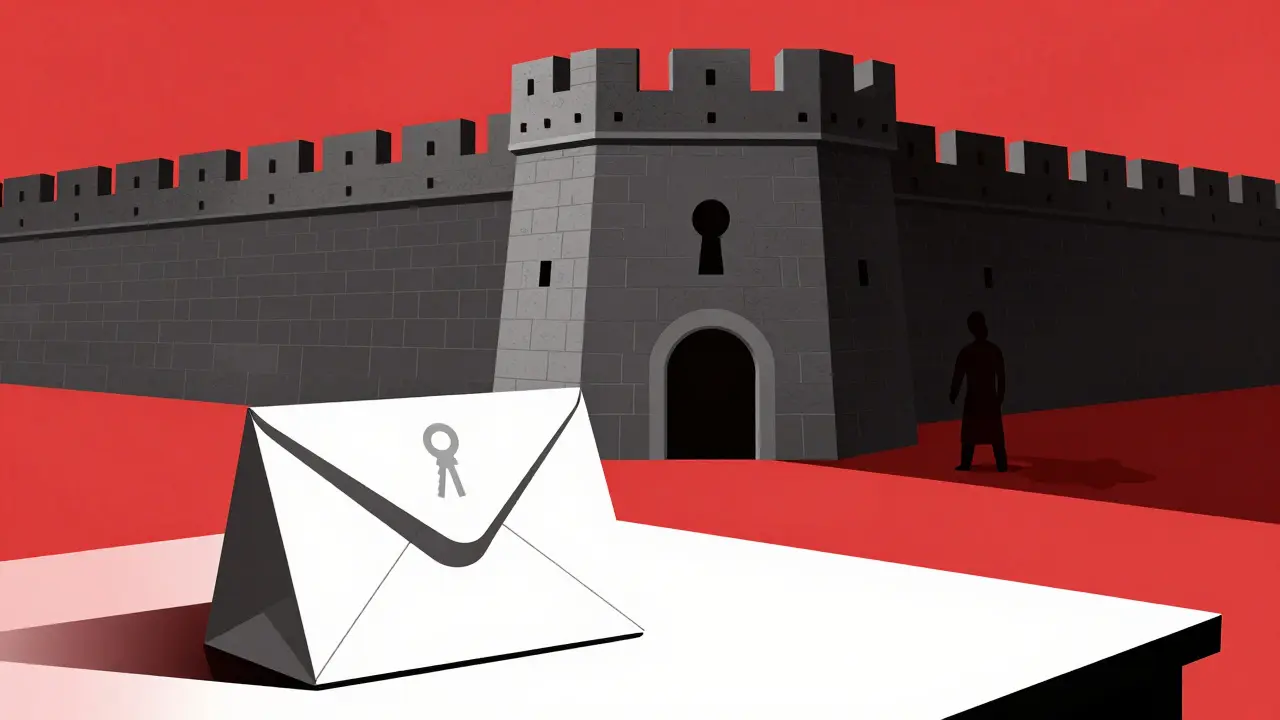
This is where understanding the difference becomes critical for your financial safety. Sharing Your Wallet Address: Zero risk. You can post your wallet address on social media, print it on flyers, or email it to strangers. No one can steal your funds just by knowing your address. In fact, transparency is often encouraged in crypto communities to build trust. Sharing Your Public Key: Low risk, but unnecessary. While exposing your public key doesn’t directly compromise your private key, it can reduce privacy. Advanced blockchain analysts might use your public key to link multiple transactions together, potentially de-anonymizing your activity. For most users, this isn’t a major concern, but it’s still better to keep it private unless required by a specific protocol. Sharing Your Private Key: Catastrophic risk. Never, ever share your private key. Not with support staff, not with friends, not with AI chatbots. Anyone who possesses your private key has total control over your wallet. They can transfer all your funds to their own address instantly. There is no customer service to call, no password reset button, and no way to reverse the transaction. If you lose your private key or seed phrase, your funds are gone forever. If you leak it, your funds are stolen forever.
Advanced Privacy: Why Multiple Addresses Help
Many modern wallets generate a new wallet address for every transaction you receive. This feature enhances privacy significantly. If you use the same address repeatedly, anyone viewing the blockchain can see your entire transaction history. They can calculate your balance, track your spending habits, and link your identity to your activities. By using a fresh address each time, you break this link. To an outside observer, it looks like different people are transacting, rather than one person receiving multiple payments. This works because all these addresses are derived from the same master private key (via hierarchical deterministic algorithms). You don’t need to manage hundreds of separate keys. Your wallet manages them all behind the scenes, allowing you to consolidate funds internally while maintaining external privacy.
Common Mistakes to Avoid
Even experienced users sometimes slip up. Here are three common pitfalls:
- Confusing Seed Phrases with Public Keys: Your seed phrase (or recovery phrase) is a list of 12-24 words. It is essentially a human-readable version of your private key. Never treat it like a public key. It must be stored offline, ideally on metal or paper, in a secure location.
- Pasting Addresses into Wrong Fields: Some platforms ask for a "deposit address" and others for a "public key" (especially in older forums or technical setups). Always double-check the field label. Pasting a public key into an address field will likely result in failed transactions or lost funds.
- Using Screenshots Instead of Copy-Paste: OCR errors can corrupt addresses. A single wrong character means your funds go to a non-existent or stranger’s wallet. Always copy the text directly from your wallet application and paste it into the recipient field. Verify the first and last four characters before confirming.
Final Thoughts on Crypto Identity
Cryptocurrency operates on a foundation of mathematics, not trust. Unlike banks, which know your name and ID, the blockchain only recognizes keys. Your wallet address is your public face-your invitation to participate in the economy. Your private key is your soul-your proof of ownership and authority. And your public key is the bridge that connects them, ensuring that every transaction is valid without compromising your secrets. By keeping these roles distinct in your mind, you protect your assets and navigate the crypto space with confidence. Remember: addresses are for receiving, private keys are for controlling, and public keys are for verifying. Keep your address open, your public key quiet, and your private key locked down tight.
Can I recover my private key from my public key?
No, it is mathematically impossible to derive a private key from a public key. The encryption algorithms used (like ECDSA) are designed specifically to be one-way functions. This ensures that even if your public key is exposed to the entire internet, your private key remains secure.
Is it safe to share my wallet address publicly?
Yes, absolutely. Your wallet address is meant to be shared. It acts like an email address or bank account number for receiving funds. Sharing it does not give anyone access to your funds or allow them to steal your cryptocurrency.
What happens if I send crypto to the wrong address?
In most cases, the transaction will fail and the funds will return to your wallet after a fee is deducted. However, if the address is valid but belongs to someone else, the funds are transferred permanently. Blockchain transactions are irreversible, so there is no way to cancel or refund them once confirmed.
Do I need to remember my public key?
No, you do not need to memorize your public key. Your wallet software generates and manages it automatically. You only need to ensure you securely store your private key or seed phrase, as these are the only credentials required to restore access to your wallet.
Why do some wallets generate new addresses for each transaction?
Generating new addresses improves privacy. Since blockchains are public ledgers, reusing the same address allows observers to link all your transactions together. Using unique addresses makes it harder for third parties to analyze your spending patterns or total balance.