Spintop (SPIN) Airdrop: A Comprehensive Review of the Gaming Hub Distribution
 Apr, 7 2026
Most crypto airdrops are just flashes in the pan-quick bursts of hype that vanish as soon as the tokens hit wallets. But the Spintop is a different story. Launched during the peak GameFi craze of 2021, this project didn't just throw tokens at random users; it attempted to build a structured ecosystem using a multi-layered distribution strategy. If you're looking back at how the Spintop airdrop functioned or trying to understand the mechanics of early GameFi reward systems, this breakdown covers exactly how they handled it.
The Core Mechanics of the SPIN Distribution
The central piece of the puzzle was the SPIN token, which operates on the Binance Smart Chain (BSC). By choosing BSC, Spintop avoided the massive gas fees that plagued Ethereum users at the time, making it much easier for smaller players to claim their rewards. The primary airdrop kicked off on November 23, 2021, with a very specific target: 5,000 participants.
Each lucky winner walked away with 500 SPIN tokens. At the time, this was valued at roughly $5 per person. While that might sound like pocket change now, in the context of 2021's social-task airdrops, it was a competitive entry point. To get a piece of the 2.5 million tokens allocated for this round, users had to jump through a few hoops. It wasn't enough to just click a button; you had to actually engage with their community.
The requirements were straightforward but strict:
- Joining the official Telegram group and channel.
- Following the project on Twitter and retweeting their announcement.
- Maintaining at least 10 followers on Twitter (a move designed to filter out low-effort bot accounts).
- Passing a human verification quiz via a dedicated airdrop form.
Expanding the Reach: Partnerships and Guilds
Spintop knew that a single airdrop wouldn't be enough to sustain a gaming hub. To broaden their horizon, they partnered with CoinMarketCap. This wasn't just a shoutout; it was a strategic distribution of 900,000 SPIN tokens. By leveraging one of the biggest data aggregators in crypto, they reached a global audience of traders and enthusiasts, rewarding 5,000 winners with up to 180 tokens each.
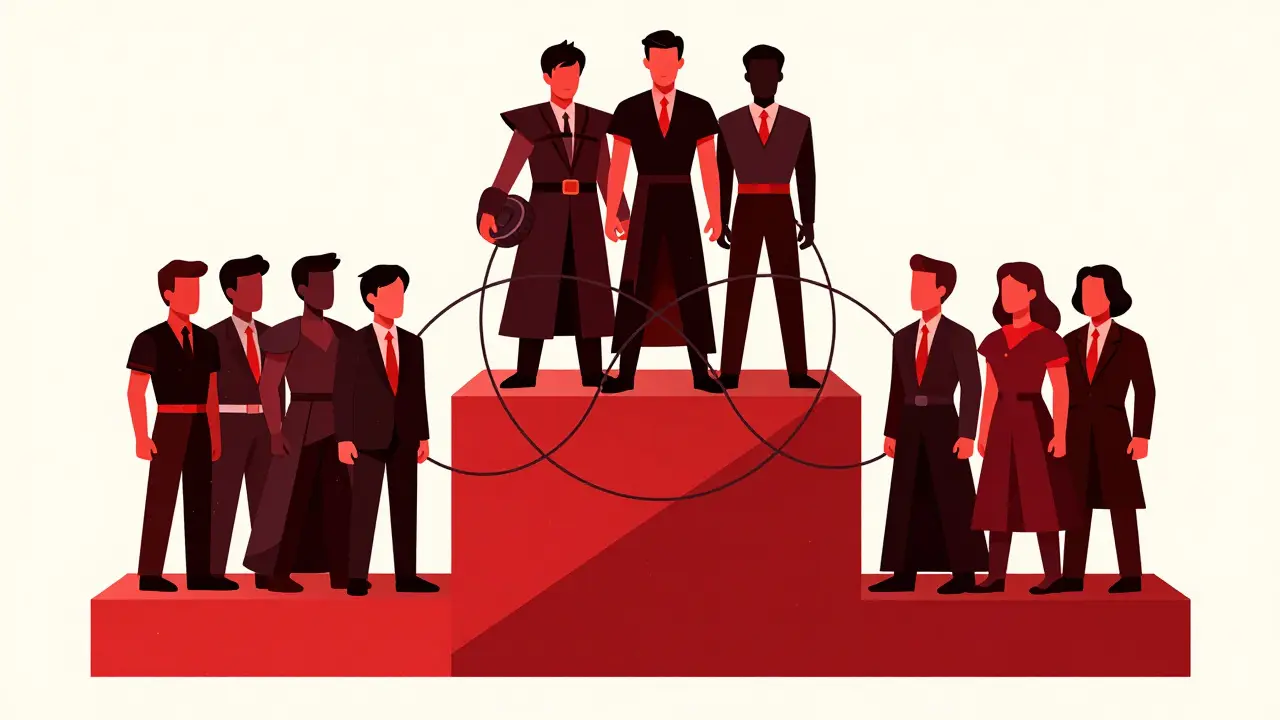
Perhaps the most interesting part of their strategy was the guild-based system. In the world of GameFi, guilds are the equivalent of professional gaming clans. Spintop incentivized this collective behavior by rewarding the top three performing guilds with a percentage of the total airdrop pool. The first-place guild took home 2.5%, the second 1.5%, and the third 1%. This turned a simple "free money" event into a competitive team sport, forcing users to organize and recruit others to maximize their collective gain.
| Campaign Type | Total Tokens Distributed | Max Participants | Reward per User/Group |
|---|---|---|---|
| Primary Social Airdrop | 2,500,000 SPIN | 5,000 | 500 SPIN |
| CoinMarketCap Partnership | 900,000 SPIN | 5,000 | Up to 180 SPIN |
| Guild Rewards (Top 1) | Variable | Top 3 Guilds | 2.5% of pool |
Tokenomics and the Battle Against Dumping
One of the biggest risks with any airdrop is the "dump"-where thousands of people sell their free tokens the second they hit the market, crashing the price. Spintop tried to mitigate this using a sophisticated vesting schedule. They didn't just hand over the keys to the kingdom at the Token Generation Event (TGE) on December 3, 2021.
For many allocations, only 20% of the tokens were unlocked initially. The remaining 80% were released in monthly increments of 20% over the following four months. For private sale investors, the lock-up was even tighter, with only 14.28% available at TGE and the rest vesting linearly over six months. This created a controlled drip of liquidity, which is a standard move for projects trying to maintain a stable floor price.
The Vision: More Than Just a Token
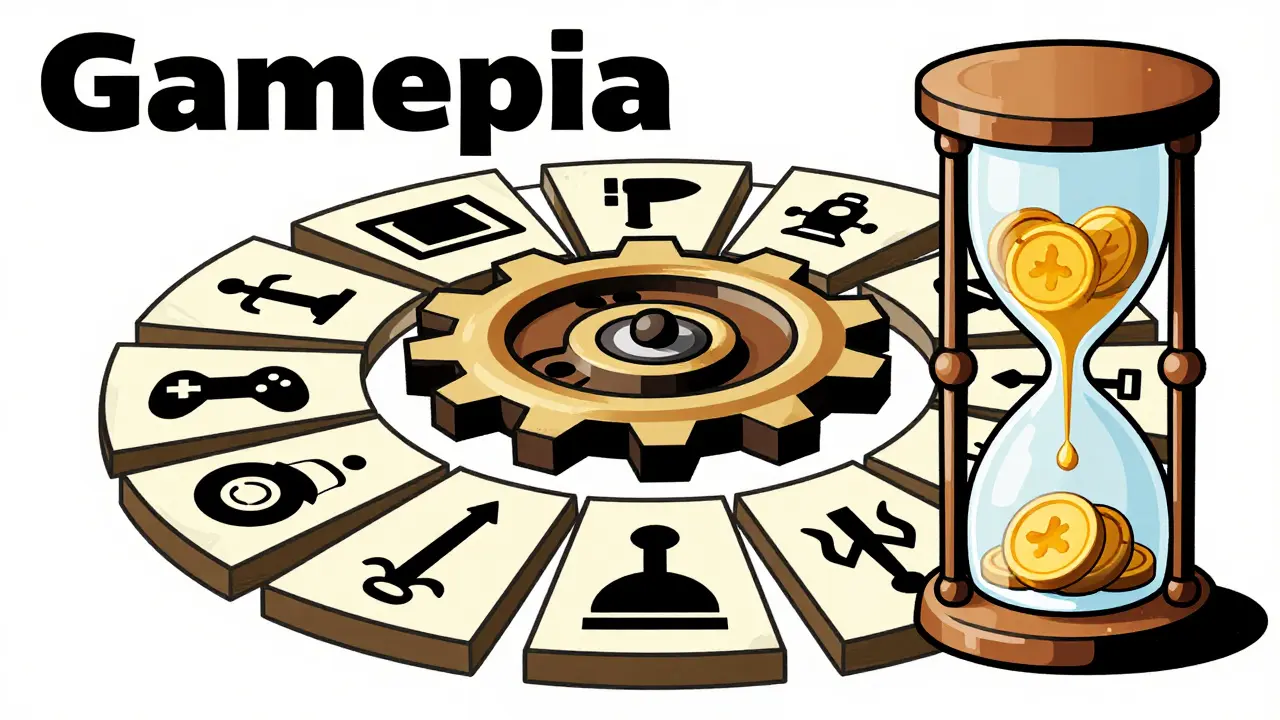
The airdrop was essentially a marketing campaign for a larger product: a blockchain gaming hub. At the center of this was Gamepedia. Think of Gamepedia as the "Wikipedia of P2E games." It was designed as a play-to-earn (P2E) game aggregator, allowing users to browse, review, and select blockchain games based on their personal preferences.
The ecosystem was designed to be a one-stop shop. It wasn't just about playing games; it included features like staking mechanisms, yield farming, and an exchange for NFTs and tokens. By distributing SPIN tokens widely, Spintop hoped to seed a user base that would actually use these tools rather than just selling the tokens and disappearing. They wanted to create a network effect where the value of the token grew as more people used the Gamepedia aggregator.
Reality Check: Execution vs. Outcome
Looking back from 2026, how did it actually go? The execution was technically sound. Using BSC kept costs low, and the partnership with CoinMarketCap was a masterstroke in user acquisition. However, the market has a way of humbling even the best-laid plans. The project's market capitalization eventually settled around $96,950, which is quite small compared to the initial hype.
Why did this happen? It wasn't necessarily a failure of the airdrop, but rather a symptom of the broader GameFi market correction. Between 2022 and 2025, the industry shifted away from simple "click-to-earn" models toward games with actual depth and sustainable economies. While Spintop had a great distribution strategy, the long-term utility of the token struggled to keep up with the cooling interest in P2E aggregators.
For those who participated, the experience was a mixed bag. Early birds who cleared the Twitter follower hurdle found the process seamless. Others found the human verification quizzes tedious. But the guild system proved that gamifying an airdrop can create genuine community bonds, even if those bonds fade once the rewards stop flowing.
When did the Spintop airdrop take place?
The primary social media airdrop began on November 23, 2021, leading up to the Token Generation Event (TGE) which occurred on December 3, 2021.
How many SPIN tokens did participants receive?
The first 5,000 eligible participants in the primary campaign received 500 SPIN tokens each, which were valued at approximately $5 per allocation at the time.
What blockchain does the SPIN token use?
The SPIN token is built on the Binance Smart Chain (BSC), which allowed for faster transactions and significantly lower fees compared to the Ethereum network.
What was Gamepedia in the Spintop ecosystem?
Gamepedia was a blockchain play-to-earn (P2E) game aggregator that allowed users to search for, review, and discover new P2E games based on their specific preferences.
Did Spintop have any other distribution methods besides social tasks?
Yes, they utilized a partnership with CoinMarketCap to distribute 900,000 tokens and implemented a guild-based reward system that gave the top three guilds a percentage of the total airdrop pool.
Were all SPIN tokens available immediately?
No. Spintop used a vesting schedule where only 20% of tokens were typically unlocked at TGE, with the rest released monthly over four months to prevent market dumping.
What Now? Troubleshooting and Next Steps
If you were a participant in the 2021-2022 rounds, your tokens should already be in your BSC-compatible wallet (like MetaMask or Trust Wallet). If you don't see them, ensure you have added the SPIN token contract address manually to your wallet settings. Since the airdrop concluded years ago, there are no longer any active claiming forms.
For those studying this as a model for future projects, the key takeaway is the power of the "Guild" approach. Moving from individual rewards to collective goals is a great way to build a loyal community. However, the drop in market cap serves as a warning: a great marketing campaign cannot save a project if the underlying utility doesn't evolve alongside the market.
david head
April 7, 2026 AT 16:25totally agree with the guild point 🚀 such a cool way to get people working together ✨
Emma Pease-Byron
April 7, 2026 AT 17:48The notion that a $5 entry point was "competitive" is simply laughable. One wonders if the author has ever interacted with actual high-tier liquidity pools or if they are merely enamored with the crumbs of 2021.
vijendra pal
April 8, 2026 AT 01:16Bsc was way better for this lol!! 💎 imagine paying 50 bucks in gas for 5 bucks of tokens... total madness 🤣
Alexandra Lance
April 9, 2026 AT 05:31Omg typical 🙄 I bet the "human verification" was just a way for them to harvest your data for some shadowy cabal 👁️🕵️♀️ Also, imagine being proud of a $96k market cap, that's literally a used car's value 💅✨
Bruce Micciulla Agency
April 10, 2026 AT 14:43this whole analysis ignores the blatant lack of sustainable burn mechanics which basically meant the token was doomed from the start regardless of how many guilds they recruited because you cant just paginate a utility that doesnt exist and expect the market cap to hold when everyone is just waiting for the next vesting unlock to dump their bags on the retail suckers who actually believe in the vision of a gaming hub that is basically just a directory
Sharhonda Walker
April 11, 2026 AT 05:51fyi if your still trying to find these in your wallet just make sure you use the correct contract adress or it wont show up 😅 i had to do that for a few old tokens last week
Erica Mahmood
April 13, 2026 AT 03:10vesting schedules are basically standard for mitigating slippage during TGE but the low liquidity floor here suggests a failure in the token sink design
Siddharth Bhandari
April 14, 2026 AT 01:34The use of a multi-layered distribution strategy was actually quite prudent for the time. Most projects failed because they lacked a structured approach to user acquisition.
Krystal Moore
April 14, 2026 AT 12:09It's honestly disgusting how these projects treat people like bots by making them do quizzes just for pocket change. The lack of respect for the user's time is just appalling and we should really stop supporting these low-effort airdrops entirely!
Lauren Gilbert
April 16, 2026 AT 05:33It is fascinating to consider how we attach so much value to these digital tokens that are essentially designed to disappear, and while the market cap failed, perhaps the real value was the social experiment of the guild system, reminding us that humans will cooperate for even the smallest reward if the game is framed correctly, which makes you wonder if the token was ever the point or just the bait for a deeper psychological study on collective greed in the digital age.
Sonya Bowen
April 16, 2026 AT 13:41Focus on the guild model for future builds. It creates sustainable bonds.
Manisha Sharma
April 18, 2026 AT 09:54Typical western analysis missing the point totaly. Our indian devs wouldve build a much stronger ecosystm than this basic hub. The philosphy of P2E is misunderstood by the masses who only see the money and not the digital sovereignty it represents in a new world order
alex rodea
April 19, 2026 AT 21:27Good look at the old days. Keep learning!
Patty Levino
April 21, 2026 AT 17:29If anyone is struggling with their wallet settings, feel free to reach out. I can help you walk through adding the contract address slowly so you don't make any mistakes.
Brooke Herold
April 22, 2026 AT 10:16Interesting to see how these 2021 trends are viewed now.