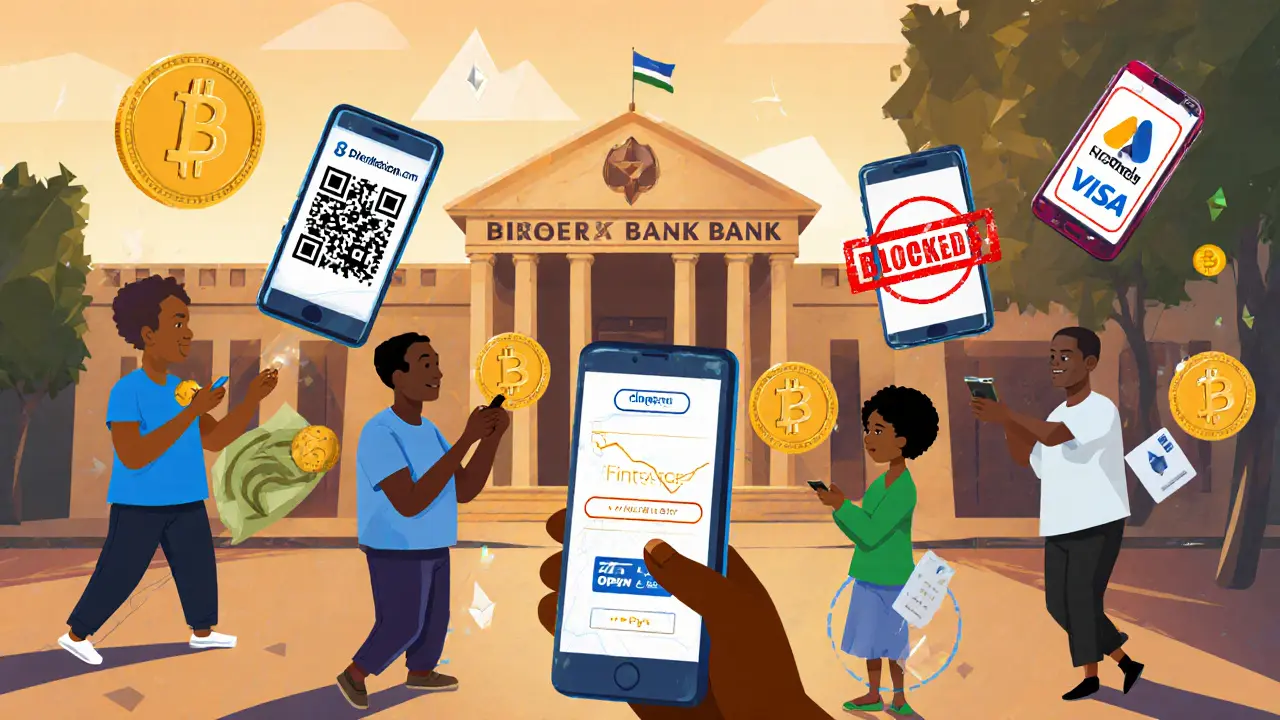
Learn how to buy Bitcoin and other crypto with Nigerian naira in 2025, despite bank restrictions. Step-by-step guide on using Blockchain.com, Binance P2P, Changelly, and more.
When you use Binance P2P, a peer-to-peer crypto trading platform operated by Binance that connects buyers and sellers directly without a central order book. Also known as Binance fiat trading, it lets you trade Bitcoin, Ethereum, and other coins using local currencies like USD, EUR, or NGN—no bank wire needed. Unlike traditional exchanges, Binance P2P doesn’t hold your money. You send fiat directly to the seller’s bank account or mobile wallet, and they release crypto once payment clears. This cuts out intermediaries, lowers fees, and opens crypto access to people in countries with limited banking options.
But it’s not magic. Binance wallet, the built-in digital wallet on Binance that holds your crypto and tracks P2P transactions acts as a temporary escrow. Once you pay, the system holds the crypto until the seller confirms receipt. If something goes wrong, Binance steps in as mediator—but only if you follow their rules. That means no off-platform payments, no screenshots as proof, and no trusting someone who asks you to pay through Western Union. Many users get scammed because they ignore these basics. Real traders check the seller’s history, trade volume, and response time before hitting confirm.
peer-to-peer crypto, a method of buying and selling digital assets directly between individuals without a centralized exchange handling the transaction is growing fast in places like Nigeria, Vietnam, and Argentina, where banks block crypto deposits. It’s also popular with traders who want to avoid KYC limits or need cash quickly. But don’t assume it’s risk-free. Exchange rates on P2P can swing wildly. A seller might list BTC at $60,000, but if the market drops while you’re transferring cash, you’re stuck paying more than the current price. And while Binance offers protection, it doesn’t cover every case—especially if you’re trading in volatile currencies or with new sellers.
You’ll find posts here that dig into why some P2P traders lose money, how to spot fake payment screenshots, and why Binance’s own fee structure makes some trades cheaper than others. You’ll also see real stories from people who used Binance P2P to buy crypto when their bank froze their account, and others who got burned by a seller who disappeared after cash was sent. These aren’t theory pieces—they’re lessons from people who’ve been there.
Whether you’re new to crypto or have traded on other exchanges, Binance P2P gives you direct control. But control means responsibility. This collection doesn’t just explain how it works—it shows you how to use it without getting ripped off, how to compare offers like a pro, and when to walk away. What you’ll find below isn’t hype. It’s the truth about who wins, who loses, and how to stay safe when trading crypto with strangers.
Learn how to buy Bitcoin and other crypto with Nigerian naira in 2025, despite bank restrictions. Step-by-step guide on using Blockchain.com, Binance P2P, Changelly, and more.