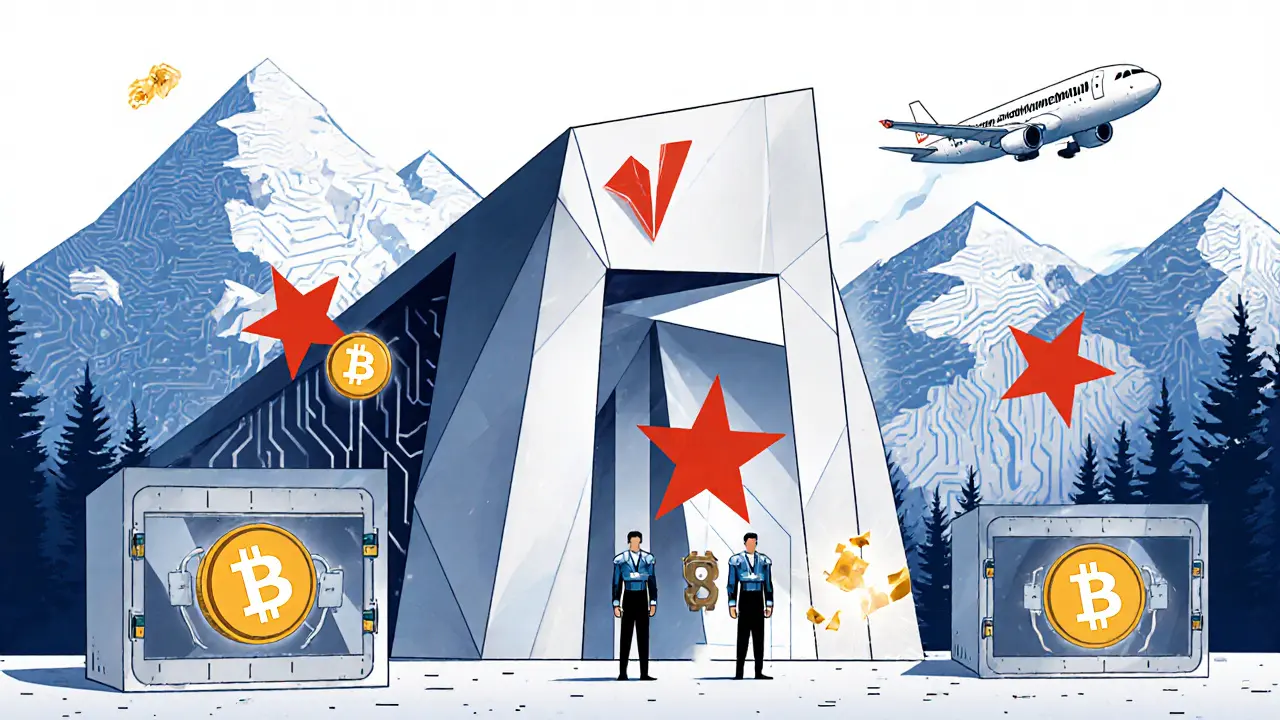
Swiss banks lead the world in regulated cryptocurrency custody, offering secure, legal, and institutional-grade storage for digital assets. Learn how they protect crypto with advanced security, segregation laws, and global compliance.
When you buy crypto, you’re not really buying something you can hold—you’re buying control over a digital key. This is where crypto asset storage, the method used to securely hold and manage access to cryptocurrency. Also known as digital wallet management, it’s the single most important thing you’ll do after buying Bitcoin or Ethereum. If you don’t protect your private key, no matter how much your coins are worth, they’re gone forever. And no customer service rep can get them back.
There are two main ways to store crypto: hot wallets, online wallets connected to the internet, like exchange accounts or mobile apps, and cold storage, offline systems like hardware wallets or paper keys that aren’t connected to the internet. Hot wallets are convenient for small amounts you trade often, but they’re also the first target for hackers. That’s why exchanges like Paycml and FreiExchange—despite offering zero fees—aren’t safe places to store your life savings. If their systems get breached, your coins vanish. Cold storage, on the other hand, is how serious holders protect their assets. Think of it like keeping cash in a home safe instead of your wallet.
But storage isn’t just about hot or cold. It’s about who controls the key. If an exchange holds your private key, you don’t own your crypto—you’re just renting it. That’s why so many posts here warn about platforms like CoinFalcon, Core Dao Swap, or 1BCH.com: they may look legit, but if you can’t access your coins without them, you’re at their mercy. And when a project fades—like WagyuSwap or Seascape Crowns—your funds can get locked forever. Even staking isn’t risk-free. Slashing can wipe out your rewards if your validator misbehaves, and not all wallets warn you about it.
Most people think crypto storage is about picking the fanciest wallet app. It’s not. It’s about understanding what happens if you lose your key, forget your password, or get phished. That’s why the best guides here don’t just list wallets—they show you how to test backups, verify addresses, and avoid fake airdrops pretending to help you "secure" your holdings. If you’re holding anything over $500, you need more than a phone app. You need a plan. And that plan starts with knowing where your keys live.
Below, you’ll find real reviews of exchanges, wallets, and storage methods—some safe, most not. No fluff. No hype. Just what works, what doesn’t, and why so many people lose their crypto without ever realizing they were never in control to begin with.
Swiss banks lead the world in regulated cryptocurrency custody, offering secure, legal, and institutional-grade storage for digital assets. Learn how they protect crypto with advanced security, segregation laws, and global compliance.