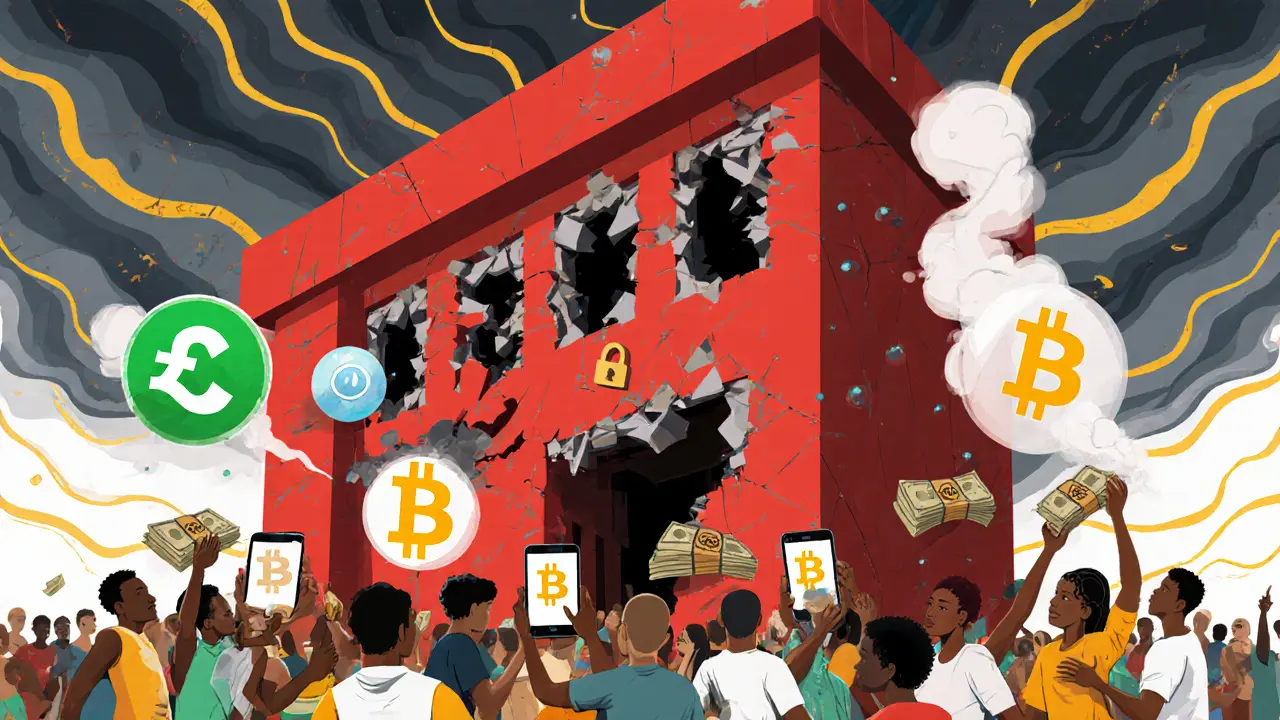
The Central Bank of Nigeria shifted from banning cryptocurrency in 2021 to fully regulating it by 2025. This article traces the policy evolution, key turning points, and how Nigeria now leads Africa in crypto regulation.
When you hear VASP Nigeria, a Virtual Asset Service Provider registered under Nigeria’s financial regulations. Also known as crypto exchange operator, it refers to any company or individual that facilitates crypto trading, custody, or transfers in Nigeria under the oversight of the Securities and Exchange Commission (SEC). This isn’t just paperwork—it’s a legal requirement that’s changing how millions buy, sell, and hold crypto in a country where peer-to-peer trading hit $59 billion in 2024.
VASP Nigeria ties directly to crypto regulation Nigeria, the official framework forcing exchanges and wallet providers to register, verify users, and report suspicious activity. Before VASP rules, Nigeria’s crypto scene ran mostly underground—no KYC, no reporting, no oversight. Now, platforms like CEX.IO and local exchanges must comply or shut down. But here’s the twist: while VASP registration makes it harder for shady operators to hide, it hasn’t slowed adoption. In fact, it’s pushed users toward more secure, transparent tools like non-custodial wallets and verified P2P platforms.
Related to this is VASP registration, the formal process where crypto businesses submit documents, proof of location, and compliance plans to Nigeria’s SEC. It’s not optional anymore. If you’re running a crypto business in Nigeria, you need this stamp. For users, it means fewer scams—but also more hurdles. You can’t just sign up and start trading anymore. You need ID verification, transaction limits, and sometimes even proof of income. That’s why many still turn to decentralized exchanges or use friends’ accounts to bypass the system. But the trade-off is real: safer transactions, less risk of frozen funds, and clearer legal standing if something goes wrong.
The rise of VASP Nigeria also highlights a deeper tension: between financial control and financial freedom. The government wants to track every crypto move to fight money laundering. But for millions of Nigerians, crypto isn’t speculation—it’s survival. With banks blocking remittances and inflation eating salaries, P2P crypto became the only reliable way to send money home or buy dollars. VASP rules don’t change that need. They just force it into a more regulated box.
What you’ll find below is a collection of real stories and breakdowns about how VASP Nigeria affects everyday users, what exchanges are still active, and which crypto services got shut down because they refused to play by the new rules. You’ll see how people are adapting, what tools still work, and where the real risks lie—not just in regulation, but in fake platforms pretending to be compliant. This isn’t theory. It’s what’s happening right now, on the ground, in Lagos, Abuja, and beyond.
The Central Bank of Nigeria shifted from banning cryptocurrency in 2021 to fully regulating it by 2025. This article traces the policy evolution, key turning points, and how Nigeria now leads Africa in crypto regulation.