Thailand Bans Foreign P2P Crypto Platforms in 2025 - What You Need to Know
 Jun, 20 2025
Thailand Crypto Penalty Calculator
Calculate Your Penalty Risk
This calculator estimates potential penalties for operating unlicensed crypto platforms in Thailand based on Thailand's Digital Asset Business Act.
0 years
10+ years
0 million
1,000 million
0 users
1,000+ users
On June 28, 2025, five major foreign cryptocurrency platforms vanished from Thailand’s internet. Bybit, OKX, CoinEx, 1000X, and XT.COM were suddenly inaccessible to users inside the country. No warning. No grace period beyond a one-month notice. Just a government order, enforced by the Ministry of Digital Economy and Society, that cut off access without a court ruling. This wasn’t a glitch. It was the final step in Thailand’s most aggressive crypto crackdown yet.
Why Thailand Targeted Foreign P2P Platforms
Thailand didn’t ban crypto. It banned unlicensed foreign crypto platforms that operated without oversight. The goal? Stop money laundering, prevent scams, and protect ordinary people from losing life savings to offshore operators with no accountability. The Thai Securities and Exchange Commission (SEC) made it clear: if you’re a foreign crypto exchange and you’re marketing to Thai users - even through social media ads or Telegram groups - you need a license. No exceptions. Platforms like Bybit and OKX had been serving millions of Thai traders for years. But they never applied for a license. That made them illegal under Thailand’s Digital Asset Business Act. The crackdown wasn’t random. It followed a surge in crypto-related fraud. Thai police reported over 12,000 cases of digital asset scams in 2024, with losses exceeding 1.2 billion baht ($34 million USD). Many of those scams used P2P trading channels on unregulated foreign platforms to move money quickly, hide identities, and vanish before victims could act.How the Ban Was Enforced
The Thai government didn’t just ask ISPs to block sites. They gave the Ministry of Digital Economy and Society (MDES) the legal power to cut off access instantly. No judge needed. No appeals process. If the SEC flagged a platform as unlicensed, MDES could block it within hours. The blocking wasn’t just about websites. Mobile apps were pulled from local app stores. Payment processors stopped supporting transactions to those platforms. Even social media platforms like Facebook and LINE were required to remove ads promoting unlicensed exchanges. If a bank or telecom company failed to block scam-related transfers, they could be held legally responsible for the losses. The timing was deliberate. On May 29, 2025, the SEC announced the ban with a 30-day window for users to withdraw their funds. But for many, that wasn’t enough. Withdrawal limits kicked in. Withdrawal fees spiked. Some users couldn’t move their coins before the deadline. Others found their accounts frozen mid-process. The result? Panic, confusion, and a wave of complaints on Reddit and Thai Twitter.Who Got Blocked - And Why
The five platforms targeted weren’t chosen at random. They were the most popular among Thai traders - and the most likely to be used in scams.- Bybit: One of the top 5 global crypto exchanges by volume. Used heavily for derivatives and P2P trading in Thailand.
- OKX: Known for low fees and high leverage. Popular among younger traders.
- CoinEx: Focused on altcoins. Often used to trade obscure tokens linked to pump-and-dump schemes.
- 1000X: A lesser-known platform that became a hotspot for phishing scams targeting Thai users.
- XT.COM: Offered high-yield staking programs that turned out to be Ponzi-like structures.
Penalties for Breaking the Rules
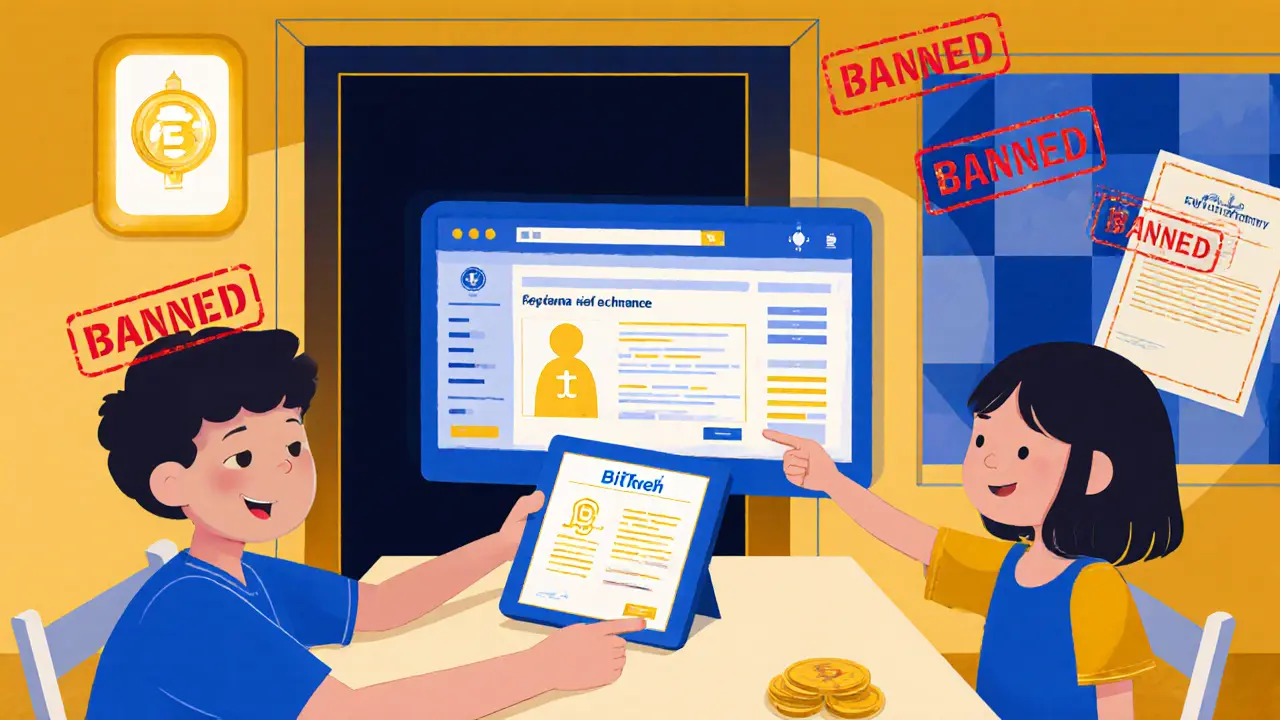
Operating an unlicensed crypto platform in Thailand now carries serious consequences.- Up to three years in prison
- Fines of up to 300,000 baht (about $8,700 USD)
- Both prison and fine can be applied at the same time
What’s Still Legal in Thailand
Crypto isn’t banned. Trading is still allowed - but only through licensed Thai platforms. There are currently 14 licensed digital asset exchanges in Thailand, including:- Bitkub
- Zipmex (Thailand)
- AssetBit
- Satang Pro
- Digital Asset Exchange (DAE) by Bangkok Bank
The Ripple Effect on Business and Payments
The ban didn’t just affect traders. It disrupted cross-border business. Thai companies that used to pay suppliers in India or Vietnam via P2P crypto transfers now face delays. They can’t send crypto directly. They must use licensed Thai exchanges as intermediaries - which means converting crypto to Thai baht, then sending via bank wire. That adds days to payments, extra fees, and more paperwork. One Thai tech startup that paid freelancers in Indonesia via USDT said their payment cycle went from 24 hours to 7 days. “We lost three clients because they couldn’t wait,” said one founder. “We’re switching to PayPal now - even though the fees are higher.” International crypto firms are also rethinking their strategy. Some are pulling out of Thailand entirely. Others are applying for licenses - but the process takes 6-12 months, requires a local office, and demands millions in capital reserves. Few are willing to pay that price.Public Reaction: Support and Outrage
Thai public opinion is split. Many older users and small business owners support the ban. “I lost 200,000 baht to a fake staking app last year,” said a retired teacher from Chiang Mai. “I’m glad they’re cleaning this up.” But younger traders and crypto enthusiasts are furious. “They didn’t warn us properly,” said a 22-year-old student in Bangkok who held $15,000 in OKX. “I couldn’t withdraw in time. My coins are stuck. I lost 30% in price drop while waiting.” Some users turned to VPNs to access blocked platforms - but that’s now illegal under Thailand’s Technology Crimes Decree. Authorities have started tracking VPN usage linked to crypto activity. Several users have been fined for bypassing the blocks.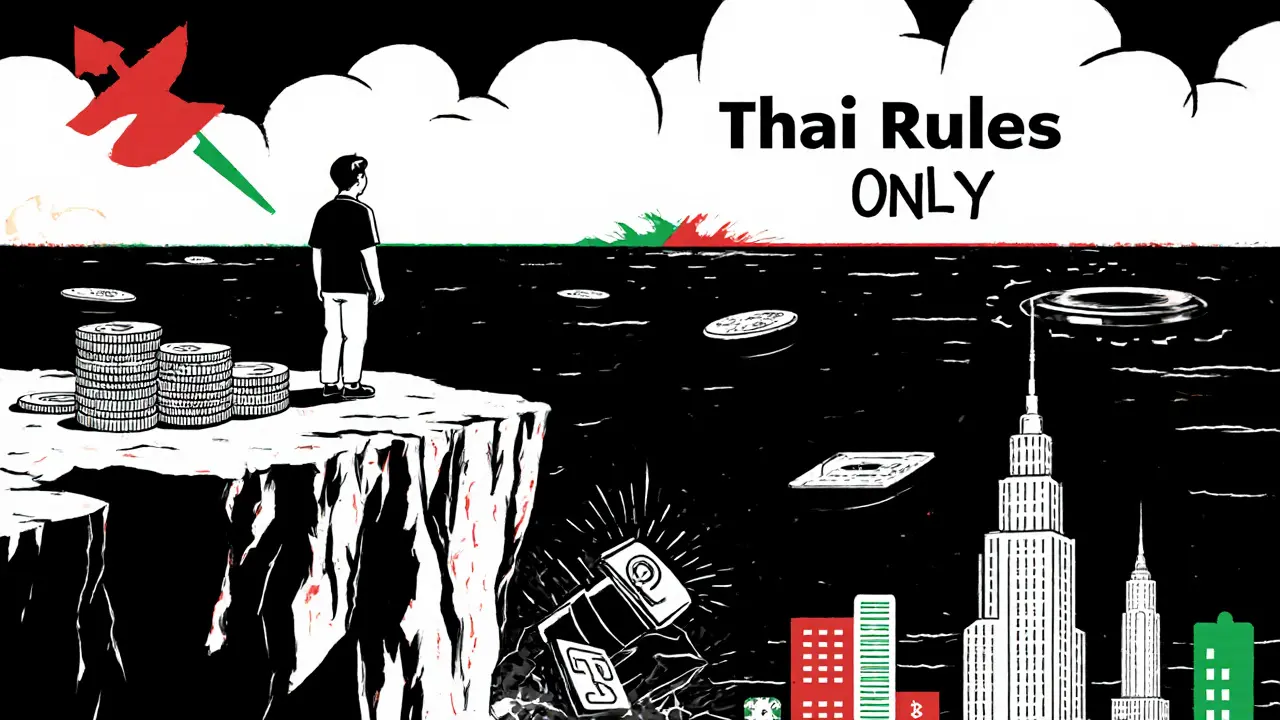
What’s Next for Thailand’s Crypto Scene
Thailand isn’t turning its back on blockchain. It’s just trying to control it. The government is building a blockchain-based securities trading platform for local companies. It’s testing digital IDs for crypto users. And it’s exploring a central bank digital currency (CBDC) for retail payments. The message is clear: innovation is welcome - but only if it’s Thai-controlled. Foreign platforms? Not welcome. No exceptions. Other Southeast Asian countries are watching closely. Indonesia and Vietnam are already reviewing their own crypto rules. If Thailand’s ban reduces fraud and increases investor confidence, others may copy it. For now, Thailand has drawn a line. If you want to trade crypto here, you play by Thai rules. No offshore shortcuts. No anonymous wallets. No unlicensed apps. And if you break the rules? You risk jail, fines, or both.What You Should Do If You’re Affected
If you’re a Thai resident who used one of the banned platforms:- Check your account status immediately - some users still have access to withdrawal functions through legacy systems.
- Transfer any remaining assets to a licensed Thai exchange like Bitkub or Satang Pro.
- Keep records of all transactions. If you lost funds, you may be able to file a complaint with the SEC’s Investor Protection Unit.
- Don’t use a VPN to access blocked platforms. It’s illegal and can lead to fines.
- Only trade on SEC-licensed exchanges. They’re slower, but they’re safe.
- Don’t market crypto services to Thai users unless you’re licensed.
- Don’t assume your platform is safe just because it’s big. If you’re not registered in Thailand, you’re breaking the law.
- Consider partnering with a licensed Thai exchange to offer services legally.
gurmukh bhambra
October 30, 2025 AT 11:14Sunny Kashyap
October 30, 2025 AT 17:15james mason
October 31, 2025 AT 13:50Anna Mitchell
October 31, 2025 AT 23:41Pranav Shimpi
November 2, 2025 AT 01:21jummy santh
November 2, 2025 AT 04:13Kirsten McCallum
November 3, 2025 AT 08:09Henry Gómez Lascarro
November 3, 2025 AT 14:56Will Barnwell
November 5, 2025 AT 06:40Lawrence rajini
November 6, 2025 AT 00:06Matt Zara
November 6, 2025 AT 12:39