Future of Tokenomics Design: Building Sustainable Crypto Economies in 2026
 Jun, 5 2026
Remember when a token’s value depended entirely on hype and the promise that it would "go to the moon"? Those days are gone. In 2026, if your tokenomics don’t have a clear economic engine, regulatory compliance, and real utility, they’re dead on arrival. The landscape has shifted from speculative gambling to sophisticated economic architecture. We are no longer just launching tokens; we are designing entire digital economies.
The future of Tokenomics Design isn't about manipulating supply to pump prices. It is about creating self-sustaining systems where value flows logically, users are genuinely incentivized, and risks are mitigated through code and governance. This shift is driven by three massive forces: the integration of real-world assets, the maturation of decentralized governance (DAOs), and the strict application of global regulations like the EU's MiCA framework.
From Speculation to Real-World Asset (RWA) Integration
The biggest change in tokenomics over the last two years is the bridge between digital tokens and physical reality. We call this Real-World Asset (RWA) tokenization. By mid-2025, this sector was already showing explosive growth, with projections hitting $1.5 trillion in market capitalization by 2030. What does this mean for design?
In the past, tokens were isolated digital items. Today, a token can represent ownership of a commercial building in London, a bond issued by a government, or even carbon credits. When you design tokenomics for RWAs, you cannot rely on viral marketing. You must design for yield stability, legal enforceability, and liquidity. The token becomes a financial instrument first and a community badge second.
This requires a new layer of trust. Smart contracts now handle fractional ownership and automatic dividend distributions. For example, if a token represents a share in a renewable energy farm, the tokenomics must automatically route revenue from electricity sales back to token holders. This creates a predictable demand driver that isn't subject to the whims of crypto Twitter. It anchors the token's value in tangible cash flow.
| Feature | Traditional Model (Pre-2024) | Future Model (2026+) |
|---|---|---|
| Primary Value Driver | Hype, scarcity, speculation | Utility, RWA yields, governance power |
| Supply Mechanism | Fixed cap or arbitrary burns | Dynamic rebasing based on protocol health |
| Regulatory Stance | Avoided or ignored | Built-in compliance (MiCA, SEC) |
| Governance | Centralized team decisions | DAO-driven with delegated voting |
| Risk Management | None / Community bear the loss | Insurance pools, circuit breakers |
The Regulatory Imperative: Compliance as a Feature
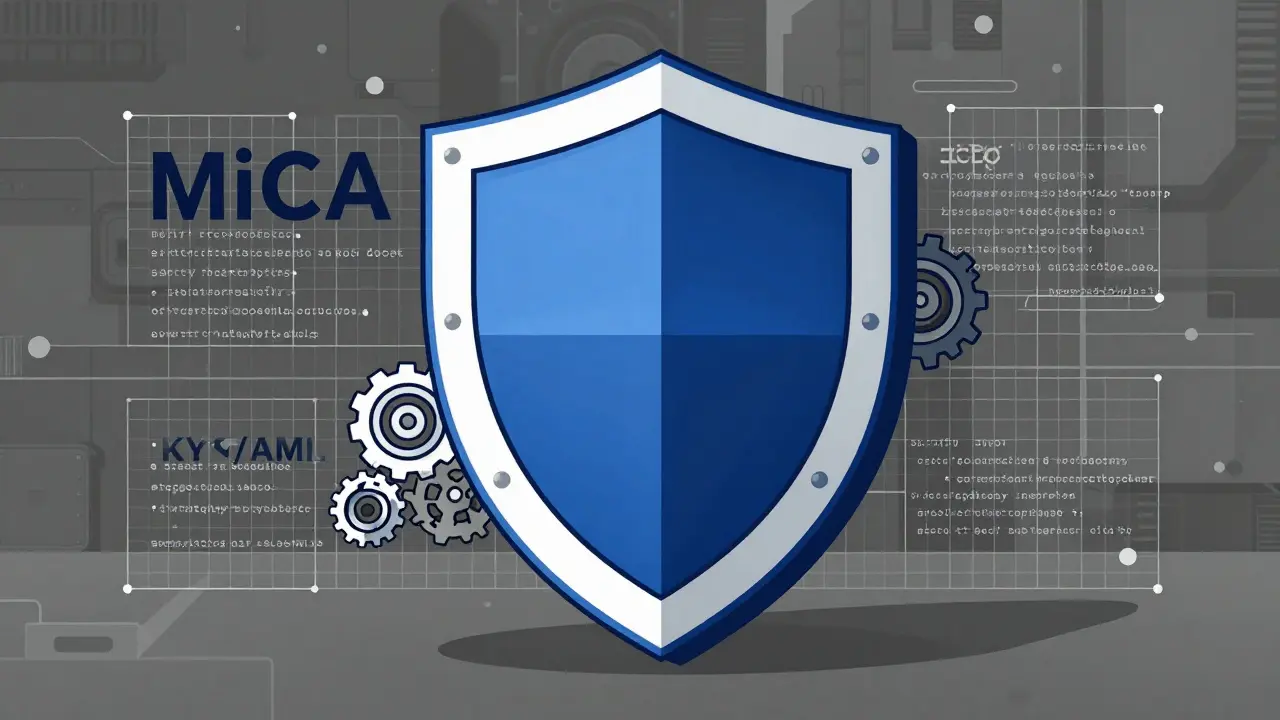
Let’s be blunt: ignoring regulation is no longer an option. With frameworks like the European Union’s Markets in Crypto-Assets (MiCA) fully operational and increased scrutiny from bodies like the US Securities and Exchange Commission (SEC), tokenomics designers must bake compliance into the code. This doesn’t kill innovation; it filters out the scams and builds institutional trust.
How do you design for compliance? First, consider the nature of the token. Is it a security? If so, your distribution mechanism must include Know Your Customer (KYC) and Anti-Money Laundering (AML) checks at the smart contract level. Second, transparency is non-negotiable. Audited smart contracts and public treasury reports are now baseline expectations, not differentiators.
Projects that embrace this gain a massive advantage. They become accessible to traditional finance players-pension funds, family offices, and banks-who previously stayed away due to regulatory ambiguity. When you design tokenomics that meet these standards, you aren't just avoiding fines; you are unlocking a deeper pool of capital. The "wild west" era is over, and the institutions are moving in.
Advanced Mechanisms: Beyond Simple Burns
Early tokenomics relied heavily on simple mechanisms like fixed maximum supplies or periodic token burns to create artificial scarcity. While burns still exist, they are rarely sufficient on their own. Modern designs use multi-mechanism coordination to maintain economic equilibrium.
Consider the concept of dynamic supply adjustment. Instead of a static burn rate, some protocols use soft rebasing mechanisms. If the network activity drops, the reward rate adjusts downward to prevent inflationary pressure. If adoption surges, rewards might increase to attract more validators or liquidity providers. This feedback loop keeps the economy stable without manual intervention.
Another key trend is the integration of fee sinks. A portion of transaction fees generated by the protocol is used to buy back and distribute tokens to stakers, rather than just burning them. This creates a direct link between protocol usage and holder rewards. The more people use the product, the more valuable holding the token becomes. This aligns the interests of users, developers, and investors perfectly.
DAO Governance and DeFi Convergence
Decentralized Autonomous Organizations (DAOs) have evolved from messy voting experiments into structured governance bodies. The future of DAO tokenomics lies in its convergence with Decentralized Finance (DeFi). Tokens are no longer just voting chips; they are productive assets.
Imagine holding a governance token for a lending protocol. In the past, you could vote on interest rates but earned nothing else. Today, that same token can be staked in a DeFi platform to earn yield farming rewards. This dual utility-governance power plus passive income-increases retention. Holders are less likely to sell because selling means losing both influence and income.
Cross-platform collaborations are also reshaping this space. DAOs are partnering with insurance protocols to cover smart contract risks, or with lending platforms to offer loans against governance tokens. These integrations create a web of utility that makes the token indispensable within the ecosystem. The goal is to make the token the key that unlocks access to a broader suite of financial services.
Liquid Restaking Tokens (LRTs): The New Frontier
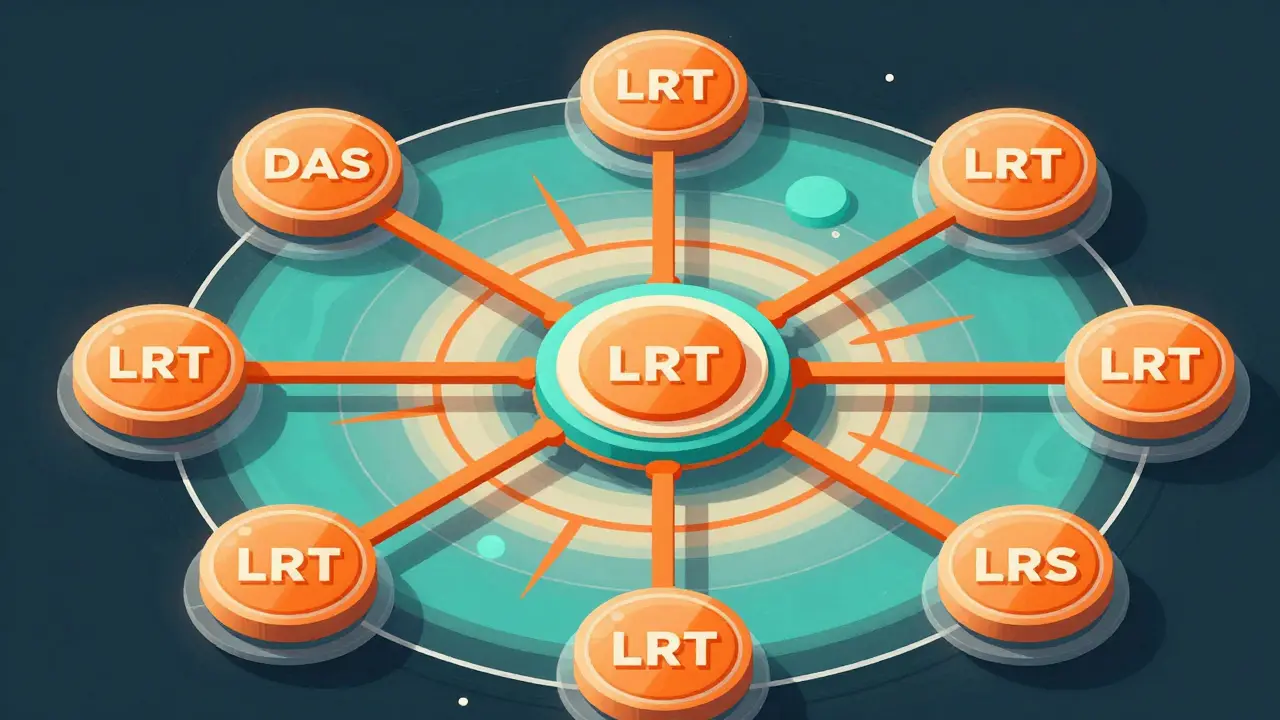
If you are looking at the cutting edge of 2026 tokenomics, you need to understand Liquid Restaking Tokens (LRTs). This concept emerged strongly in 2025 and represents a leap in capital efficiency. Traditionally, when you staked Ethereum, those assets were locked up and couldn't be used elsewhere. LRTs change that.
LRTs allow users to stake assets and receive a liquid receipt token that can be used in other DeFi applications while still securing the underlying blockchain. This creates a model of "pooled security." Assets secure not just one chain, but a web of interconnected services. For tokenomics designers, this introduces complex incentive structures. You must balance the rewards for securing the base layer with the yields offered by the secondary applications using the LRT.
The risk here is complexity. If the incentives are misaligned, users might arbitrage the system, draining liquidity from critical areas. Successful LRT designs use sophisticated algorithms to adjust yields dynamically, ensuring that enough capital remains committed to security while still offering competitive returns for liquidity provision. It’s a high-wire act, but the potential for scalability is enormous.
Sustainable Design Principles
To build a tokenomic system that lasts, you need to adhere to four core principles. These are not suggestions; they are requirements for survival in the current market.
- Continuous Value Generation: Your token must have a reason to exist beyond trading. Does it grant access to a service? Does it represent equity? Does it provide voting rights on significant funds? The value engine must run continuously, not just during launch hype.
- Risk Mitigation: Every smart contract has vulnerabilities. Your tokenomics should include safety nets. This could mean multi-signature wallets for treasury management, time-locks on large transactions, or integrated insurance pools that compensate users in case of exploits.
- Balanced Supply and Demand: Avoid hyperinflation by tying emission schedules to actual network usage. Ensure there are multiple use cases for the token (paying fees, staking, governance) to create consistent demand pressure.
- Transparent Governance: Trust is the most valuable currency. Use on-chain voting tools that are easy to audit. Allow for delegated voting so experts can help guide decisions, but ensure the process is open to all token holders.
Technical Risk Assessment
Finally, never underestimate technical risk. Tokenomics is only as good as the code that enforces it. Concentration of token ownership is a major red flag. If a small group holds 50% of the supply, decentralization is an illusion. Future designs must implement vesting schedules and caps on individual holdings to prevent centralization.
Security audits are mandatory, but they are not enough. Continuous monitoring and bug bounty programs are essential. The cost of a hack far outweighs the cost of prevention. When designing your economic model, assume that bad actors will try to exploit every loophole. Build your defenses accordingly.
What is the main difference between old and new tokenomics?
Old tokenomics focused on scarcity and speculation, often relying on hype to drive value. New tokenomics prioritize utility, regulatory compliance, and sustainable yield generation through real-world asset integration and robust governance structures.
How does MiCA affect tokenomics design?
MiCA requires transparent, compliant economic models. Designers must integrate KYC/AML checks, ensure clear disclosure of token rights, and avoid features that classify the token as an unregistered security, pushing projects toward greater standardization and trust.
What are Liquid Restaking Tokens (LRTs)?
LRTs are tokens received when you stake assets, allowing you to use those assets in other DeFi protocols while still contributing to blockchain security. They enable "pooled security" and higher capital efficiency but require complex incentive balancing.
Why is Real-World Asset (RWA) tokenization important?
RWA tokenization bridges traditional finance and blockchain, anchoring token value in tangible assets like real estate or bonds. This reduces volatility and attracts institutional investors by providing predictable yields and legal clarity.
How can DAOs improve their tokenomics?
DAOs can improve tokenomics by integrating with DeFi protocols to offer yield farming opportunities for governance tokens. This adds passive income utility to voting rights, increasing holder retention and active participation.