How NFT Marketplaces Verify Collections: Technical Protocols and Criteria
 May, 7 2026
Imagine spending thousands on a rare digital asset, only to discover it’s a fake copy of a popular project. This nightmare scenario is exactly why NFT marketplace verification exists. It acts as the primary shield against impersonation scams that have drained millions from investors. But how do platforms like OpenSea or LooksRare decide which collections get that coveted blue checkmark? The answer isn’t simple. There is no single global standard. Instead, each platform uses a unique mix of technical checks, volume thresholds, and manual reviews.
Understanding these protocols is crucial for creators trying to legitimize their work and buyers wanting to avoid fraud. In this guide, we break down the specific criteria major marketplaces use, the technical mechanisms behind them, and what you can do to navigate this opaque system effectively.
The Core Purpose: Trust vs. Endorsement
First, let’s clear up a common misconception. A verified badge does not mean the marketplace likes your art or thinks it will go up in value. As Alex Atallah, co-founder of OpenSea, stated in a March 2022 interview, "verification is about preventing scams, not endorsing projects." The primary goal is security. With Chainalysis reporting $142 million lost to NFT impersonation scams in 2022 alone, platforms need a way to signal legitimacy. Verification helps users distinguish between the official Bored Ape Yacht Club contract and a malicious clone designed to steal funds.
OpenSea: The Opaque Prestige Model
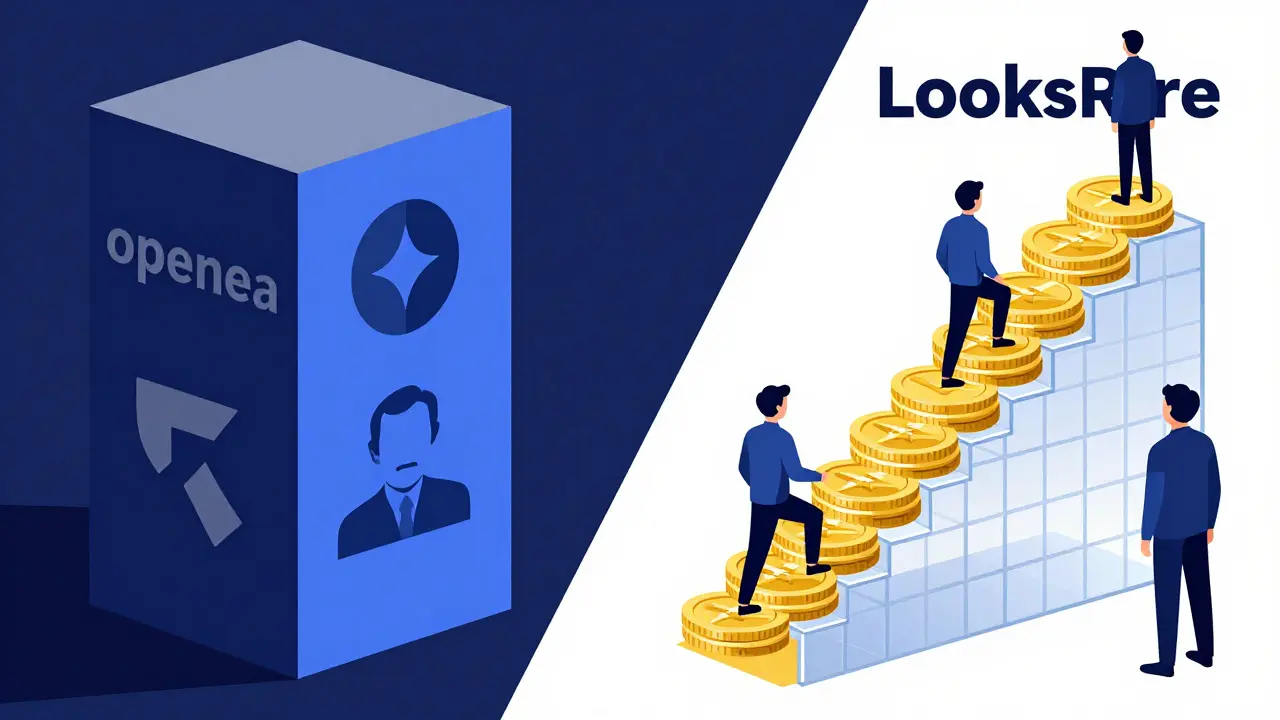
OpenSea, holding roughly 65% of the market share, treats verification like an exclusive club. Their process is notoriously difficult to predict. Unlike systems based on hard numbers, OpenSea relies heavily on qualitative factors. They look for media coverage, identifiable founders, and strong community presence. Think of it like Instagram’s early blue check system-it’s about reputation.
For most creators, this means rejection. Surveys suggest success rates are below 5%. Even if you have high trading volume, you might still be denied if you lack press mentions or public founder identities. The processing time is also unpredictable, with community reports indicating waits of 4 to 12 weeks. However, getting that checkmark carries significant weight due to OpenSea’s massive user base of over 1.4 million monthly active users.
LooksRare: The Volume-Based Objective System
In contrast, LooksRare offers a more transparent, albeit economically exclusionary, path. Their system is built on concrete metrics. To request verification, a collection must meet one of three criteria:
- Legitimacy: Manual review confirms the collection isn’t impersonating another.
- High Volume: Accumulate at least 250 ETH in trading volume on LooksRare, or 500 ETH across the broader NFT ecosystem (excluding private sales).
- Notable Status: Affiliation with high-profile public figures or cultural relevance.
This approach appeals to those who dislike subjectivity. If you hit the number, you qualify. However, it disadvantages new projects. According to the NFT Creator Alliance, 92% of collections failing to meet these thresholds were less than six months old. For established projects, though, the process is fast-typically 3 to 7 business days-and fair, with 74% of users rating it as transparent.
Technical Mechanisms: Behind the Scenes
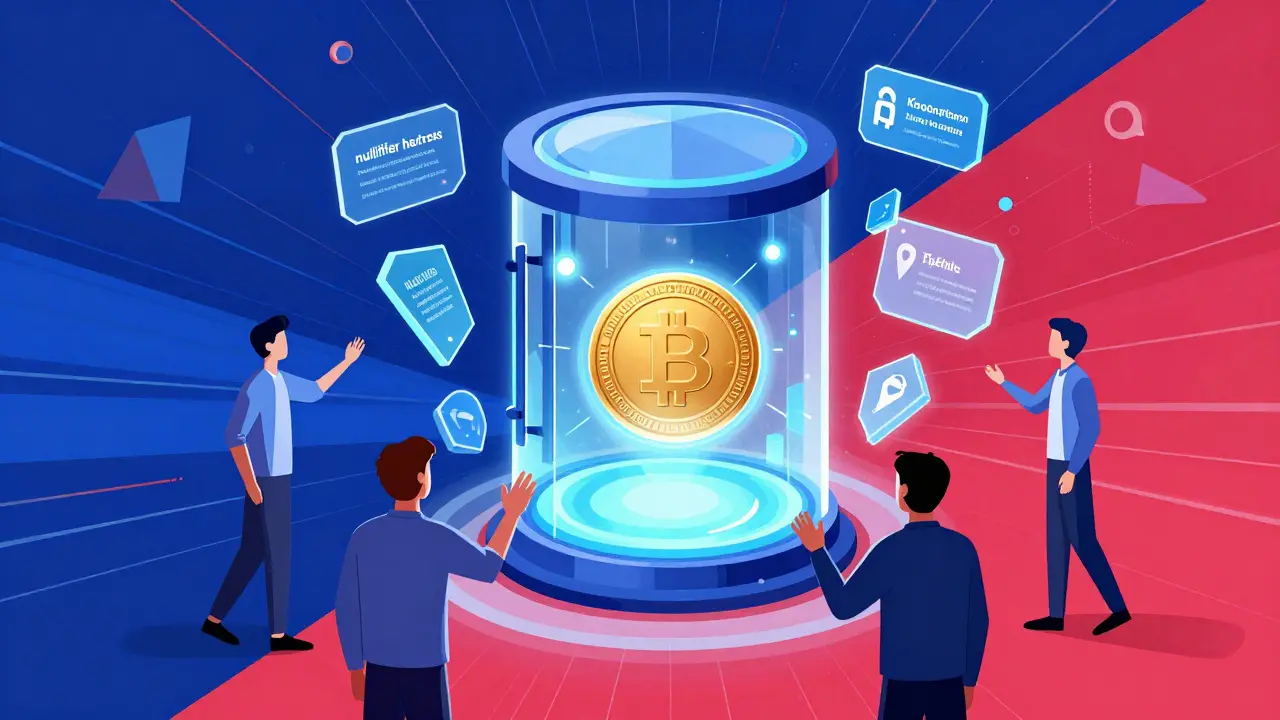
Beyond manual reviews, some platforms and developers are exploring cryptographic solutions. The Ethereum Research community has proposed using zero-knowledge proofs (ZKPs) for privacy-focused verification. This method involves validating cryptographic parameters like Collection Address, Token ID, and Nullifier Hashes to prevent double-spending without revealing sensitive data. While technically superior, this complexity makes it difficult for mainstream adoption right now.
For developers building tools, services like Moralis provide APIs to programmatically access verified collection data. This allows third-party apps to display verification status automatically, adding another layer of trust outside the marketplace interface itself.
| Platform | Primary Criteria | Processing Time | Transparency |
|---|---|---|---|
| OpenSea | Media, Founders, Reputation | 4-12 Weeks | Low (Opaque) |
| LooksRare | 250+ ETH Volume or Legitimacy | 3-7 Days | High (Objective) |
| Blur | Documentation Submission | Undisclosed | Medium |
Challenges and Criticisms
No system is perfect. Dr. Sarah Jamie Lewis, a cryptography researcher, argues that relying on manual verification creates single points of failure that don’t scale with the thousands of new collections minted daily. Furthermore, verification doesn’t eliminate all risks. Analysts at Nansen found that verified collections actually showed a 22% higher incidence of wash trading, suggesting bad actors can exploit the badge to artificially inflate volume.
Regulatory pressure is also changing the landscape. The SEC’s enforcement action against Stoner Cats in February 2023 highlighted the need for better authentication. Industry analysts predict that by 2025, 70% of major platforms will implement standardized protocols compliant with EU MiCA regulations, moving away from fragmented, platform-specific rules.
Practical Steps for Creators
If you’re a creator seeking verification, start by documenting everything. Keep records of your social media accounts, website ownership, and any press coverage. For platforms like LooksRare, focus on organic growth to hit volume thresholds naturally. Avoid buying bots, as this can lead to bans. For OpenSea, invest in PR. Get featured in reputable crypto news outlets and ensure your team’s identities are publicly linked to the project. Patience is key; rejections are common even for legitimate projects.
The Future of Verification
We are moving toward hybrid models. The industry consensus, reflected in the Allium NFT Standards Group white paper, suggests combining volume metrics, technical validation, and manual review. Decentralized identity solutions, like ENS domains linked to wallets, may eventually allow holders to self-verify authenticity without relying solely on marketplace badges. Until then, understanding each platform’s specific rules remains your best defense against fraud.
Does a verified badge guarantee an NFT is safe?
No. Verification primarily prevents impersonation scams by confirming the collection's identity. It does not guarantee the artistic quality, future value, or absence of other fraudulent activities like wash trading. Always do your own research beyond the badge.
How much ETH volume is needed for LooksRare verification?
You need 250 ETH in trading volume specifically on LooksRare, or 500 ETH across the entire NFT ecosystem excluding private sales. Private sales do not count toward this threshold.
Why is OpenSea verification so difficult to get?
OpenSea uses a subjective, reputation-based model similar to early Instagram verification. They prioritize projects with significant media coverage, identifiable founders, and large communities, leading to a low acceptance rate of under 5%.
Can I appeal a rejected verification application?
Most platforms do not offer formal appeals. If rejected, you typically need to improve your metrics (like volume or press coverage) and reapply after a certain period. Check the specific support documentation of the platform for their current policy.
What is the role of zero-knowledge proofs in NFT verification?
Zero-knowledge proofs (ZKPs) are a proposed technical solution that allows for privacy-preserving verification. They validate transaction integrity and ownership without revealing sensitive user data, though they are not yet widely implemented due to complexity and gas costs.