International Exchange Licensing: A Guide to Crypto and Forex Regulations
 Nov, 11 2026
You’re staring at a regulatory document that feels like it was written in ancient Greek. You want to launch a trading platform or expand your fintech startup across borders, but you’re stuck on one phrase: international exchange licensing. Is this about swapping currencies? Or is it about selling software rights globally? The confusion is real, and getting it wrong can cost you months of legal fees and lost revenue.
Here’s the hard truth: "International Exchange Licensing" isn’t a single thing. It’s a mashup of two distinct regulatory beasts. One governs how you trade money (Foreign Exchange or FOREX). The other governs how you trade intellectual property (International Business Licensing). In the blockchain world, we often blur these lines because crypto exchanges sit right in the middle-they handle currency swaps AND proprietary technology. If you’re building in Edinburgh, London, or Singapore, understanding which license you actually need is the difference between operating legally and getting shut down by regulators.
The Two Faces of Exchange Licensing
Let’s clear the fog. When people say "exchange licensing," they usually mean one of two things:
- FOREX/Crypto Trading Licenses: This is permission from a central bank or financial authority to accept deposits and execute trades for clients. Think of it as a driver’s license for moving money.
- IP/Business Licensing: This is a contract where Company A lets Company B use its brand, tech, or patents in another country for a fee. Think of it as renting out your kitchen to someone else to cook their meals.
In the traditional finance world, these are totally separate. But in blockchain, they overlap. Your crypto exchange might hold a FOREX-style license to move fiat currency, while simultaneously licensing its white-label trading engine to partners in Asia. Confusing them leads to bad business models. Let’s break down each side so you know exactly what you’re signing up for.
FOREX and Crypto: The Regulatory Heavyweight
If you’re running an exchange that touches fiat currency-whether it’s USD, EUR, or GBP-you’re playing in the regulatory big leagues. Central banks don’t take kindly to unlicensed entities moving billions in digital assets. According to recent regulatory frameworks documented by firms like Kraemer Law, obtaining a foreign exchange license requires proving you have the cash to back your promises.
What does this actually look like in practice?
- Minimum Capital Requirements: You can’t just open shop with $10k. Jurisdictions like the UK’s FCA or Singapore’s MAS require substantial capital reserves. For example, some EU licenses demand initial capital ranging from €730,000 to €750,000 depending on the service type.
- Fit and Proper Criteria: Regulators vet your directors. Did you run a shady hedge fund in 2018? That might disqualify you. They check criminal records, professional history, and even your personal credit score.
- Ongoing Audits: Getting the license is just step one. Licensed businesses face regular audits and reporting requirements. As noted by ARIDAN Support, these checks ensure you aren’t hiding risky bets behind a clean interface.
For blockchain projects, this is painful. Traditional FOREX rules weren’t built for decentralized networks. Yet, if you offer custodial services (holding users’ keys), you’re treated like a bank. The approval timeline? Expect 6 to 9 months. And here’s the kicker: failure rates for applicants without prior compliance experience exceed 30%. It’s not just paperwork; it’s a survival test.
| Feature | FOREX/Crypto License | IP/Business Licensing |
|---|---|---|
| Primary Goal | Legal operation of money movement | Revenue from technology/brand usage |
| Regulator | Central Bank / Financial Authority | Contractual Agreement (Private) |
| Upfront Cost | High (Capital + Legal Fees) | Low to Medium (Negotiation Fees) |
| Time to Launch | 6-12 Months | 1-3 Months |
| Risk Factor | Regulatory Shutdown | Partner Mismanagement |
International Business Licensing: The Low-Capital Expansion Route
Now, let’s flip the script. What if you’ve built an amazing blockchain protocol or a sleek trading UI, but you don’t want to navigate the regulatory maze of every single country? Enter International Business Licensing. This strategy lets you expand globally without setting up physical offices or holding local banking licenses yourself.
Licensing is defined as a business arrangement where one company gives another permission to manufacture or operate using its product for a specified payment. In the digital age, this means licensing your code, your brand, or your algorithm. The Walt Disney Company’s 100-year deal with Oriental Land Company for Tokyo Disneyland is the gold standard here. Disney didn’t build the park; they licensed the IP and took a cut of the profits.
Why do blockchain startups love this model?
- Zero Manufacturing Risk: You don’t build factories or hire local staff. The licensee handles production, distribution, and marketing.
- Market Access: Some countries block direct foreign investment. Licensing bypasses trade restrictions by partnering with local entities.
- Passive Income: Royalties typically range from 5% to 15% of sales. It’s clean revenue, assuming your partner doesn’t screw up.
However, there’s a dark side. If you license your tech to a sloppy partner, your brand suffers. Imagine your high-end crypto wallet app being rebranded and sold by a low-quality firm in a new market. Users blame you, not them. Quality control agreements are non-negotiable.

The Blockchain Intersection: Where Worlds Collide
This is where things get interesting for us. Blockchain technology is starting to bridge the gap between these two licensing types. Traditionally, tracking royalties across borders was a nightmare of spreadsheets and delayed payments. Now, smart contracts automate this.
Consider the rise of tokenized licensing. Instead of waiting for quarterly royalty checks, a blockchain-based system can distribute payments instantly whenever a transaction occurs. This transparency reduces disputes-a major pain point in traditional international licensing. According to industry analyses, enhanced digital tracking through blockchain improves transparency significantly, making cross-border deals smoother.
Moreover, DeFi (Decentralized Finance) is challenging the need for traditional FOREX licenses. If a protocol allows peer-to-peer swaps without holding user funds, does it need a central bank license? Regulators are still figuring this out. In jurisdictions like Switzerland or Malta, specific "technology-neutral" laws allow certain entities to operate under exemptions. But be careful: if you touch fiat on-ramps, you’re back in the regulatory soup.
Strategic Decision-Making: Which Path Fits You?
So, how do you choose? It depends on your resources and risk tolerance. Here’s a quick heuristic:
- Choose FOREX Licensing if: You want full control over user funds, you have deep pockets ($1M+ capital), and you aim to be a primary liquidity provider in major markets like the US, UK, or EU.
- Choose IP Licensing if: You are asset-light, your value is in your tech or brand, and you want to enter restrictive markets quickly without heavy regulatory overhead.
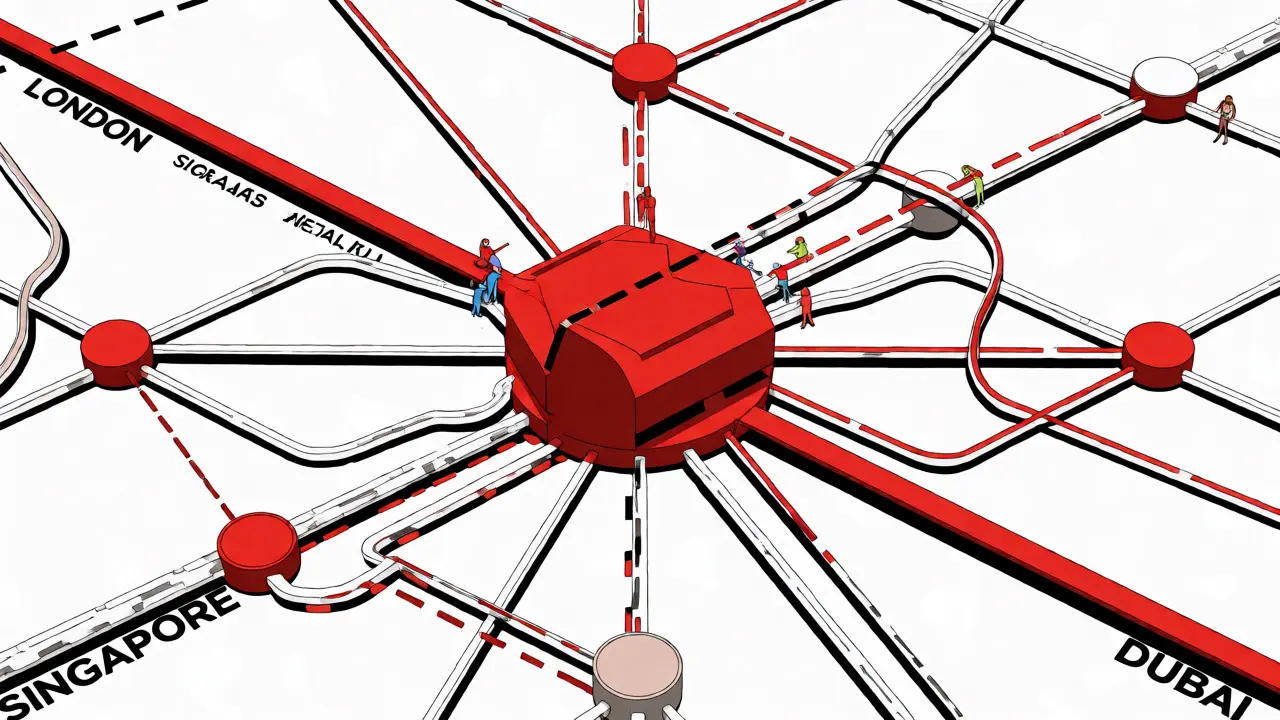
A hybrid approach is also common. Many large exchanges start with a license in one friendly jurisdiction (like Singapore or Dubai) and then license their technology to regional partners who handle local compliance. This splits the burden: you provide the tech, they provide the regulatory shield.
Pitfalls to Avoid
Don’t assume a license in one country covers you everywhere. The European Union has passporting rights, allowing a license from one member state to work across others. But outside the EU? You’re on your own. China, for instance, has strict controls on foreign exchange and prohibits many crypto activities entirely. Trying to apply Western licensing logic there is a recipe for disaster.
Another trap is underestimating the "fit and proper" test. Regulators look at your entire network. If your co-founder was involved in a failed ICO scandal, expect scrutiny. Document everything early. Clean books, clear governance structures, and transparent ownership chains are your best friends.
Finally, watch out for scope creep. Startups often try to offer too many services before securing the right tier of license. Offering custody when you only have a brokerage license can lead to fines. Know your limits.
Frequently Asked Questions
Do I need a license to run a crypto exchange?
Yes, if you handle customer funds or facilitate fiat transactions. Most jurisdictions require registration or a full license to prevent money laundering and protect consumers. Purely decentralized protocols may fall into gray areas, but centralized exchanges definitely need authorization.
How long does it take to get an international exchange license?
It varies by jurisdiction. On average, expect 6 to 9 months for major hubs like the UK or Singapore. Faster options exist in places like Seychelles or St. Vincent, taking 4-8 weeks, but these come with lower prestige and potentially higher banking difficulties.
Can I license my blockchain technology instead of getting a financial license?
Absolutely. This is known as IP licensing. You allow local partners to use your tech stack while they handle the regulatory compliance and customer funds. This lowers your barrier to entry but requires strong contractual protections for your brand and quality standards.
What is the minimum capital required for a FOREX license?
It depends on the country. In the EU, it can range from €730,000 to €750,000 for larger operations. In offshore jurisdictions, it might be as low as $100,000 to $250,000. Always check the specific central bank guidelines for your target market.
Does blockchain eliminate the need for traditional licensing?
Not yet. While DeFi reduces some friction, regulators still enforce KYC (Know Your Customer) and AML (Anti-Money Laundering) rules on entities touching fiat. Blockchain helps with transparency and audit trails, but it doesn't exempt you from consumer protection laws.