Liquidity Lock and Rug Pull Prevention: A Complete Guide to DeFi Security
 Aug, 9 2026
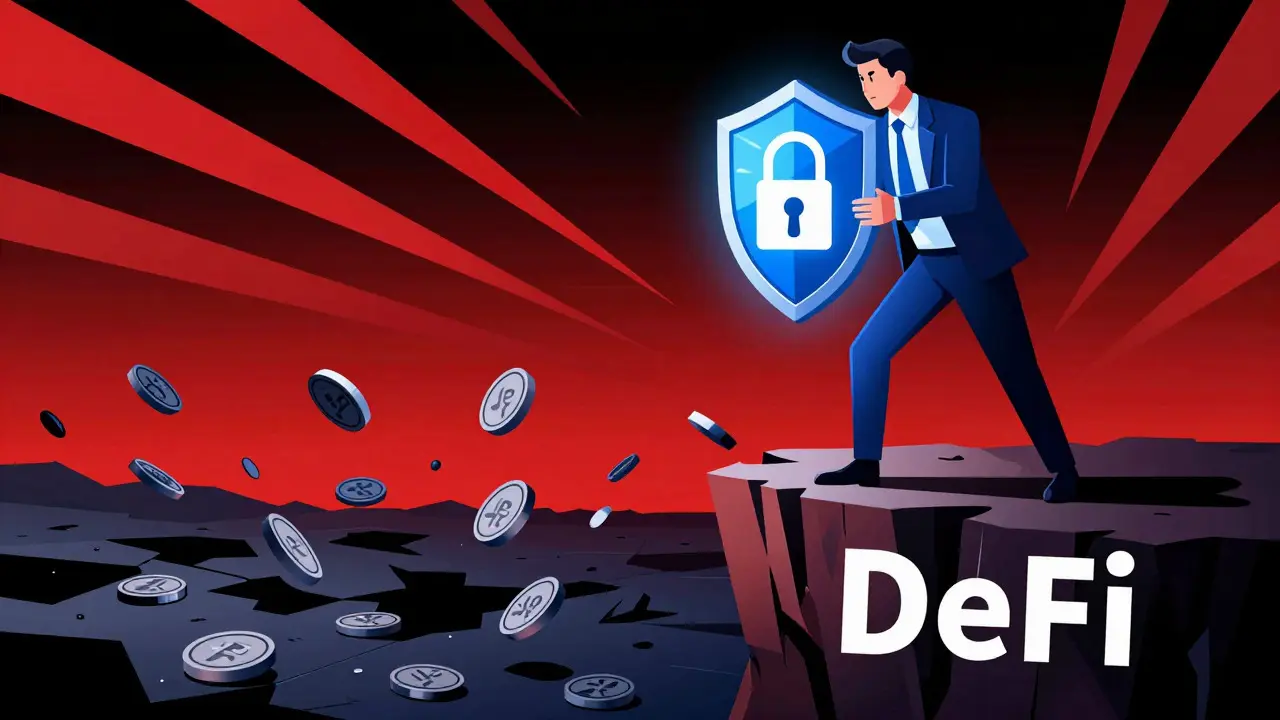
Imagine you’ve just bought into a promising new cryptocurrency. The chart is green, the community is buzzing, and you’re ready for gains. Then, overnight, the price crashes to zero. The liquidity is gone. The developers have vanished. You’ve been rug-pulled. This nightmare scenario was the norm in early Decentralized Finance (DeFi), but today, there is a primary shield against it: the Liquidity Lock is a security mechanism that secures liquidity pool tokens in tamper-proof smart contracts for predetermined periods to prevent market manipulation and rug pulls. Understanding how this works isn't just nice-to-have knowledge; it’s the difference between keeping your capital and losing it all.
What Is a Liquidity Lock and Why Does It Matter?
To understand the lock, you first need to understand the pool. When a developer launches a token on a decentralized exchange like Uniswap or PancakeSwap, they don’t just list the token. They create a liquidity pool by pairing their new token with an established asset, such as Ethereum (ETH) or Binance Coin (BNB). In return, they receive Liquidity Provider (LP) tokens. These LP tokens are the keys to the kingdom-they represent ownership of that pool. If someone holds the LP tokens, they can withdraw the ETH or BNB backing the project at any time.
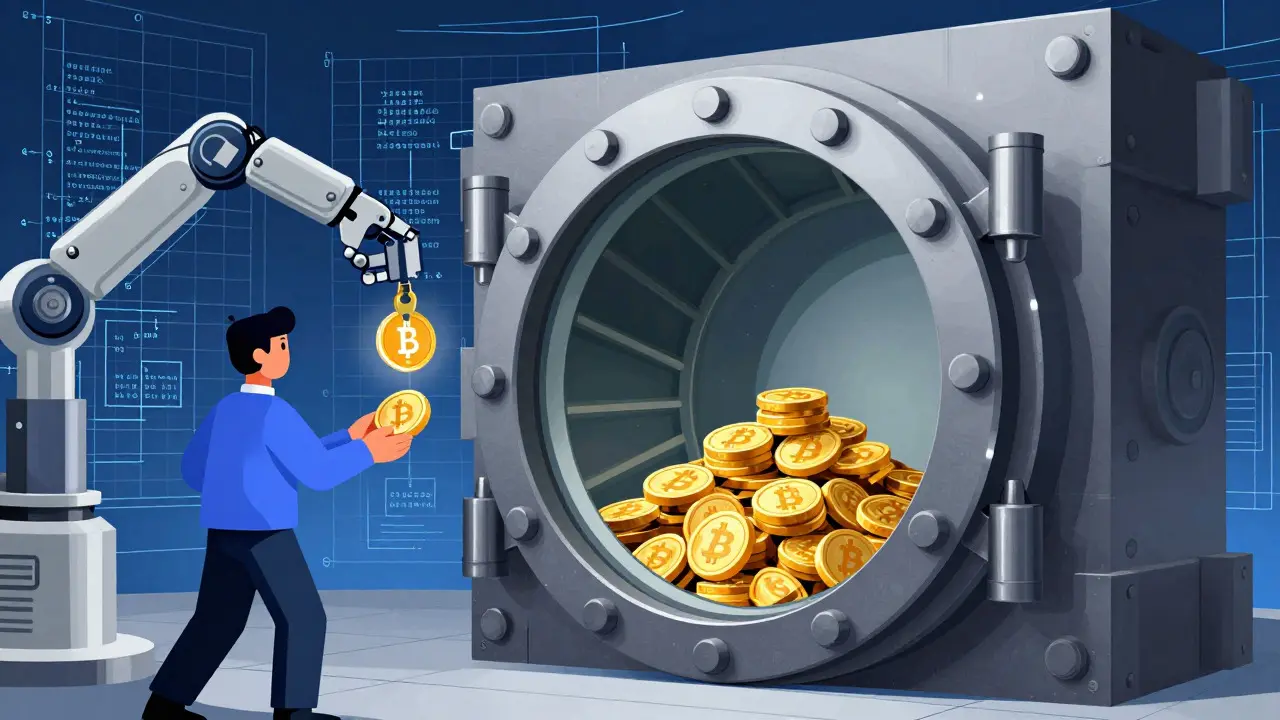
A liquidity lock takes those LP tokens and deposits them into a separate, immutable smart contract. Think of it like putting your house keys in a safe deposit box that only opens after a set date. During this period, even the developer cannot access the funds. This prevents the classic "rug pull," where creators drain the pool and run. According to Chainalysis, over 1,300 rug pulls occurred in 2021 alone, stealing billions. Since then, locking has become the industry standard for trust. Projects with locked liquidity see significantly lower volatility and higher investor confidence because the exit door is literally locked shut.
How Liquidity Locks Work Technically
The process is straightforward but relies heavily on blockchain immutability. Here is the step-by-step flow:
- Add Liquidity: Developers add tokens and base assets (like ETH) to a DEX pool.
- Receive LP Tokens: The DEX issues LP tokens representing that share of the pool.
- Transfer to Lock Contract: Instead of keeping these LP tokens in a personal wallet, the developer sends them to a specialized locking service.
- Set Parameters: The developer chooses a duration (e.g., 6 months, 1 year) or specific milestones.
- Lock Confirmation: The smart contract accepts the tokens and disables withdrawal functions until the condition is met.
Most locks are time-based, accounting for about 85% of implementations. Others might be milestone-based, unlocking only when certain development goals are hit. The key here is that the code governing the lock is usually open-source and verified on explorers like Etherscan or BscScan. This transparency allows anyone to verify that the lock is real and not a fake screenshot.
Top Liquidity Lock Providers
You don’t build your own lock contract from scratch unless you’re an expert. Most projects use third-party services that specialize in this security layer. Here are the major players in the space:
| Provider | Supported Chains | Service Fee | Key Feature |
|---|---|---|---|
| Team Finance | 15+ (Ethereum, BSC, Polygon, Kaia) | 1-2% | Multi-chain leader, high volume |
| UNCX Network | 9 chains | 0.5% | Lower fees, strong verification |
| SolidProof | Multiple EVM chains | Variable | Integrated auditing and locking |
Team Finance is currently the most widely used, serving thousands of projects across numerous blockchains. UNCX offers a cheaper alternative if you’re on one of its supported networks. SolidProof combines locking with security audits, providing a double layer of assurance. Regardless of the provider, always check their official website directly-never trust a link from a Telegram group.
Beyond the Lock: Comprehensive Rug Pull Prevention
Here is the hard truth: a liquidity lock is necessary, but it is not sufficient. Savvy scammers know this. They will lock their liquidity to look legitimate while hiding other traps in the code. To truly protect yourself, you need to look beyond the lock status.
- Contract Ownership Renouncement: If the developer still owns the contract, they can pause trading, blacklist addresses, or mint new tokens. Renouncing ownership means giving up control forever. Only about 37% of projects do this properly.
- Anti-Mint Functions: Ensure the token supply is fixed. Scammers have executed "soft rug pulls" by locking liquidity but then minting billions of new tokens to dump on holders, crashing the price without touching the pool.
- Max Transaction Limits: Check if there are caps on buy/sell amounts. High limits allow whales (or the dev) to manipulate the price easily.
- Third-Party Audits: A lock doesn’t fix bad code. Look for audits from reputable firms. While not foolproof, an audit reduces the risk of hidden backdoors.
Dr. Garrick Hileman from Blockchain.com notes that projects without locked liquidity should be considered high-risk. But Mikhail Kalinin, a security researcher, adds that investors must also verify contract renouncement. Both conditions together create a much safer environment.
Red Flags: Spotting Fake Locks and Scams
Scammers are creative. One common trick is the "fake lock." They take a screenshot of a Team Finance dashboard showing a locked token, edit it in Photoshop, and post it in their Telegram channel. How do you spot this?
Always verify on-chain. Go to the official website of the lock provider (e.g., team.finance). Paste the token address into their search bar. If it shows up with a valid transaction hash and unlock date, it’s real. If it says "not found," the screenshot is likely fake. In mid-2023, nearly 18% of new token launches featured some form of forged verification badge. Don’t be part of that statistic.
Another red flag is a short lock duration. A 3-month lock might sound secure, but many scams happen within weeks. Industry guidelines suggest a minimum of 6 months, ideally 12 months or more. PancakeSwap now mandates 51% liquidity locked for 12 months for new listings. Use exchange standards as your baseline for trust.

Costs and Practical Considerations
Locking liquidity costs money. On Ethereum, gas fees plus service fees can range from $25 to $125 per lock. On Binance Smart Chain (BSC), it’s cheaper, typically $12 to $50. For small micro-caps, this cost is negligible. For larger projects, it’s a worthwhile investment in credibility. Remember, paying for a lock signals to investors that the team has skin in the game and intends to stay long-term.
Also, consider the tax implications. In some jurisdictions, interacting with smart contracts can trigger taxable events. Consult a local tax professional before making large moves in DeFi.
The Future of Liquidity Security
The technology is evolving. We are seeing the rise of multi-signature locks, where releasing funds requires approval from multiple parties, including community representatives. There are also proposals for dynamic locks that adjust based on project milestones. By 2025, analysts expect 95% of legitimate token launches to implement verifiable, long-term liquidity locks. As regulatory bodies like the SEC scrutinize DeFi, these transparent mechanisms will likely become mandatory rather than optional.
For now, the burden of due diligence remains on you. Use tools, verify on-chain, and never invest more than you can afford to lose. The lock is a powerful tool, but it’s just one piece of the puzzle.
Is a liquidity lock a guarantee against rug pulls?
No. A liquidity lock only prevents the withdrawal of funds from the liquidity pool. Developers can still rug pull by minting infinite tokens, pausing contracts, or manipulating prices through honeypot mechanics. Always combine lock verification with contract audits and ownership renouncement checks.
How do I verify if a token's liquidity is actually locked?
Never trust screenshots. Go directly to the website of the lock provider mentioned by the project (e.g., Team Finance, UNCX). Enter the token's contract address in their search tool. If the token appears with a valid transaction ID and unlock date, it is verified on-chain.
What is the ideal duration for a liquidity lock?
Industry best practice suggests a minimum of 6 months, with 12 months or longer being preferred. Shorter locks (1-3 months) offer less security and are often viewed skeptically by serious investors. Major exchanges like PancakeSwap require 12-month locks for new listings.
Can developers remove liquidity before the lock expires?
Generally, no. Once LP tokens are sent to a trusted locking smart contract, they are inaccessible until the predetermined time or milestone is reached. However, ensure you are using a reputable lock provider, as buggy or malicious lock contracts themselves could pose risks.
What is the difference between a liquidity lock and contract renouncement?
A liquidity lock secures the funds in the trading pool, preventing immediate cash-outs. Contract renouncement removes the developer's administrative privileges, preventing them from changing the code, minting new tokens, or blacklisting users. Both are critical for maximum security.
Carl Michaud
August 10, 2026 AT 21:21Another day, another article trying to convince the retail sheep that the casino is rigged in their favor but somehow 'safe' if they check the lock. 🙄 The entire premise of DeFi security is a joke because the smart contracts themselves are written by interns on caffeine binges. You think a liquidity lock stops a rug? Please. They just mint infinite tokens and dump on you while the pool sits there looking pretty and locked. It’s all theater for the masses who don’t understand code.
Rita Dutta
August 11, 2026 AT 02:04Oh wow, so basically its like putting your money in a vault but the bank can still steal it from the back door 😂 I feel like we are living in a simulation where everyone pretends to know blockchain but really just guessing. The philosophical implication of 'trustless' systems is ironic when you have to trust the auditor who might be paid off by the dev team anyway. It's a beautiful tragedy really.
Eric Zehr
August 12, 2026 AT 14:52Great point about the minting function though! It is easy to get tunnel vision on the LP lock and forget about the contract permissions. I always double-check for renouncement before I even look at the chart. It gives me peace of mind knowing the devs can't pull a fast one with new supply. Keep doing your due diligence, folks!
Namrata Mapgaonkar
August 13, 2026 AT 05:09i usually just look at the community vibes tbh :P if the telegram is active and people are happy i assume its safe lol. checking contracts is too hard for me honestly. maybe next year i will learn more about these locks. thanks for the info tho!
Matt Kay
August 14, 2026 AT 17:56boring read. too much text. just tell me which coin to buy.
Dominic Greco
August 15, 2026 AT 22:22The SEC is watching 👀 They want you to lose your money so they can step in as the 'saviors'. Liquidity locks are just a delay tactic for the inevitable government crackdown on crypto freedom. Don't let them trick you into thinking you're safe in this digital prison. Wake up sheeple! 🔥🔥
Prudence Flemming
August 17, 2026 AT 08:02the epistemological crisis of verifying truth on-chain is fascinating. we rely on oracles and audits which are themselves subjective human inputs wrapped in code. the lock is a symbol not a guarantee. jargon aside, the market is efficient enough to punish bad actors eventually but short term pain is real. existential dread included.
Sus Sawyer
August 19, 2026 AT 05:25Hey everyone! Just wanted to add that Team Finance is super reliable for most chains. I've used them for three different projects and never had an issue. Make sure you copy the address directly from Etherscan though, typos happen easily. Stay safe out there and keep learning! 🚀
Paul Smith
August 19, 2026 AT 21:18This is such a helpful guide! 🌟 I always forget to check the max transaction limits. That seems like a huge red flag if it's too high. Thanks for breaking down the technical stuff in a way that makes sense. Really appreciate the effort put into this post! 💪
Dave Kjendal
August 19, 2026 AT 22:06Most people here are idiots. You need to understand the game theory behind liquidity provision. If the dev doesn't skin in the game, why should you? Simple logic. Stop buying sh*tcoins and start reading whitepapers. Or don't, your funeral.
Aryan MISHRA
August 20, 2026 AT 14:48Liquidity locking is mandatory; it is non-negotiable for any serious project. The metrics speak for themselves: volatility decreases significantly when LPs are secured. Do not invest in unverified tokens. Period. End of story. Your capital preservation depends on this single factor above all else.
Earl Kott65
August 21, 2026 AT 06:48Ah yes, the classic 'read the docs' advice 🙄 Like anyone actually does that. But seriously, this is gold. I lost my shirt on a rug last year because I trusted a screenshot. Never again. Time to become a detective! 🕵️♂️✨
Rodmun Tarnowski
August 22, 2026 AT 13:36Indeed, the distinction between a time-based lock and a milestone-based lock is crucial. One offers temporal certainty; the other offers conditional uncertainty. Investors must weigh the risks accordingly. Furthermore, the cost of locking on Ethereum remains prohibitive for smaller entities, creating a barrier to entry that favors well-funded scams ironically enough. A paradox, truly.
Sean Rowland
August 23, 2026 AT 16:43You are missing the bigger picture. The multi-sig wallets are often controlled by the same people who wrote the contract. It is a closed loop of corruption. Why do you think regulators haven't stepped in yet? Because they own the exchanges. The liquidity lock is merely a psychological crutch for the desperate. Prepare for the collapse.
Ryan Robinson
August 24, 2026 AT 12:02cool stuff man. i guess its better than nothing. i mostly trade on dexscreener and just hope for the best lol. sometimes you win sometimes you lose. no stress just vibes.
Ethan Yuwono
August 25, 2026 AT 15:33It is interesting how the definition of security shifts over time. What was considered risky five years ago is now standard practice. We are building institutions on sand but the sand is getting harder. Trust is earned through transparency not promises. Keep verifying.
Matthew Smith
August 26, 2026 AT 01:24Morality has no place in code yet we demand ethical behavior from anonymous devs. The hypocrisy is staggering. We ask for renouncement as if giving up power is virtuous rather than necessary. The system is broken but we patch it with locks instead of fixing the foundation. Tragic really.