Metaverse Platforms Built on Blockchain: A Guide to Decentraland, The Sandbox & More
 Nov, 3 2026
You've probably heard the hype. People are buying digital plots of land for six figures, attending concerts where their avatars dance alongside Snoop Dogg's, and governing entire virtual cities through code. But what actually powers these worlds? It isn't just fancy graphics; it's blockchain technology. This article breaks down how decentralized ledgers enable true ownership in virtual spaces, turning passive gamers into active stakeholders.
If you're looking to understand which platforms are worth your time or investment, you need to look past the marketing fluff. We'll compare the heavy hitters like Decentraland and The Sandbox, examine the underlying tech stacks, and help you decide where your next digital adventure belongs.
Why Blockchain Matters for Virtual Worlds
Think about a standard video game like Fortnite or Roblox. You spend hours crafting an outfit or building a house. But if the servers shut down tomorrow, or if Epic Games bans your account, that asset is gone. You don't truly own it; you're renting access to it.
Blockchain-based metaverses flip this model on its head. By recording assets as Non-Fungible Tokens (NFTs) on an immutable ledger, you hold the keys. If you buy a sword in one world, you can sell it on an open market like OpenSea, independent of the game developers. This shift from "walled gardens" to open economies is the core value proposition here.
It’s not just about ownership, though. It’s about governance. In traditional games, developers dictate every rule change. In decentralized platforms, token holders often vote on updates via DAOs (Decentralized Autonomous Organizations). You aren't just playing; you're co-owning the infrastructure.
The Big Two: Decentraland vs. The Sandbox
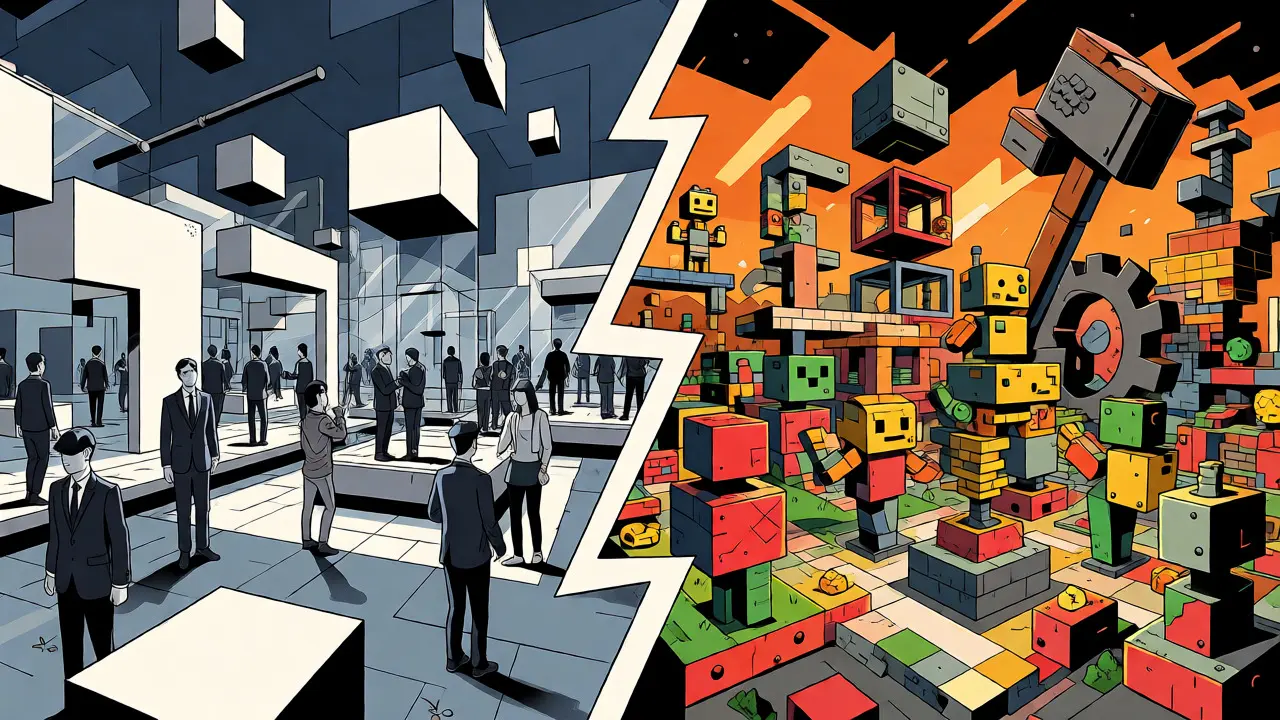
When people talk about crypto-metaverses, two names dominate the conversation. They approach the concept differently, catering to distinct user bases.
| Feature | Decentraland | The Sandbox |
|---|---|---|
| Primary Focus | Social interaction, events, art galleries | Gaming, user-generated content, branded IP |
| Visual Style | Realistic 3D, browser-native | Voxel-based (Minecraft-like aesthetic) |
| Native Token | MANA (ERC-20) & LAND (ERC-721) | SAND (ERC-20) & LAND (ERC-721) |
| Creation Tools | Builder SDK, Scene Editor | VoxEdit (asset creation), Game Maker |
| Best For | Brands wanting social hubs, artists | Game developers, entertainment companies |
Decentraland: The Social Pioneer
Launched publicly in 2020 after raising $24 million, Decentraland is the oldest major player. It runs directly in your web browser, meaning no heavy downloads are required. This accessibility has helped it become a hub for real-world brand activations. You can walk around virtual versions of Adidas stores or attend fashion shows hosted by Gucci.
The economy revolves around LAND, parcels of virtual real estate. Owners can build scenes using a drag-and-drop builder or dive deeper with JavaScript via the SDK. Because it’s Ethereum-based, transaction fees (gas) can be high during network congestion, sometimes exceeding $15 per action, which frustrates casual users.
The Sandbox: The Gamer’s Playground
The Sandbox leans heavily into gaming. Its voxel-based style makes it feel familiar to anyone who grew up playing Minecraft. The platform provides robust tools like VoxEdit for creating 3D assets and Game Maker for scripting gameplay logic without needing to know how to code.
This ease of creation has attracted massive partnerships with IPs like The Walking Dead, Ubisoft, and Atari. If you want to play mini-games created by other users or monetize your own game designs, The Sandbox offers a more structured path than Decentraland’s open-ended sandbox.
The Tech Stack: Ethereum, Solana, and Beyond
Not all metaverses run on the same rails. The choice of blockchain dictates speed, cost, and security.
Ethereum remains the gold standard for security and developer tooling. Most top-tier projects anchor here because the ecosystem is mature. However, Ethereum mainnet is slow and expensive for frequent micro-transactions typical in gaming. To fix this, many projects use Layer-2 scaling solutions like Polygon or Arbitrum. These networks process transactions off-chain and batch them onto Ethereum, slashing costs by 99% while maintaining decent security guarantees.
On the other end of the spectrum is Solana. Known for its blistering speed-processing over 50,000 transactions per second-Solana enables seamless real-time interactions crucial for immersive VR experiences. Fees are fractions of a cent. The trade-off? Historical concerns about network stability. While recent upgrades have improved resilience, Ethereum’s proven uptime record still gives it an edge for high-value asset storage.
Then there’s Polkadot, which focuses on interoperability. Its parachain architecture allows different blockchains to communicate. Imagine owning a sword in a Polkadot-based game and using it in a completely different virtual world. That cross-platform portability is the holy grail developers are chasing.
How to Get Started: A Practical Checklist
Ready to dip your toes in? Here’s the realistic path forward, stripped of the jargon.
- Set Up a Crypto Wallet: Install MetaMask (for Ethereum/Polygon) or Phantom (for Solana). Secure your seed phrase offline. Never share it.
- Fund Your Account: Buy ETH, MATIC (Polygon), or SOL depending on the platform. Remember, you’ll need extra funds for gas fees.
- Choose Your Platform: Visit decentraland.org or sandbox.game. Connect your wallet. Explore the map as a guest first before spending money.
- Understand the Assets: Learn the difference between fungible tokens (like MANA/SAND used for currency) and non-fungible tokens (LAND/Wearables used for unique items).
- Start Small: Don’t buy a plot of land immediately. Attend an event, join a Discord community, and try creating a simple avatar outfit first.
One common pitfall is ignoring gas fees. On Ethereum mainnet, minting a single NFT could cost more than the item itself. Always check if the platform supports Layer-2 networks to keep your entry costs low.
The Future: Interoperability and DeFi Integration
We’re currently in the "infrastructure building" phase. The next wave isn't just about better graphics; it's about financial integration. Platforms are beginning to embed DeFi (Decentralized Finance) protocols directly into the game loop. Imagine taking out a loan against your virtual land to fund a business expansion within the game, all handled by smart contracts.
Interoperability is another key frontier. Currently, your avatar in Decentraland can’t walk into The Sandbox. Bridges are being built to allow asset portability. Projects leveraging Flow blockchain (home of NBA Top Shot) are also gaining traction for their consumer-friendly UX, hiding complex crypto mechanics behind simple credit card payments.
Ultimately, the winners will be platforms that balance technical performance with engaging content. Graphics alone won’t save a dead world. Community engagement, driven by economic incentives, is what keeps users logging back in.
Do I need a powerful computer to play?
Most leading platforms like Decentraland are browser-based, so they run on mid-range laptops. However, for smoother frame rates and higher graphical fidelity, a dedicated GPU helps. Mobile support is growing but often limited compared to desktop experiences.
Is my virtual land really mine?
Yes, if you hold the private keys to the wallet containing the LAND NFT. Unlike traditional games, you can sell, lease, or transfer this asset independently of the platform developers. However, if the platform shuts down, the utility of the land may vanish, even if the token exists on the blockchain.
What are the risks of investing in metaverse land?
Liquidity is a major risk. Selling a specific plot of virtual land can take months. Additionally, platform relevance can fade quickly. If users migrate to a newer, better-performing metaverse, your asset’s value may plummet regardless of broader crypto market trends.
Can I earn money in these platforms?
Yes, through various methods: leasing land to brands, selling wearables, hosting paid events, or winning play-to-earn rewards. However, early adopters benefited most; current returns vary significantly based on skill, timing, and market conditions.
Which blockchain is best for beginners?
Polygon is often recommended for beginners due to its low fees and compatibility with Ethereum tools. Solana is also user-friendly with near-instant transactions, but requires learning a new wallet ecosystem (Phantom/Solflare).