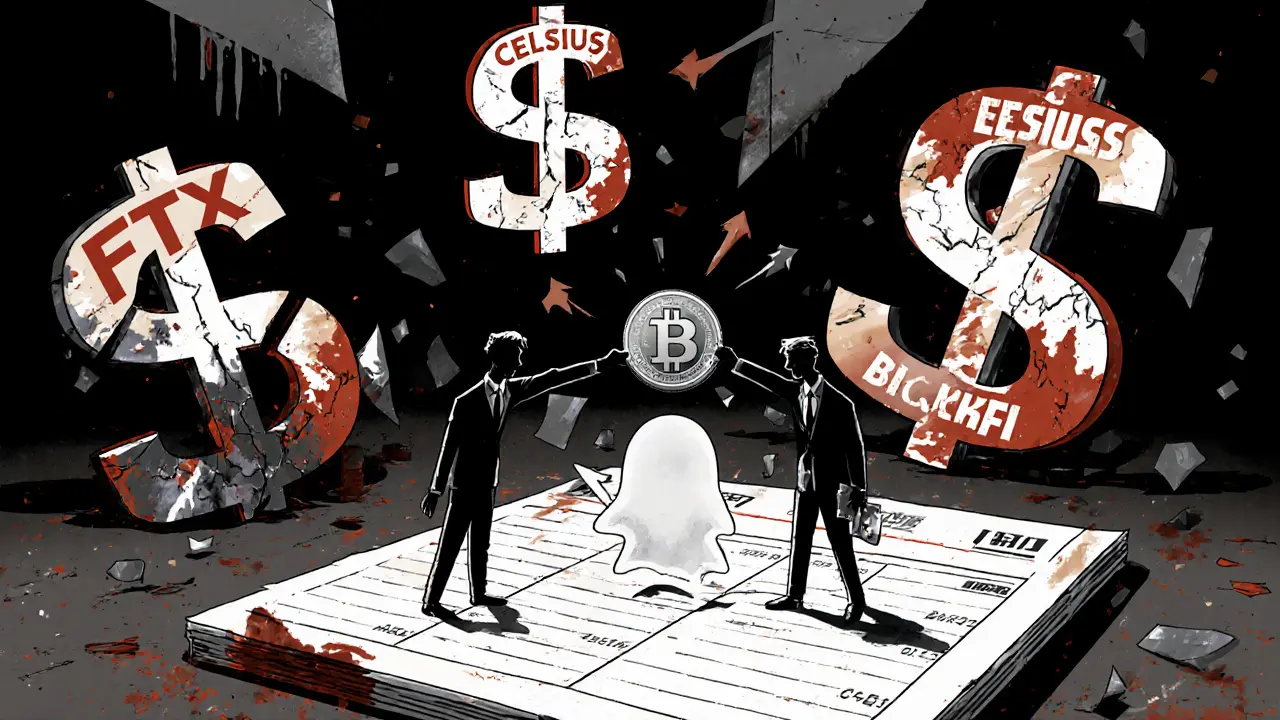
Crypto Bankruptcy Claims: What You Can Recover and How to File
When a crypto bankruptcy claim, a legal process to recover digital assets after an exchange or project fails. Also known as crypto asset recovery, it's the only path left when a platform like FTX, Celsius, or BlockFi shuts down and leaves users with nothing but a login page. Most people assume if an exchange collapses, their Bitcoin or Ethereum is gone forever. That’s not true—unless you didn’t file a claim. Hundreds of thousands of people lost money in 2022 and 2023, but only a fraction actually submitted paperwork. The courts don’t come knocking. You have to act.
It’s not just about filing a form. You need to prove you owned the assets. That means showing wallet addresses, transaction history, exchange statements, or even screenshots from when you deposited. The court doesn’t care if you trusted the platform. It cares about evidence. If you held your coins on the exchange and never moved them, you’re a creditor. If you used a self-custody wallet, you’re not part of the claim—you never lost control. This is a key difference: crypto exchange collapse, when a platform freezes withdrawals and declares insolvency, leaving users unable to access their funds creates legal claims. cryptocurrency insolvency, the legal state where a crypto business can’t pay its debts and enters bankruptcy proceedings triggers a chain of events: asset freezing, audits, creditor lists, and distribution plans. But these only happen if people show up.
What you get back isn’t guaranteed. In the FTX case, some creditors got 30% of their claim in cash, others got tokens from the restructured company. Some got nothing. It depends on how much was left, how the court prioritized claims, and whether the exchange kept proper records. Retail users often rank below institutional lenders and venture capitalists. But even if you’re low on the list, you still have a shot. The biggest mistake? Waiting. Deadlines are strict. Missing one means you lose your place forever.
There’s no magic fix. No tool, no app, no Telegram group can get your crypto back if you didn’t file. But the system does work—if you use it. You’ll find real stories below: people who recovered partial value from failed exchanges, those who missed deadlines and lost everything, and the small number who got lucky because they kept perfect records. You’ll also see how scams prey on people hoping for a quick payout after a collapse. These aren’t theoretical. Every post here comes from real cases, real filings, and real outcomes. Whether you’re still waiting, just found out you’re eligible, or want to avoid this mess next time, the guides below give you the facts—no fluff, no promises, just what actually happened.
OPNX was a crypto exchange that tried to trade bankruptcy claims from failed firms like FTX and Celsius. It launched in 2023, saw almost no trading volume, and shut down in February 2024. Its founders' history and lack of demand doomed it from the start.