What is wstUSDT (Wrapped Staked USDT)? A Simple Guide to Yield-Bearing Stablecoins
 Jun, 22 2026
Imagine holding a savings account where your balance never changes, but the value of each dollar inside it slowly grows. That’s exactly what wstUSDT is designed to do. If you’ve been watching the crypto space lately, you’ve probably seen the ticker WSTUSDT popping up on exchanges like Bitget and CoinGecko. It looks like a stablecoin, acts like an investment vehicle, and sits somewhere in between. But what actually is it? And why does its price hover around $1.05 or $1.10 instead of staying flat at $1.00?
This isn’t just another meme coin with a fancy name. WSTUSDT is a specific financial instrument built on the TRON blockchain that lets you earn interest on your Tether (USDT) without dealing with the headache of changing token balances. To understand it, we need to peel back the layers of how it connects to staking, wrapping, and the broader ecosystem of liquid staking tokens.
The Core Concept: What Exactly is WSTUSDT?
At its simplest level, Wrapped Staked USDT (WSTUSDT) is a non-rebasing token that represents a claim on staked USDT. Let’s break that down because the jargon can be dense.
It all starts with USDT (Tether), the most popular dollar-pegged stablecoin in the world. When you stake USDT on certain platforms, you receive a receipt token called stUSDT. This is a rebasing token, meaning if you hold 100 stUSDT, your balance might automatically increase to 100.05 stUSDT over time as rewards are distributed. For some users, this constant change in balance is confusing or difficult to manage in decentralized finance (DeFi) protocols.
Enter WSTUSDT. It wraps stUSDT into a fixed-balance format. You lock up your stUSDT, and in return, you get WSTUSDT. Your number of WSTUSDT tokens stays exactly the same-let’s say you have 100. They don’t multiply. Instead, the value of each WSTUSDT increases relative to USDT as the underlying staking rewards accumulate. So, while you still hold 100 tokens, they might be worth 106 USDT later on. This makes it much easier to use in trading pairs and lending markets where predictable token counts matter.
How the Mechanism Works: Rebasing vs. Non-Rebasing
To really grasp why WSTUSDT exists, you have to look at the difference between rebasing and non-rebasing designs. This is the technical heart of the asset.
Rebasing Tokens (like stUSDT): Think of this like a bucket of water that magically fills itself. You start with 1 liter. After a week, you still have one bucket, but now it contains 1.05 liters. The quantity changed. In crypto terms, your wallet balance updates automatically. This is great for passive holders who just want their stack to grow, but it’s messy for smart contracts that need to calculate exact amounts for loans or swaps.
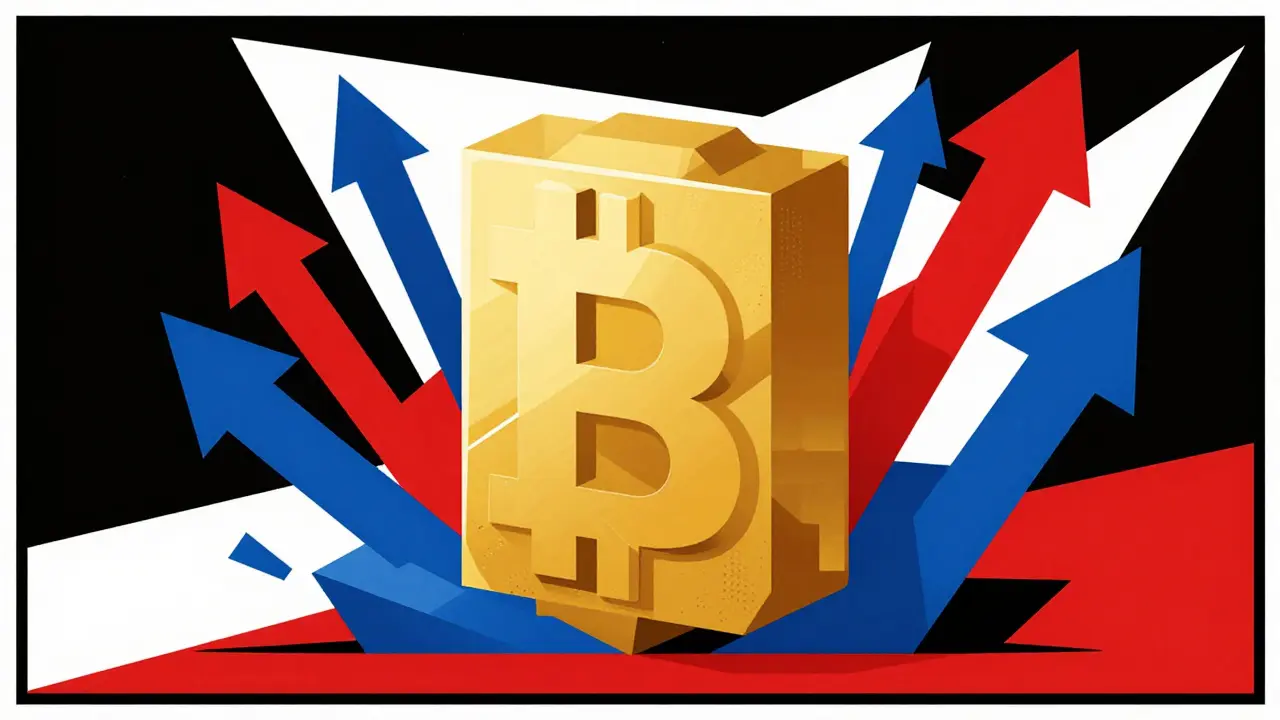
Non-Rebasing Tokens (like WSTUSDT): Think of this like a gold bar. You own one bar. It doesn’t split into two bars. However, the market price of gold goes up. So, your single bar is now worth more dollars. WSTUSDT works this way. Your token count is static. The appreciation happens via the exchange rate between WSTUSDT and USDT.
| Feature | stUSDT (Staked USDT) | WSTUSDT (Wrapped Staked USDT) |
|---|---|---|
| Token Balance | Increases over time (Rebasing) | Stays constant (Non-Rebasing) |
| Value Growth | Reflected in higher token count | Reflected in higher price per token |
| Primary Use Case | Passive holding | Trading, DeFi integration, Lending |
| Underlying Asset | Directly staked USDT | Wrapped stUSDT |
This design mirrors other successful wrapped assets in crypto, such as wstETH (wrapped staked Ether). Just as wstETH allows Ethereum stakers to use their staking position in DeFi without worrying about rebasing issues, WSTUSDT brings that same utility to the Tether ecosystem on the TRON network.
Technical Architecture: Built on TRON
WSTUSDT isn’t floating in a vacuum; it lives on a specific blockchain. According to data from LiquidityFinder and other trackers, WSTUSDT operates on the TRON blockchain using the Tron20 (TRC-20) token standard.
Why TRON? Because a massive portion of global USDT supply resides on the TRON network due to its low transaction fees and high speed. By building WSTUSDT here, the creators tapped into an existing liquidity pool of millions of USDT holders who already use wallets like TronLink or hardware devices compatible with TRC-20 tokens.
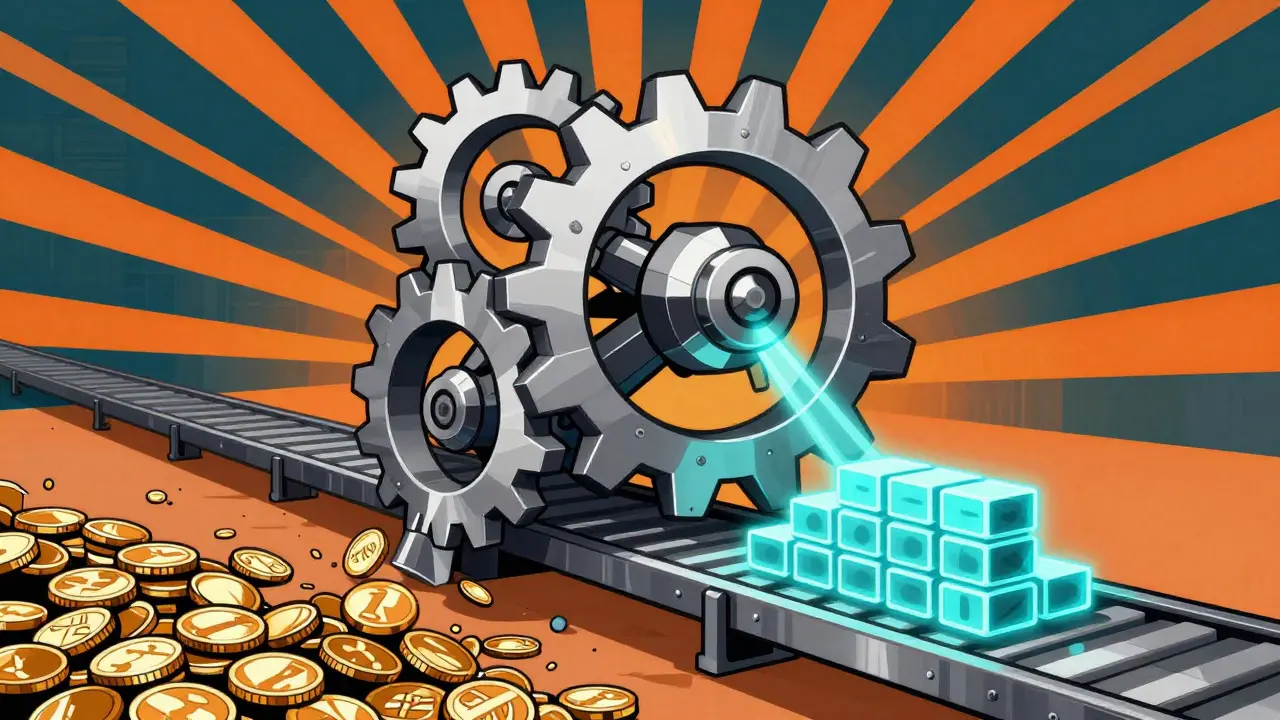
The launch happened in 2023. While public profiles on major exchanges don’t always list individual founders or a formal foundation, the token functions as infrastructure within the stUSDT ecosystem. It relies on smart contracts to handle the wrapping and unwrapping process. When you wrap stUSDT, the contract locks those tokens and mints WSTUSDT for you. When you unwrap, you burn the WSTUSDT and get your stUSDT back. This process is trustless in theory, relying on code rather than a central bank manager, though you still depend on the security of the underlying smart contracts.

Market Behavior: Why Doesn't It Trade at .00?
If you check the price of WSTUSDT on platforms like Crypto.com, Kraken, or Bitget, you’ll notice something odd. It’s not pegged to $1.00. Recent snapshots show prices ranging from roughly $1.05 to $1.10 USD. Sometimes it dips slightly lower, and historically, there have been extreme anomalies (with highs near $5.74 and lows near $0.86 during periods of thin liquidity or listing glitches). But under normal conditions, it trades at a slight premium.
This premium is key. It represents the accumulated yield. If you buy 1 WSTUSDT for $1.06, you are paying for the current staking rewards embedded in the underlying stUSDT. Over time, as more rewards accrue, that conversion rate should theoretically drift higher. For example, Coinbase has shown conversion rates where 1 WSTUSDT equals 1.06 USDT. This means if you held that token, its purchasing power in terms of base USDT grew by 6% since the last reset or reference point.
However, treat this like a market-traded asset, not a guaranteed bond. The price fluctuates based on:
- Liquidity: How many people are buying and selling right now?
- Staking Yields: Are the rewards on stUSDT increasing or decreasing?
- Market Sentiment: Is there fear in the broader crypto market causing people to dump yield-bearing tokens?
In normal times, volatility is low. CoinGecko reported 7-day price changes of less than 1% in recent snapshots, which is incredibly stable for a crypto asset. But remember, it is still a derivative product, not cash in your pocket.
Tokenomics and Supply Dynamics
Understanding the supply helps you gauge the scarcity and potential dilution of the asset. Here are the hard numbers currently circulating in market data:
- Total Supply: 213,846,225 WSTUSDT
- Maximum Supply: 213,846,225 WSTUSDT
- Circulating Supply: Often reported as 0 or very low on some aggregators, though daily trading volumes suggest active circulation.
- Fully Diluted Valuation (FDV): Approximately $229 million USD (based on recent price points).
The discrepancy between total supply and circulating supply often confuses new investors. In many cases, a large portion of these tokens may be locked in reserve contracts, used for liquidity pools, or simply not actively traded on spot markets at any given second. Despite some trackers showing "zero" circulating supply for market cap calculations, the daily trading volume tells a different story. CoinGecko lists 24-hour volumes exceeding $12 million, and Crypto.com shows similar figures around $7.7 million. This indicates robust activity and real-world usage, even if the accounting metrics lag behind.
Risks and Considerations Before You Buy
Before you rush to swap your USDT for WSTUSDT, let’s talk about the risks. No financial product is free of danger, especially in decentralized finance.
Smart Contract Risk: Since WSTUSDT is a wrapper, you are trusting the code that manages the lock/unlock mechanism. If there is a bug in the contract, funds could be lost. Unlike traditional banks, there is no FDIC insurance here. Always check if audits have been published by reputable firms, although specific audit reports for WSTUSDT are not always prominently displayed on exchange pages.
Counterparty and Platform Risk: WSTUSDT depends on the health of the stUSDT platform. If the staking strategy behind stUSDT fails, or if the reserves backing the original USDT come under regulatory scrutiny, WSTUSDT will suffer. It is a layer on top of a layer. Complexity adds risk.
Peg Deviation Risk: While it aims to track yield, the market price can decouple from the theoretical value. During market panics, liquidity dries up, and you might not be able to sell your WSTUSDT at the fair conversion rate. You could be forced to sell at a discount.
Regulatory Uncertainty: Regulators worldwide are scrutinizing stablecoins and yield-bearing tokens. Depending on your jurisdiction, earning yield through mechanisms like this could have tax implications or legal restrictions. Always consult local regulations.
How to Store and Trade WSTUSDT
If you decide WSTUSDT fits your portfolio, you need to know how to handle it. Since it’s a TRC-20 token, you need a wallet that supports the TRON network.
Custodial Options: Exchanges like Bitget, Crypto.com, and potentially others offer direct trading pairs. This is the easiest route. You deposit USDT or fiat, trade for WSTUSDT, and leave it on the exchange. You don’t manage keys, but you don’t control the funds entirely either. KuCoin tracks the price but has noted in the past that it may not have official spot listings yet, so availability varies by platform.
Self-Custody: For better security, move your tokens to a personal wallet. Popular choices include:
- TronLink: A browser extension and mobile app specifically designed for TRON.
- Hardware Wallets: Devices like Ledger or Trezor support TRC-20 tokens. Ensure your firmware is updated to recognize newer token standards.
- Software Wallets: Apps like Trust Wallet also support TRON assets.
When transferring, always double-check the network. Sending WSTUSDT via Ethereum (ERC-20) will result in permanent loss of funds. It must go over TRON (TRC-20).
Conclusion: Is WSTUSDT Right for You?
WSTUSDT is a niche but powerful tool for crypto-savvy users who want exposure to USDT yields without the friction of rebasing tokens. It solves a real problem in DeFi: compatibility. By keeping the token count static, it integrates smoothly into lending protocols and automated market makers.
However, it is not for everyone. If you just want to hold dollars digitally, stick to plain USDT. If you want simple yield and don’t care about trading mechanics, stUSDT might be simpler. WSTUSDT is best for traders and DeFi participants who understand the mechanics of wrapping, value the flexibility of a non-rebasing asset, and are comfortable managing the additional layers of smart contract risk. As with all crypto investments, do your own research, start small, and never invest more than you can afford to lose.
Is WSTUSDT a stablecoin?
Not exactly. While it is derived from the stablecoin USDT, WSTUSDT is a yield-bearing token. Its price floats above $1.00 to reflect accumulated staking rewards, so it does not maintain a strict 1:1 peg like traditional stablecoins.
What is the difference between stUSDT and WSTUSDT?
stUSDT is a rebasing token, meaning your balance increases automatically as rewards are earned. WSTUSDT is a non-rebasing wrapper of stUSDT, meaning your token count stays the same, but the value of each token increases over time.
Which blockchain does WSTUSDT operate on?
WSTUSDT operates on the TRON blockchain using the TRC-20 (Tron20) token standard. You must use a TRON-compatible wallet to store it securely.
Where can I buy WSTUSDT?
You can find WSTUSDT on several cryptocurrency exchanges including Bitget, Crypto.com, and CoinGecko-listed venues. Availability may vary by region and exchange policy, so check your local platform for trading pairs.
Is WSTUSDT safe to hold?
Like all DeFi assets, it carries risks including smart contract vulnerabilities, counterparty risk from the underlying staking protocol, and market volatility. It is generally considered lower volatility than speculative coins but higher risk than holding plain USDT in a regulated bank account.