Why Angola Banned Crypto Mining: Energy Crisis & Regulations
 Nov, 7 2026
Imagine running a hospital on a generator because the main power grid is too busy powering Bitcoin miners. That’s not a hypothetical scenario in Angola-it was reality until recently. In April 2024, Angola implemented a strict nationwide ban on cryptocurrency mining, citing severe electricity shortages and infrastructure strain. This wasn't just a bureaucratic hiccup; it was a survival move for a nation where millions lack reliable access to basic utilities.
The situation escalated dramatically in August 2025 during Interpol's Operation Serengeti 2.0. Angolan authorities dismantled 25 illegal mining centers, seized equipment worth $37.2 million, and arrested 60 Chinese nationals who were operating largely without proper oversight. The core issue? These operations were siphoning up to 15% of available electricity during peak hours, leaving local businesses and households in the dark. If you are tracking global crypto trends or considering investment landscapes in Africa, understanding why Angola drew this hard line is crucial.
The Energy Deficit Behind the Ban
To understand the ban, you have to look at Angola’s power grid. It’s fragile. With a population of roughly 39 million, the national grid capacity sits at about 5,500 megawatts. That sounds like a lot until you realize that per capita electricity consumption is just 420 kWh annually-less than 10% of the global average. Meanwhile, the country relies heavily on hydropower, which makes it vulnerable to seasonal droughts. During the 2023-2024 dry season, reservoir levels at key dams like Cambambe dropped to 38%, crippling generation capacity.
Proof-of-work mining is incredibly energy-intensive. A single Bitcoin transaction can consume 1,440 kilowatt-hours in Angola’s specific rate context, which is 40 times more energy than traditional banking transactions. When Chinese operators set up shop, attracted by electricity costs as low as $0.03 per kilowatt-hour, they didn't just plug into the wall; they strained an already overburdened system. Reports indicated that mining farms were consuming between 50 and 200 megawatts collectively-equivalent to the needs of 300,000 households.
This diversion had tangible consequences. Residents in Luanda reported transformer explosions that blacked out hospitals for hours. Small business owners saw electricity tariffs jump by 22% in 2023, partly due to grid strain from these unregulated industrial loads. The government couldn’t justify letting speculative digital assets compete with essential public services for scarce resources.
Enforcement: Operation Serengeti 2.0
The crackdown wasn't subtle. Following warnings from Chinese officials to their residents in Angola to avoid virtual currency mining, the government moved aggressively. The regulatory framework criminalized the possession of mining infrastructure, carrying penalties of one to five years imprisonment and mandatory confiscation of equipment.
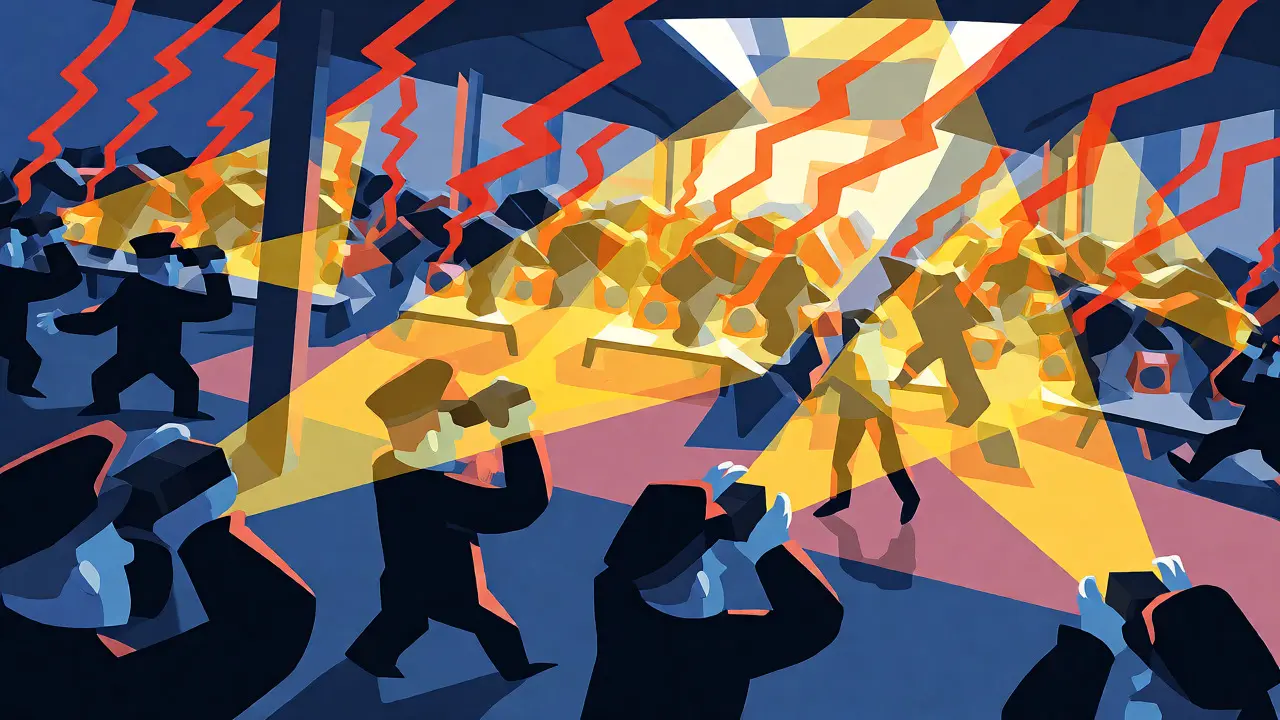
In August 2025, law enforcement agencies executed raids across provinces like Benguela and Luanda. They weren't just looking for computers; they were hunting for heat signatures. Police used thermal imaging to detect devices running above 45°C, a clear sign of active ASIC miners. They also analyzed power consumption patterns via smart meters, flagging facilities using more than 100 kilowatts continuously without authorization from the National Electricity Agency (INE).
The results were stark:
- Seizures: Authorities confiscated 8,300 ASIC units and 15,000 graphics cards.
- Infrastructure: 45 illicit power stations were shut down for bypassing grid meters and safety controls.
- Financial Impact: The operation recovered $97 million across multiple African nations, with Angola accounting for a significant portion through equipment seizures valued at $37.2 million.
A whistleblower program played a huge role here. Offering 5% of seized equipment value (capped at $50,000) for tips, the government found that 73% of the successful raids originated from community reports. Neighbors knew when the lights flickered every time the miners spun up.
Who Was Affected?
The primary targets were foreign investors, specifically Chinese nationals. All 60 individuals arrested during the major August 2025 sweep were Chinese citizens. Many had entered Angola under false pretenses, using falsified industrial permits to justify high-power consumption. An audit by the Ministry of Energy revealed that 40% of raided facilities lacked valid documentation.
These operators initially flocked to Angola for cheap power. However, the reality was harsher than the brochure promised. Forum discussions from MiningRigRentals.com highlighted complaints about unreliable grid connections causing 40% equipment failure rates. Miners reported spending up to $500 monthly per facility in bribes to local utility inspectors just to keep the lights on. During dry seasons, weekly power outages lasted 18 to 24 hours, forcing reliance on expensive generators that eroded profit margins by 35%.
Local sentiment was mixed but largely supportive of the ban. While some feared job losses, many residents appreciated the stability. One Reddit user noted that seeing local clinics run on generators while nearby mining farms hogged industrial transformers made the ban feel necessary. A Sonangol Energy Survey in July 2025 showed 78% of respondents supported prioritizing household power over crypto exports.
The Broader African Context
Angola isn't alone in tightening rules, though its approach is among the most severe. Across the Southern African Development Community (SADC), seven of fifteen nations have implemented some form of mining restriction since 2022. Compare this to Nigeria and Kenya, which focus more on regulating exchanges rather than banning mining outright.
| Country | Regulatory Stance | Primary Driver | Key Mechanism |
|---|---|---|---|
| Angola | Total Ban | Energy Security | Criminalization & Confiscation |
| South Africa | Permitted with Tax | Grid Funding | 15% Energy Consumption Tax |
| Nigeria | Exchange Regulated | Financial Stability | Central Bank Guidelines |
| Zambia | Restrictive | Fraud Prevention | Licensing Requirements |
South Africa offers a contrasting model. Instead of banning mining, it taxes energy consumption at 15% to fund grid upgrades, generating $120 million annually since 2023. Some analysts argue Angola missed an opportunity to regulate rather than prohibit. John Wu of Avanade Capital pointed to Kazakhstan’s success in using flared gas for mining, reducing carbon emissions while utilizing waste energy. But Angola’s Minister of Energy, João Baptista Borges, countered that with 15 million citizens lacking reliable grid access, there is no room for "speculative digital assets."
Economic Ripple Effects
The ban didn't happen in a vacuum. It shifted capital and hash rate across the continent. Namibia saw a 200% increase in mining facility registrations from Angolan operators between April 2024 and August 2025. However, this exodus came with a cost. Namibia’s electricity costs are higher ($0.12/kWh vs. Angola’s $0.03/kWh), which slashed profit margins by 60% for those fleeing Angola.
Globally, Angola’s contribution to the Bitcoin network shrank. Data from the Cambridge Centre for Alternative Finance shows Angola’s hash rate fell from 0.8% to 0.02% of the global total post-ban. That’s a loss of 1.2 exahashes per second in computing power. For a small player, it’s negligible globally, but locally, it meant a massive redistribution of resources.
The Angolan government announced plans to redistribute seized equipment. Sixty-five percent went to university computer science departments, and 35% to municipal e-government initiatives. This turn from "digital gold" to "educational tool" highlights how quickly priorities can shift when energy security is at stake.
Future Outlook: Will the Ban Lift?
As of late 2026, the ban remains firmly in place. There are no exemptions for renewable energy-powered operations yet, despite Angola’s theoretical potential for solar generation. The government prioritizes grid stability over experimental solutions.
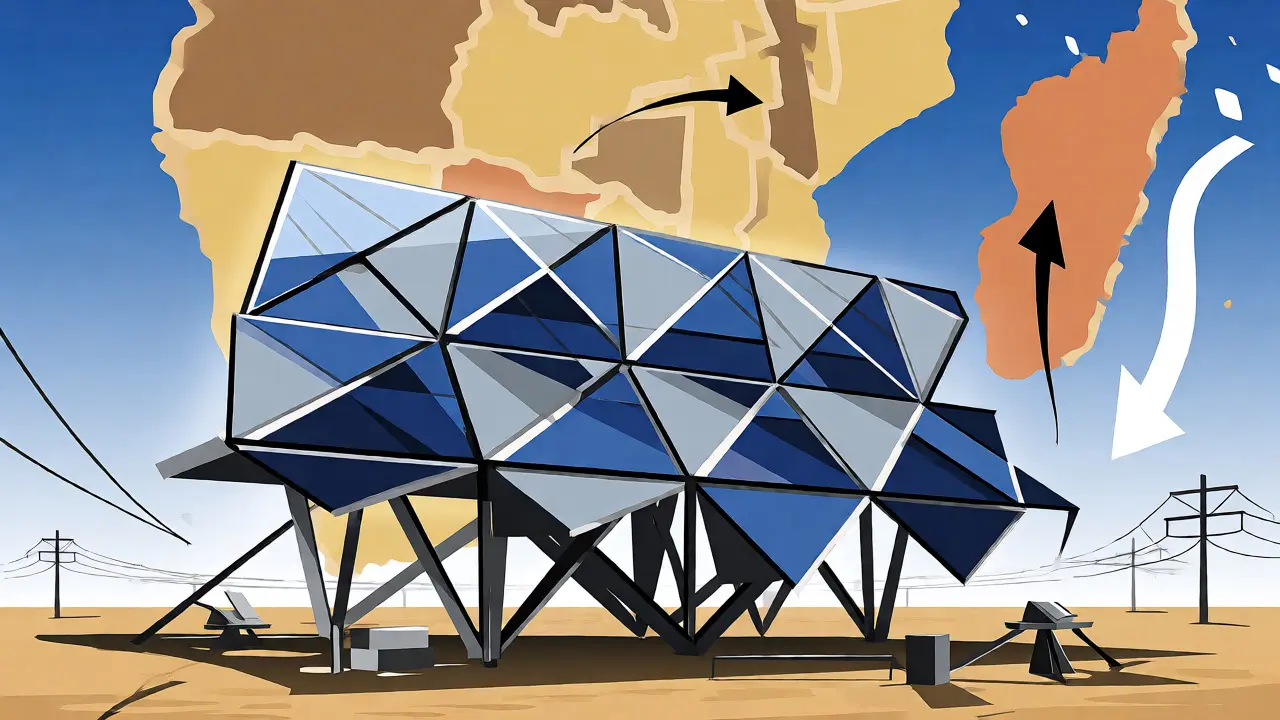
However, signs of change are emerging. President João Lourenço has met with representatives from Solax Power to discuss solar-powered mining pilots. The condition? Any future authorization would require 100% off-grid renewable energy with zero connection to the national grid. This ensures that mining doesn't compete with households for hydro-generated power.
Experts remain skeptical about near-term liberalization. Naledi Molefe, Head of Digital Assets at Standard Bank, projects that Angola won't consider regulated mining until grid reliability exceeds 90%. Given current investment rates, that threshold likely won't be reached before 2027. The critical factor will be the completion of the $4.5 billion Cambambe III hydropower expansion, expected to add 1,150 megawatts to capacity around 2028. Until then, Angola remains a cautionary tale: crypto mining requires stable, abundant energy, and if you don't have it, your neighbors will turn off the switch.
Key Takeaways
- Energy First: Angola banned crypto mining to protect the national grid for households and hospitals, not because it dislikes technology.
- Strict Enforcement: Penalties include prison time and equipment confiscation, enforced through thermal imaging and smart meter data.
- Foreign Focus: The crackdown primarily targeted unauthorized Chinese operators exploiting cheap electricity.
- Regional Shift: Operators moved to Namibia, facing higher costs and lower margins, illustrating the importance of energy economics in mining.
- Future Conditions: Any return to mining will likely require off-grid renewable sources to avoid straining the central grid.
Why did Angola ban cryptocurrency mining?
Angola banned cryptocurrency mining primarily due to severe electricity shortages. The national grid could not support the high energy consumption of mining rigs alongside essential public services like hospitals and homes. Mining operations were consuming up to 15% of available power during peak times, exacerbating blackouts and driving up costs for regular citizens.
What are the penalties for illegal crypto mining in Angola?
The penalties are strict. Individuals caught operating unauthorized mining equipment face one to five years of imprisonment. Additionally, all related infrastructure, including ASIC miners and power stations, is subject to mandatory confiscation by the state.
How does Angola enforce the crypto mining ban?
Enforcement involves multi-agency cooperation. The National Electricity Agency uses smart meters to detect abnormal 24/7 power usage. Police use thermal imaging to spot heat signatures from running machines. A whistleblower program also incentivizes locals to report suspicious operations, leading to rapid identification and raids.
Did the ban affect other African countries?
Yes, it caused a ripple effect. Many operators fled Angola for neighboring countries like Namibia. This led to a surge in mining registrations in Namibia, though the higher electricity costs there reduced profitability. Other SADC nations have also tightened regulations, though few have imposed such a total ban.
Is crypto mining allowed if it uses solar power?
Currently, no. Even renewable energy operations are restricted unless they are completely off-grid. The government is exploring pilot projects for solar-powered mining, but any future permission will strictly require zero connection to the national grid to ensure no competition with household electricity supply.