
The EU is banning Monero and Zcash by July 2027 under new anti-money laundering rules. Here's what it means for holders, traders, and the future of privacy in crypto.
When it comes to EU crypto regulation, the set of laws governing how cryptocurrencies are issued, traded, and taxed across European Union member states. Also known as MiCA, it's the first unified framework for digital assets in Europe, and it’s already reshaping everything from exchanges to wallet providers. This isn’t just bureaucracy—it’s a hard reset for anyone using or building crypto in the EU.
MiCA, the Markets in Crypto-Assets Regulation, is the backbone of the EU’s approach to crypto. It requires all crypto issuers to publish clear whitepapers, ensures stablecoins have enough reserves, and forces exchanges to follow strict anti-fraud rules. But the real punch comes from the crypto travel rule, a rule that demands full identity data for every crypto transaction, no matter how small. This isn’t just for large transfers anymore—sending €1 to a friend could trigger KYC checks on both ends. And crypto compliance, the process of meeting these legal requirements, now means businesses must track every user, every transaction, and every wallet address—no exceptions.
That’s why you’re seeing crypto projects quietly leave the EU, or build separate EU-only versions of their platforms. Banks in countries like Cyprus are blocking crypto deposits not because they’re against crypto, but because they can’t afford the compliance risk. Meanwhile, traders are stuck in a gray zone: they can still hold crypto, but moving it, trading it, or even receiving it from a non-EU exchange might now require paperwork you didn’t expect.
The EU didn’t set out to kill crypto. It wanted to stop scams, protect consumers, and bring order to a chaotic market. But the result? A system where innovation is buried under layers of identity checks and reporting. If you’re running a DeFi project, running a validator, or just holding a few tokens, you’re now part of a regulated system—and the rules are stricter than most people realize.
Below, you’ll find real-world examples of how these rules are playing out: from exchanges that shut down because they couldn’t handle the Travel Rule, to projects that vanished after failing MiCA’s disclosure rules. You’ll see how businesses are adapting, how users are getting caught off guard, and what happens when a country like Cyprus tries to follow EU law while keeping its banks open. This isn’t theory—it’s what’s happening right now.
The EU is banning Monero and Zcash by July 2027 under new anti-money laundering rules. Here's what it means for holders, traders, and the future of privacy in crypto.
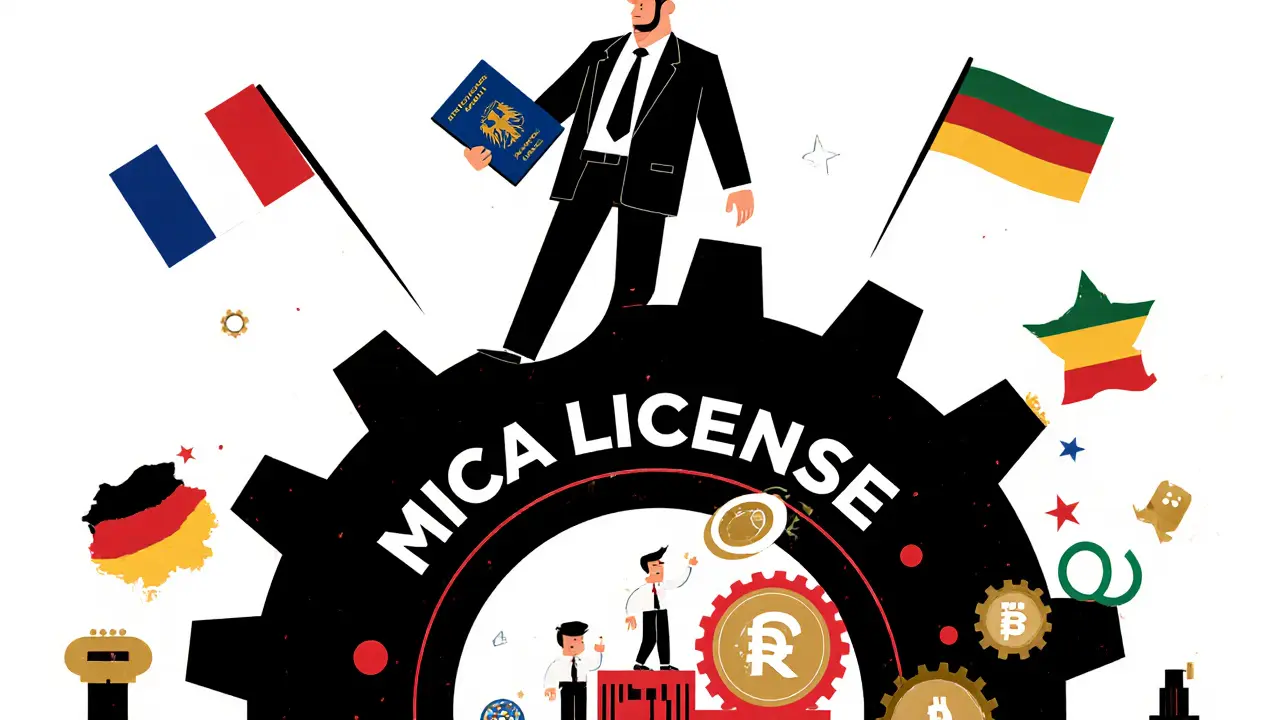
MiCA licensing for Crypto Asset Service Providers in the EU requires strict capital, compliance, and environmental reporting. Learn costs, timelines, real-world challenges, and who wins or loses under the new rules.