
Swiss banks lead the world in regulated cryptocurrency custody, offering secure, legal, and institutional-grade storage for digital assets. Learn how they protect crypto with advanced security, segregation laws, and global compliance.
Swiss banks lead the world in regulated cryptocurrency custody, offering secure, legal, and institutional-grade storage for digital assets. Learn how they protect crypto with advanced security, segregation laws, and global compliance.

Cyprus allows crypto trading without capital gains tax, but banks impose strict restrictions under EU MiCA rules. Learn how Travel Rule compliance, CySEC registration, and banking hurdles affect individuals and businesses in 2025.

The Central Bank of Nigeria shifted from banning cryptocurrency in 2021 to fully regulating it by 2025. This article traces the policy evolution, key turning points, and how Nigeria now leads Africa in crypto regulation.
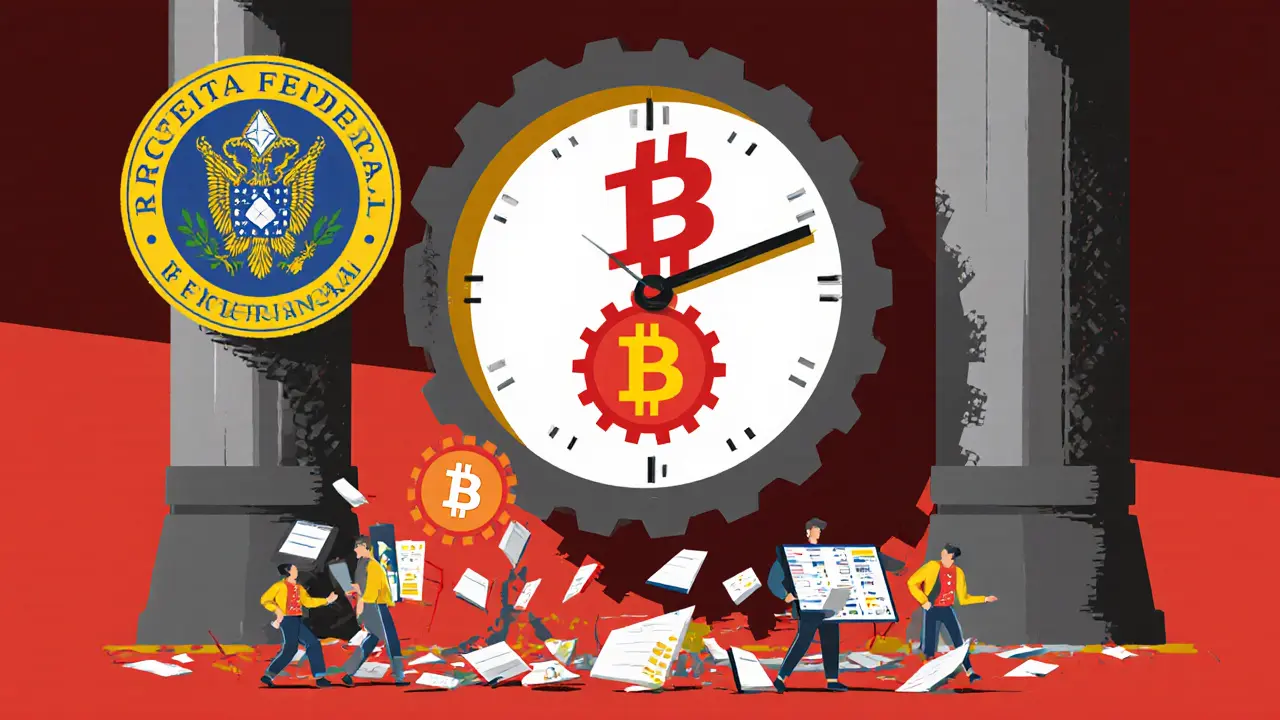
Brazil now taxes all cryptocurrency gains at a flat 17.5% rate, eliminating previous exemptions. Learn what's taxed, how to report, and how it compares globally.
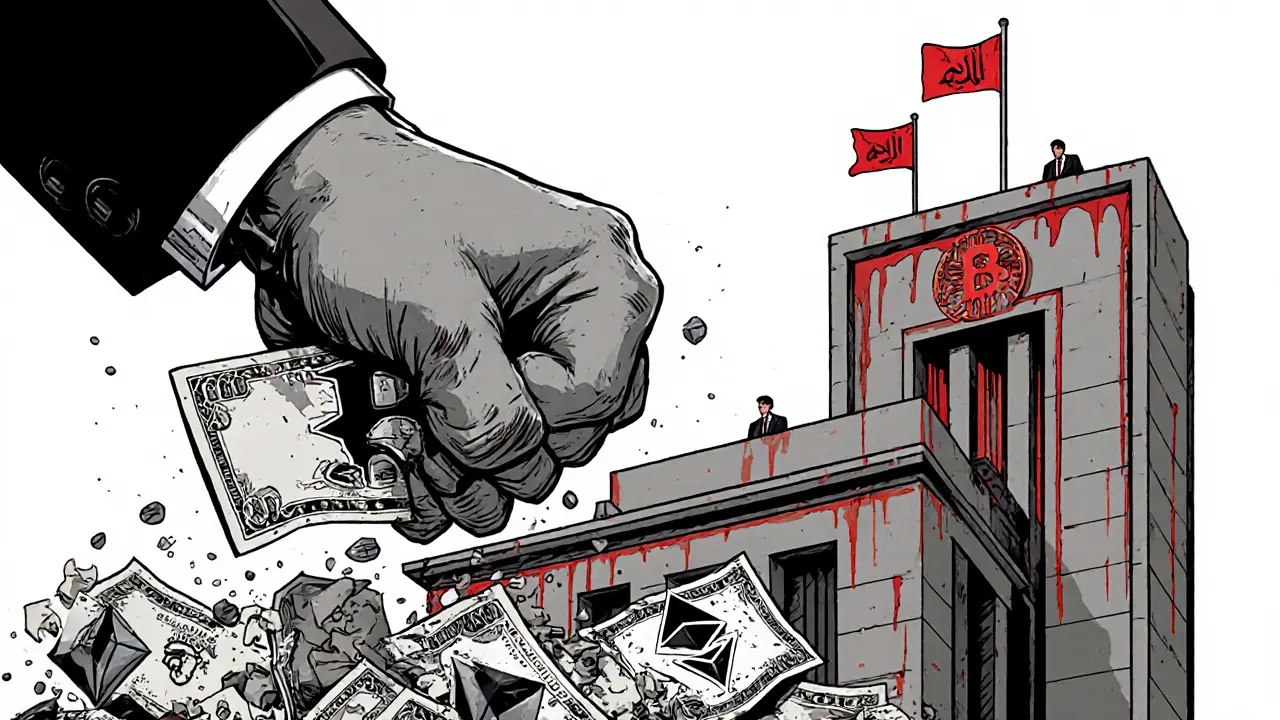
Iraq's Central Bank bans all cryptocurrency transactions, citing financial risks, while developing a state-controlled digital currency. Despite the ban, informal crypto trading persists, creating a legal gray zone for users.

Bitcoin trading in Bangladesh is not explicitly illegal, but it carries severe legal risks including prison time, asset seizures, and bank account freezes under money laundering laws. Despite a thriving underground market, authorities actively prosecute traders.
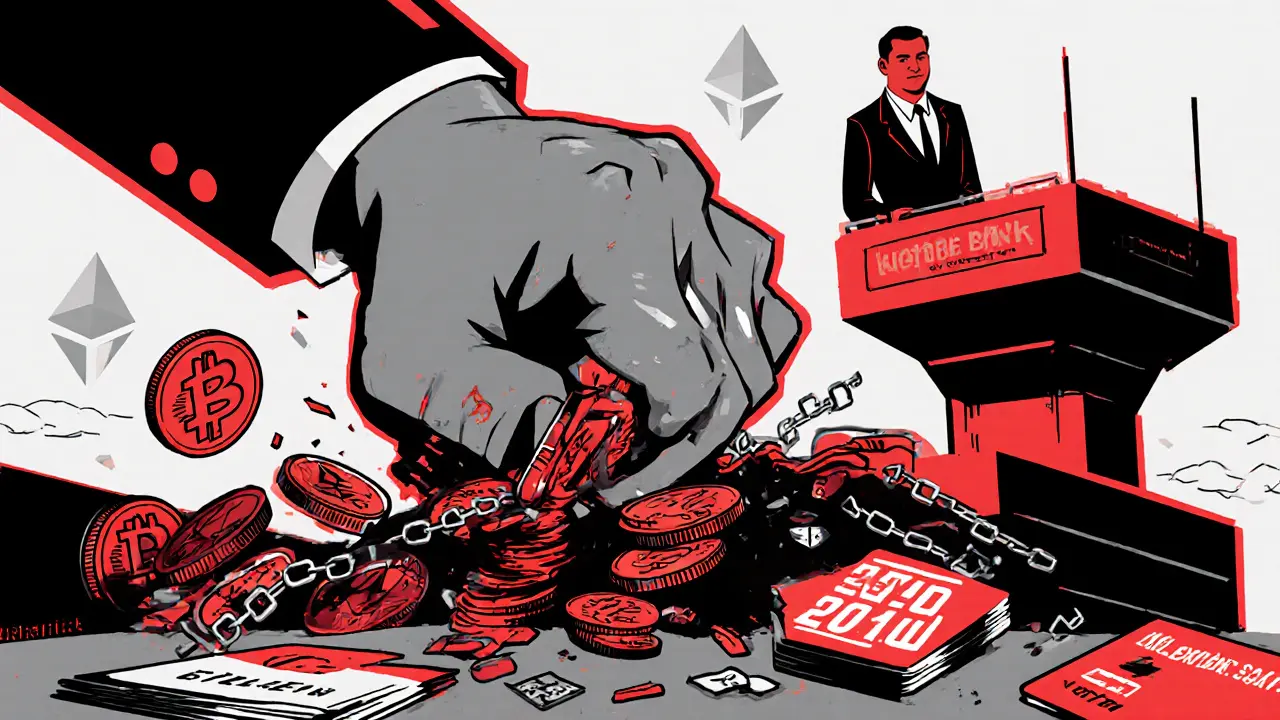
Tunisia's Central Bank bans all cryptocurrency use since 2018, with prison penalties for violations. Yet it quietly tests blockchain for government services through a regulated sandbox - a stark contrast to global trends.
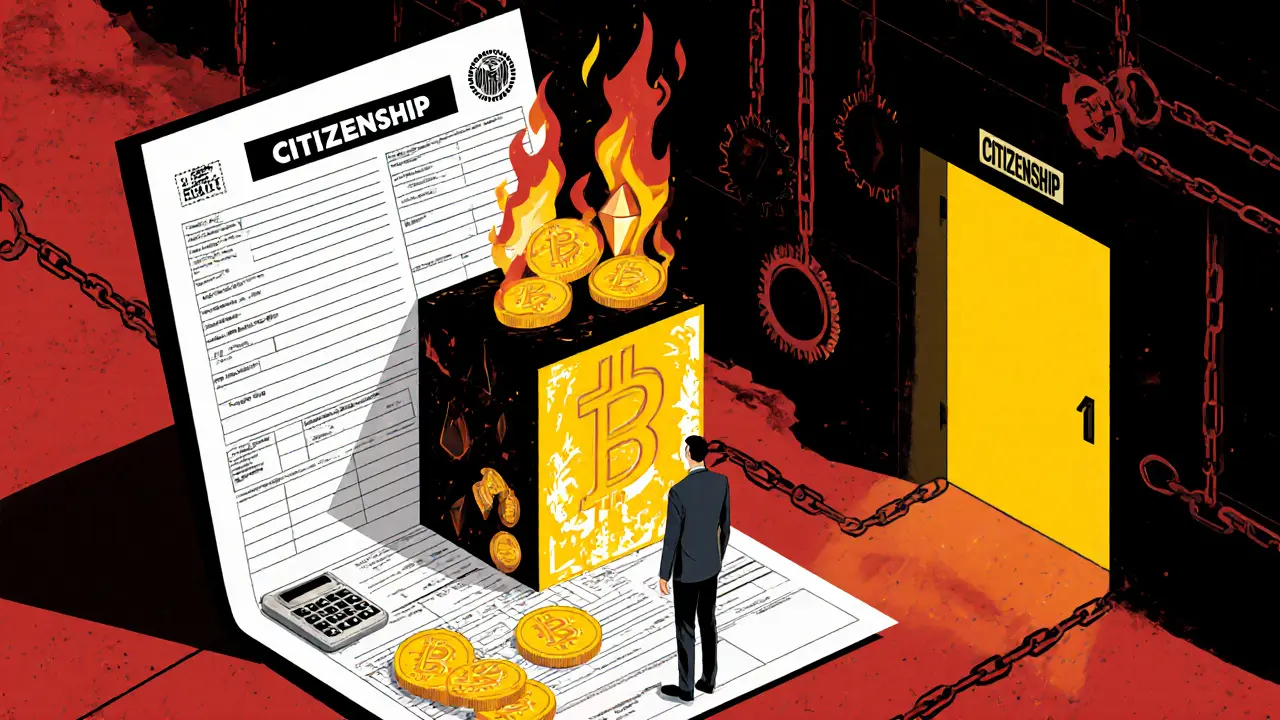
US citizens with large crypto holdings are renouncing citizenship to escape worldwide taxation. Learn the true costs, legal steps, and countries offering crypto tax freedom-plus why this move isn't for everyone.

As of 2025, China has banned all crypto payments, mining, and ownership. The e-CNY digital yuan is the only legal digital currency. Learn how the ban works, what’s illegal, and why China won’t back down.

Thailand banned foreign P2P crypto platforms in 2025 to stop scams and money laundering. Five major exchanges were blocked, and only licensed local platforms are now legal. Here's what it means for users and businesses.
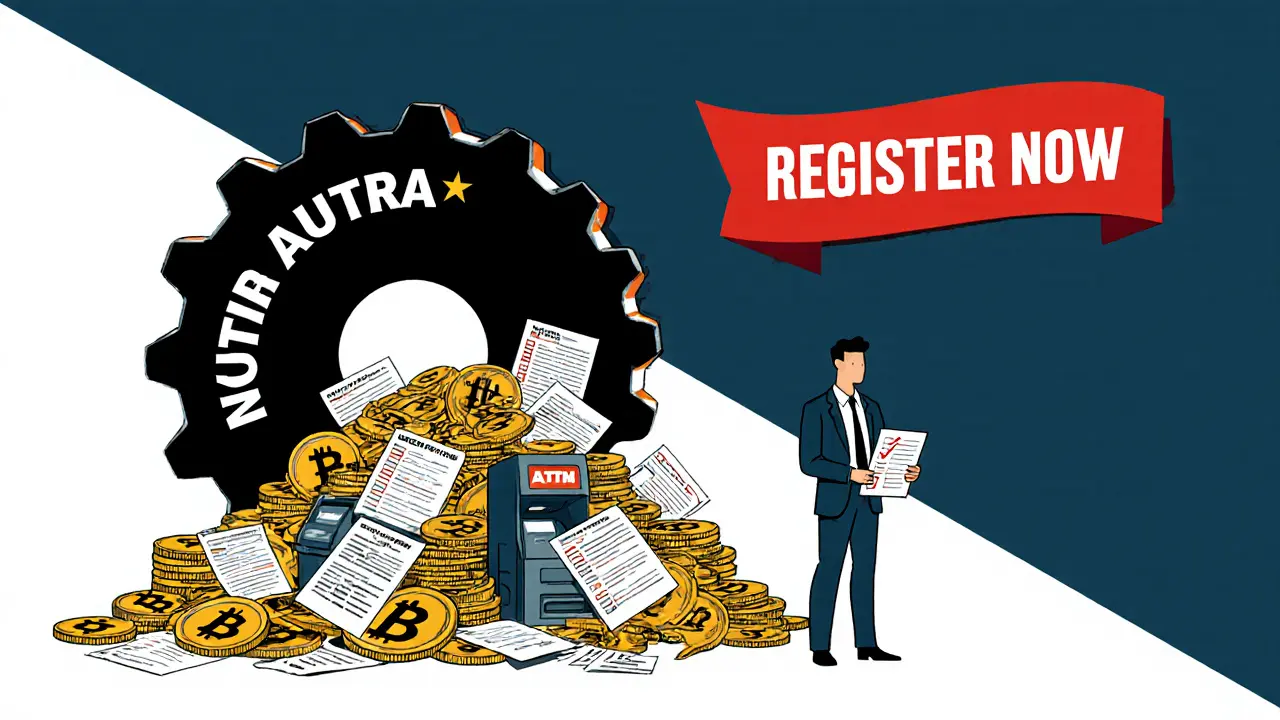
All crypto exchanges in Australia must register with AUSTRAC to legally operate. Learn the 2025 requirements, compliance obligations, and what changes in March 2026 - including penalties for non-compliance and how to prepare.
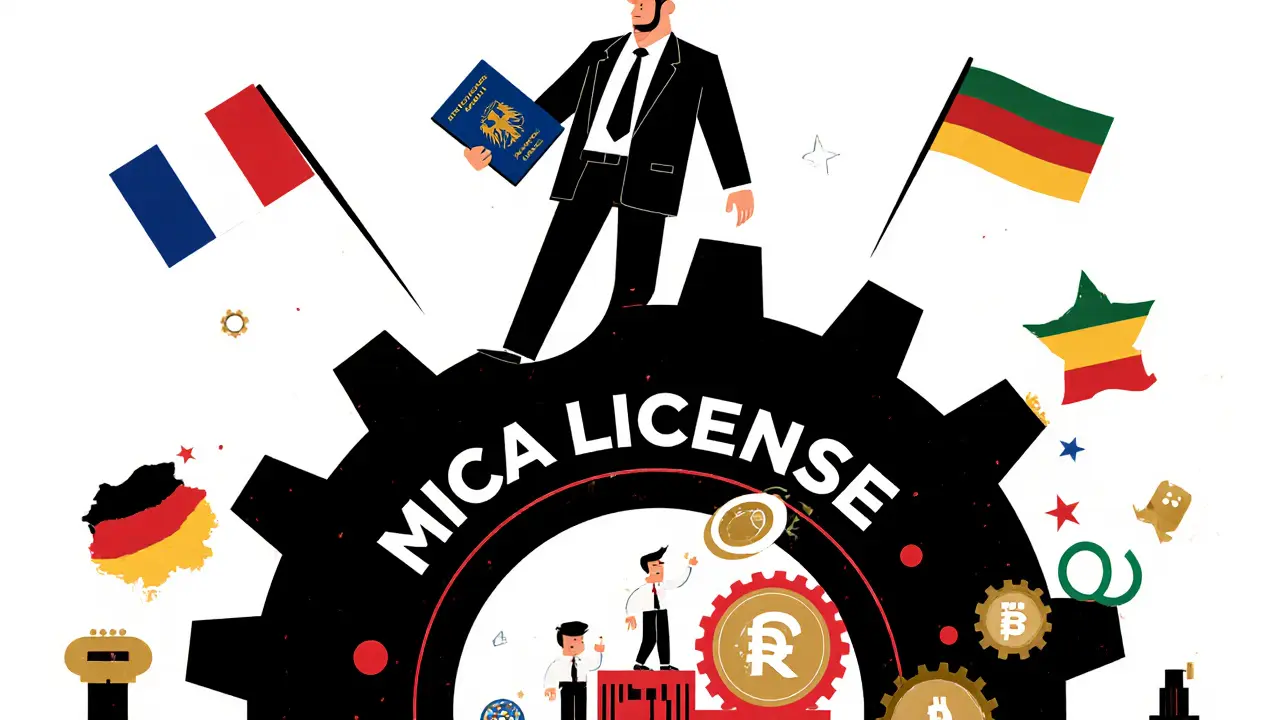
MiCA licensing for Crypto Asset Service Providers in the EU requires strict capital, compliance, and environmental reporting. Learn costs, timelines, real-world challenges, and who wins or loses under the new rules.