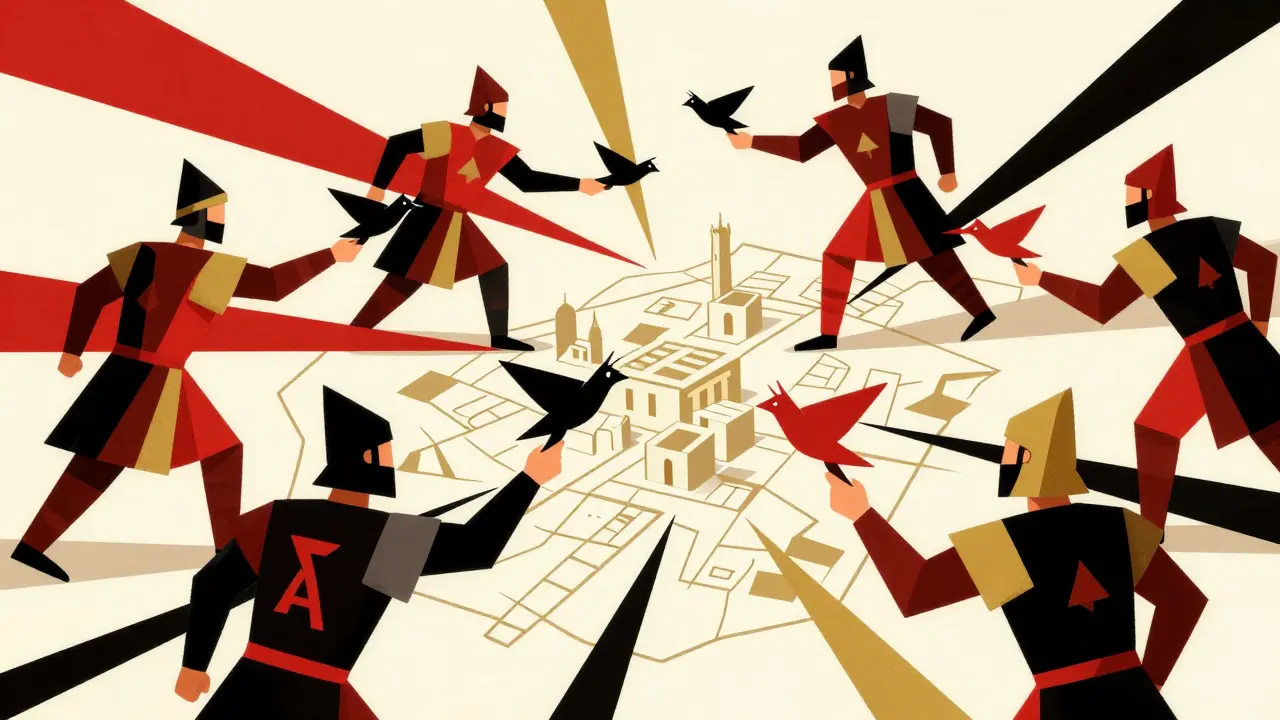
Discover how blockchains reach agreement without a central authority. Explore Proof of Work, Proof of Stake, and PBFT to understand the tech behind decentralized trust.
When you hear about proof of stake, a consensus mechanism that lets blockchain networks validate transactions using token holders instead of miners. Also known as PoS, it’s the system behind Ethereum, Solana, and most new blockchains today — replacing the old, energy-hungry proof of work method that Bitcoin still uses. Unlike mining, which needs powerful computers solving complex math puzzles, proof of stake picks validators based on how many coins they lock up, or "stake," in the network. The more you stake, the higher your chance of being chosen to verify the next block — and earn rewards for doing it.
This shift isn’t just technical — it’s personal. If you hold Ethereum, Cardano, or even smaller tokens that use PoS, you’re already part of the system. You don’t need a GPU farm. You just need to keep your coins in a wallet that supports staking, and you can earn interest just by holding. That’s why so many people now think of crypto not just as speculation, but as a way to earn passive income. And it’s not just about rewards. Proof of stake makes networks more secure because attackers would need to own a huge chunk of the total supply to break it — which would crash the value of their own holdings. It’s a built-in disincentive to cheat.
But proof of stake isn’t perfect. Centralization is a real risk. If only a few big players hold most of the stake, they control the network. That’s why some chains limit how much one address can stake, or use random selection to pick validators. And not all PoS systems are the same — Ethereum’s version after The Merge is very different from how Solana or Polkadot do it. Some even combine PoS with other methods to boost speed or security.
You’ll find posts here that dig into how staking works on real platforms, what happens when a chain forks (like ETHW after Ethereum switched), and how scams misuse the idea of staking to trick people. You’ll also see how regulatory moves in Nigeria, Thailand, and Iran affect crypto networks — because proof of stake isn’t just code. It’s economics, politics, and human behavior all rolled into one.
Whether you’re just starting out or you’ve been holding crypto for years, understanding proof of stake changes how you think about your assets. It turns passive coins into active participants. And in a world where energy use and control matter more than ever, it’s the quiet revolution behind most of the blockchain growth you’re seeing today.
Discover how blockchains reach agreement without a central authority. Explore Proof of Work, Proof of Stake, and PBFT to understand the tech behind decentralized trust.
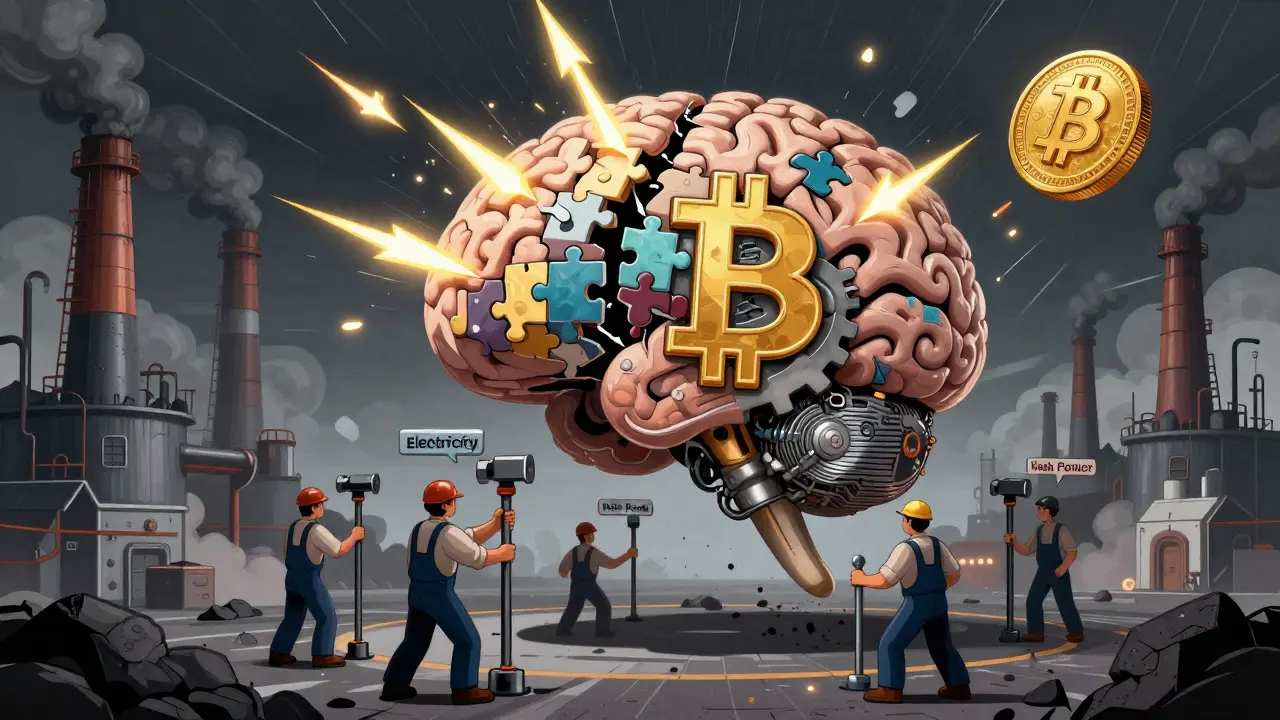
From Bitcoin's energy-heavy Proof of Work to Ethereum's green Proof of Stake and beyond, blockchain consensus algorithms have evolved to balance security, speed, and sustainability. Learn how modern systems like Avalanche, Tendermint, and Hashgraph are reshaping the future of decentralized networks.

Slashing can erase your crypto staking rewards overnight. Learn how it works, why it happens, and the real steps you need to take to protect your stake-whether you're a retail user or running your own validator.