Learn why banks freeze accounts for crypto activity in 2026, how the GENIUS Act affects your funds, and practical steps to prevent and resolve account blocks.
Learn why banks freeze accounts for crypto activity in 2026, how the GENIUS Act affects your funds, and practical steps to prevent and resolve account blocks.

Compare the hidden risks of traditional money against digital assets. We analyze inflation, volatility, and security flaws in both systems to help you decide where to store your wealth.

Central Bank Digital Currencies (CBDCs) are digital versions of national currencies issued by central banks. Unlike Bitcoin, they're stable, government-backed, and designed to replace cash in a digital world. Over 130 countries are now exploring them.
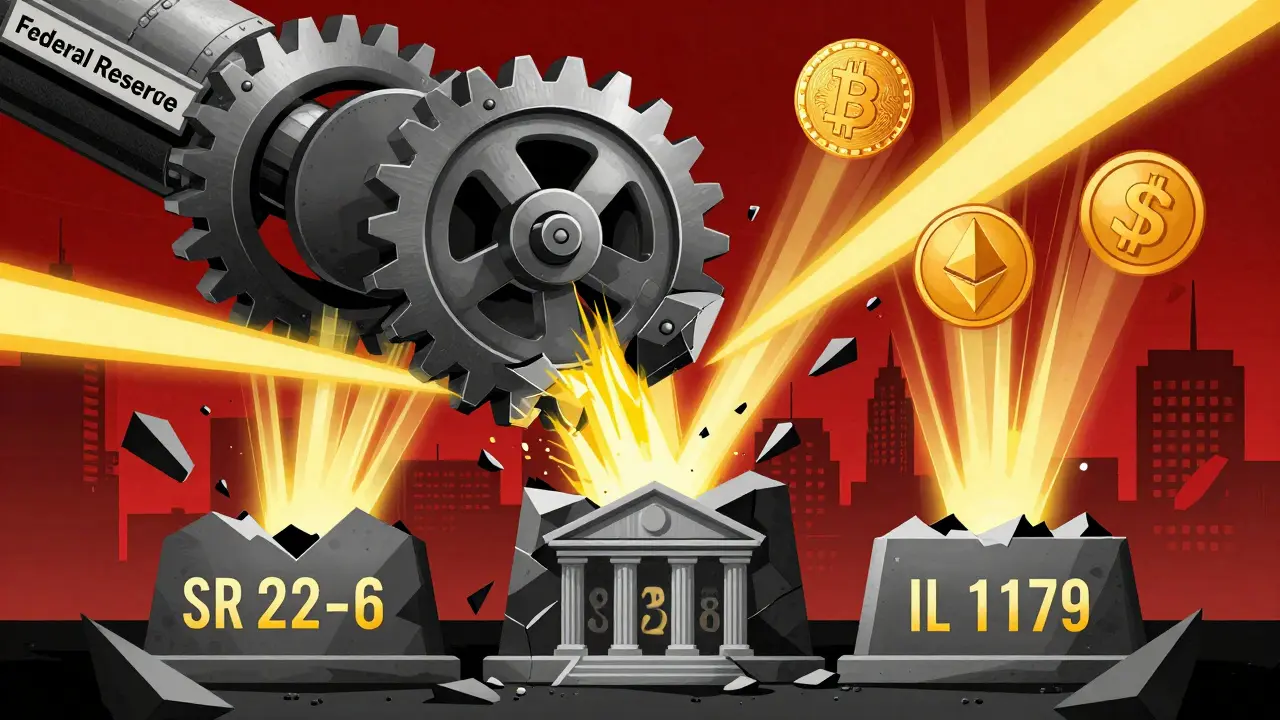
In 2025, U.S. banking regulators removed key restrictions on crypto services, allowing banks to custody Bitcoin, hold stablecoins, and run blockchain nodes without prior approval. This shift marks a major step toward mainstream adoption.

Ecuador doesn't ban cryptocurrency ownership, but it blocks banks, taxes gains, and refuses to recognize crypto as payment. Only 2.73% of the population uses it - here's why, and how people still get around it.
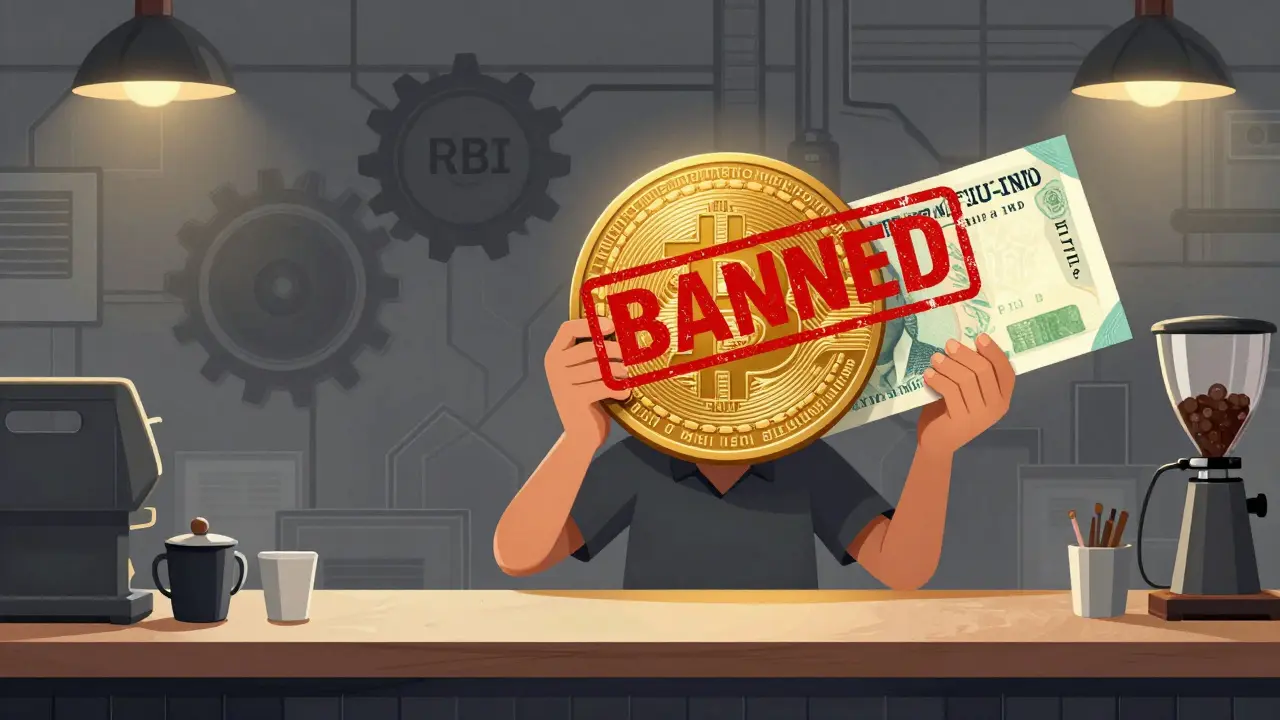
As of 2026, crypto payments are banned in India, but trading and holding crypto remains legal. Learn how taxes, regulations, and the digital rupee are shaping the future of digital assets in India.

In 2025, crypto exchanges faced record fines totaling over $6 billion as U.S. regulators cracked down on AML failures, fraud, and market manipulation. OKX paid $500 million, SEC targeted Ponzi schemes, and FINRA hit brokers-compliance is no longer optional.

Position Exchange's Times Square billboard airdrop is a scam. Learn how fraudsters fake billboard images to steal crypto, why it's impossible, and how to protect yourself from this growing threat.

Georgia allows crypto ownership and offers 0% personal taxes, but requires strict licensing for any service moving crypto. Unlicensed operators face immediate shutdowns. Know the rules before you transact.

U.S. persons holding crypto on foreign exchanges must file an FBAR if total value exceeds $10,000. Failure to file can result in $100,000 penalties. Here's what you need to know to avoid them.

Learn the latest crypto regulations under the Payment Services Act across Singapore, Japan, the EU, and the U.S. with deadlines, compliance rules, and what you must do by 2026.

Egyptian banks are legally required to monitor and block cryptocurrency transactions under strict 2025 regulations. Learn how the Central Bank and FRA enforce crypto restrictions, what triggers bank alerts, and how Egyptians still access crypto despite the ban.